Easy everything in DevOps & Cloud, page 15
Smoke Testing: Is This Build Even Worth Testing?
Smoke testing asks: 'Is this build so broken it's not even worth testing?' It's a quick, shallow check of critical functions, run on every new build before more exhaustive QA. The footgun is thinking a passed smoke test means the build is bug-free.
Integration Testing: Do Your Components Play Well Together?
Integration testing verifies that different software modules, like an API and a database, work correctly together. It's used to catch bugs in the interactions between components, such as data format mismatches. The footgun is writing slow, brittle tests.
Unit Testing: Verifying Code's Smallest Parts
Think of unit tests as checking each Lego brick for defects before building the castle. They confirm your smallest code pieces, like a single function, behave correctly in isolation.
Build Dependency Management: Your Project's Recipe
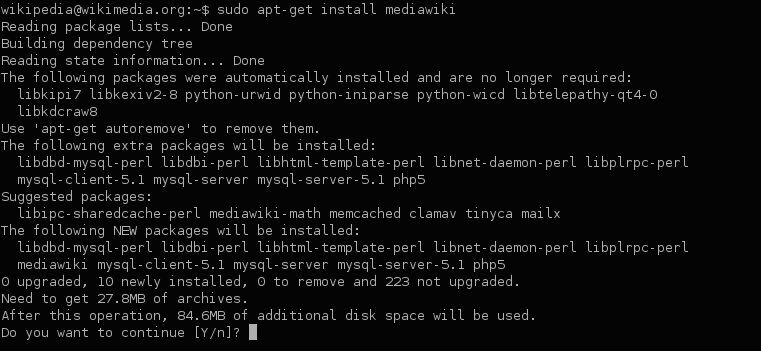
Dependency management is your project's recipe, ensuring everyone uses the same library versions. It's used everywhere from web apps pulling React via npm to Java services using Maven.
Make: The Original Task Runner
Make automates tasks by following a recipe in a makefile. It intelligently runs only the necessary steps by checking dependencies, saving time during builds. While common for compiling code, it can run any shell command.
Build Artifact: The Packaged Output of a CI Run
A build artifact is the packaged result of a CI run, like a compiled binary or a zipped web app. Pipelines use artifacts to pass this output between stages, from building to testing and deploying.
Git Branch: A Lightweight Pointer, Not a Full Copy
A Git branch is a lightweight pointer to a commit, not a heavy copy of your code. This makes creating and switching branches nearly instant. Use them to isolate new features or bug fixes. The footgun is forgetting a branch is local until you push.
.gitignore: Telling Git What to Ignore
A .gitignore file is a deny-list for your repository, telling Git which files and directories to intentionally leave untracked. Use it to keep build artifacts, log files, and local configs out of your commit history.
Git Commit: A Snapshot, Not a Diff
A Git commit is a permanent snapshot of your entire project, not just the changes. It's a save point containing the full state of all files, linked to the previous commit to form a historical chain.
Distributed Version Control (DVCS): Everyone Gets a Copy
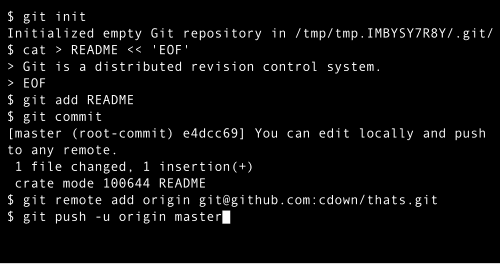
A DVCS gives every developer a full, independent copy of the repository, history and all. This is Git's model, making commits and branches instant because they're local. The footgun: your local copy isn't the team's truth until you push and pull to sync.
Automated Testing: Catch Bugs Before They Ship
Automated testing is like a robot QA engineer checking every code change instantly. It's the engine of CI/CD pipelines, running tests on every commit to give developers immediate feedback on business risks.
Build Automation: The Engine of CI/CD
Build automation is a repeatable script that turns source code into a runnable application. It's the first step in any CI/CD pipeline, compiling code and running tests. The main footgun is creating brittle scripts that only work on one developer's machine.
We are hiring for this. Every open role lists the topics its interview covers, so you can prepare for the real thing rather than guessing.
See open roles