Intermediate everything in DevOps & Cloud, page 25
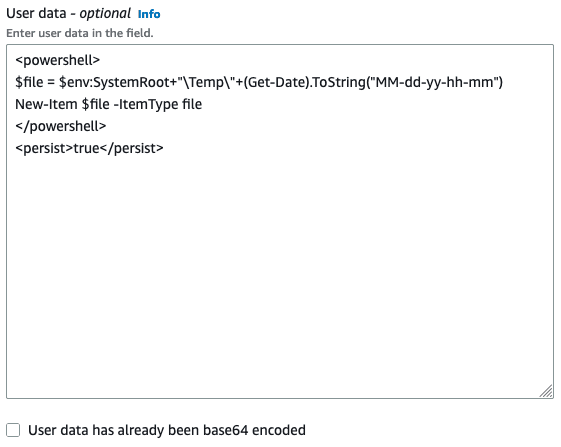
User Data Scripts: Day-One Instance Configuration
User data scripts are your instance's "Day One" instructions, automatically running commands like package installs on first boot. Use it to set up a web server or install agents without manual SSH.
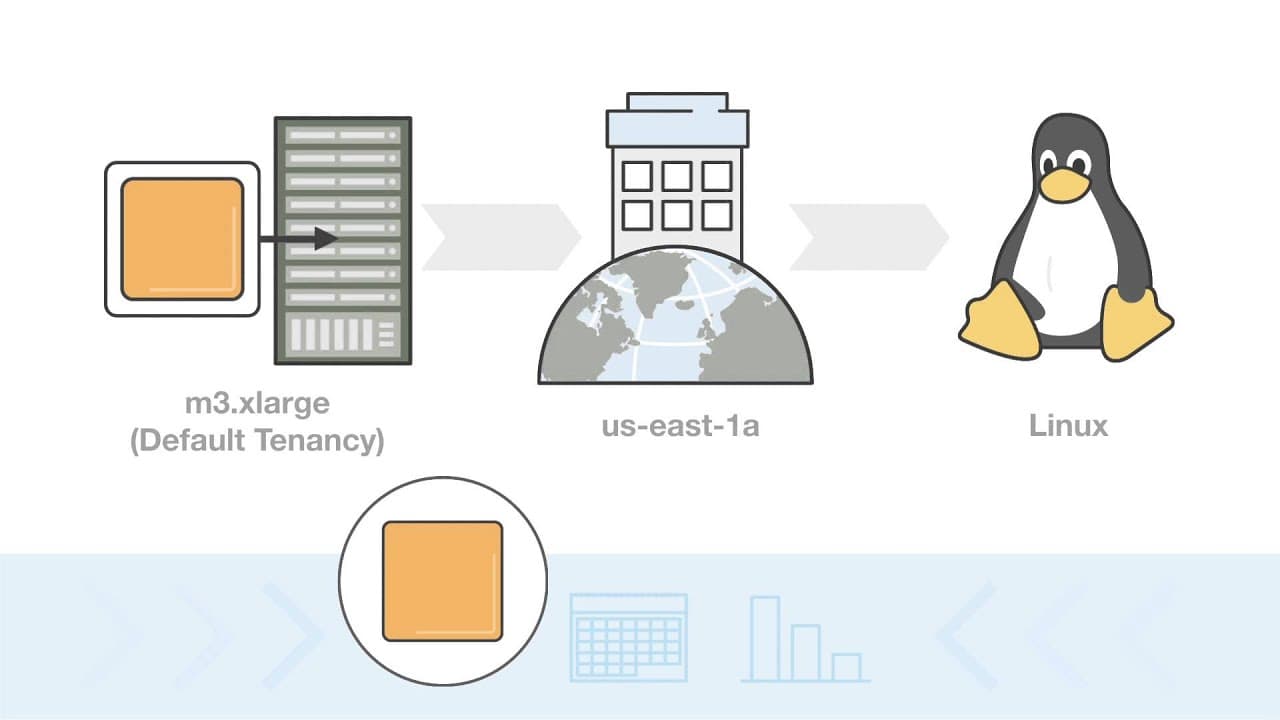
AWS Reserved Instances: Commit to Compute, Save Big
Reserved Instances are like leasing a car instead of renting daily: commit to 1-3 years of compute for a steep discount. They're ideal for predictable, steady-state workloads. The footgun is buying inflexible Standard RIs when your needs might change.

Auto Scaling Groups: Elasticity and Self-Healing
An Auto Scaling Group (ASG) is like a thermostat for your servers, automatically adding or removing instances to match demand and replacing any that fail. Use it for web apps with variable traffic or services that need to self-heal from instance failures.
Cloud Load Balancer: Your App's Traffic Cop
A cloud load balancer is a traffic cop for your servers, distributing requests across a pool of machines to prevent overload. It's essential for scaling apps and ensuring high availability.

The Cloud's Shared Responsibility Model
Using the cloud means you share security duties with the provider. The split depends on the service: in IaaS, you manage the OS and up; in PaaS, just your app and data; in SaaS, mostly your data and users.
Cloud Regions and AZs: Infrastructure Built for Failure
Think of a cloud region as a city and its availability zones (AZs) as independent power grids. If one AZ fails, your app runs in another. The footgun is deploying to a single AZ; this provides no protection against data center-level outages.
High Availability: Designing Systems That Don't Go Down
High Availability (HA) means designing systems to survive failures by having redundant components ready to take over instantly. It's essential for services like payment gateways where downtime costs money and user trust.

Cloud Scalability vs. Elasticity: Planned Growth vs. Real-Time Reaction
Think of scalability as adding lanes to a highway for long-term growth. Elasticity is opening a reversible lane only during rush hour. Scalability handles predictable demand, like a product launch; elasticity manages unpredictable spikes, like a viral post.

CapEx vs. OpEx: The Cloud's Financial Shift
Cloud computing shifts IT spending from buying assets upfront (CapEx) to paying for services as you use them (OpEx). Think buying a car vs. hailing a ride. This model lets you scale on demand, but the biggest mistake is assuming it's always cheaper.
Shift Left Security: Treat Security Like a Bug
Treat security vulnerabilities like bugs by finding them early in the development cycle, not as a final gate before release. This means running automated security scans in CI/CD pipelines and even in your IDE.
.jpeg&w=1600&q=75)
Compliance as Code: Automate Your Audits
Compliance as Code prevents last-minute audit scrambles by treating security rules as software. It automates checks in your CI/CD pipeline, turning manual spreadsheet work into a continuous, code-driven process.

Secret Sprawl: When Credentials Multiply Unchecked
Secret sprawl is when credentials like API keys multiply without control, getting lost in code, config files, and CI/CD pipelines. It's common in automated cloud systems where non-human identities proliferate.
Artifact Signing: Proving Your Code is Your Code
Artifact signing is a notary's seal for software, proving who built it and that it hasn't been tampered with. It's used in CI/CD to sign container images and binaries before publishing.
Linting: Your Automated Code Style Guide
A linter is an automated style guide for your code, catching stylistic errors like inconsistent indentation or naming. It runs in your editor or CI pipeline to enforce team conventions, keeping style debates out of code reviews.
Software Scaffolding: Building Projects from Templates
Scaffolding is like a prefabricated house foundation; it automates creating a standardized project structure from a template. Use it to bootstrap new services with consistent CI/CD, security, and observability from day one.

Developer Portals: A Self-Service Hub for APIs
A developer portal is a self-service hub for APIs, bundling docs and access controls so developers can discover and use APIs without platform team help. They're used externally for third-party developers or internally for infrastructure automation.
Argo CD: Git as the Source of Truth for Kubernetes
Argo CD makes your Git repo the single source of truth for your Kubernetes cluster's state. It constantly monitors your cluster and compares it to your desired state in Git, flagging any differences.
Configuration Hydration: From Template to Manifest
Configuration hydration turns templates like Helm charts into final Kubernetes manifests. This lets you see the exact YAML diff in a PR, not just a variable change. The footgun is that this adds a build step which, if broken, blocks all deployments.
Hotfix Deployment: Emergency Production Patches
A hotfix is a surgical strike on a production bug, using a dedicated branch to isolate the emergency fix. It's used for critical security flaws or severe defects that can't wait. The footgun: forgetting to merge the fix back into main, causing the bug to.
Docker Image Tagging: A Strategy for Reliable Deployments
Think of Docker tags as pointers, not permanent labels. Multiple tags like v1.2.3 and production can point to the same image SHA, enabling reliable CI/CD and rollbacks. The footgun is relying on mutable tags like latest in production.
We are hiring for this. Every open role lists the topics its interview covers, so you can prepare for the real thing rather than guessing.
See open roles