Advanced concepts in LLMs & Generative AI, page 2

Hierarchical AI Agents: The Org Chart for AI
Think of a corporate org chart for AI. A top-level agent breaks a big goal into smaller tasks and delegates them to specialized, lower-level agents. This is used for complex problems like automating software development. The main risk is coordination overhead.
Latent Diffusion Models (LDM)
Latent diffusion models denoise in a compressed latent space instead of raw pixels. A pretrained autoencoder shrinks the image first and expands it back after, cutting compute enough to make text to image generation practical on consumer hardware.
BLIP: Bootstrapping Better Vision-Language Models
BLIP is a pre-training framework that masters both image understanding and generation by creating its own training data. It uses a captioner and filter to generate clean image-text pairs from noisy web data.
Flamingo: Few-Shot Learning for Vision-Language Models
Flamingo is a vision-language model that learns new visual tasks from a few examples, like a child seeing a picture book before the zoo. It can tackle multiple tasks without needing massive, task-specific datasets.
Text-to-Video Generation: From Prompt to Picture Show
Text-to-video models are like a film director in a box, turning written descriptions into moving pictures. This tech, powered by video diffusion models, is used for creating short-form content or prototyping visual ideas from a simple text prompt.
BERTScore: Judging AI Text on Meaning, Not Just Words
BERTScore evaluates AI-generated text by comparing its meaning to a reference, not just matching words. It's used to score machine translation or summarization where phrasing can vary.
MMLU Benchmark
MMLU (Measuring Massive Multitask Language Understanding) is a popular benchmark for evaluating large language models. Its influence is shown by its many spin-offs, making it a foundational tool for comparing AI capabilities.
Why Elo Ratings for LLMs Can Be Misleading
Elo ranks LLMs like chess players, but models have fixed skills, not dynamic ones. This method powers leaderboards but produces volatile scores, meaning a model's rank can be an unstable estimate of its true, unchanging ability.
LLM-as-a-Judge: Using Models to Grade Models
Instead of paying humans to rate AI outputs, LLM-as-a-Judge uses a powerful 'judge' model to do it automatically. This is used to evaluate chatbot responses or summarization quality, but the main footgun is assuming the judge model is unbiased or perfectly…
HumanEval: Testing if AI-Generated Code Actually Works
HumanEval is a benchmark that tests if an LLM's generated code is functionally correct, not just syntactically valid. It's used to compare models like Codex by having them solve programming puzzles.
Constitutional AI: Teaching Models to Govern Themselves
Constitutional AI teaches a model to self-correct against a set of principles, or a 'constitution.' This automates safety alignment for models like Claude, reducing reliance on human feedback.
Instrumental Convergence: Why All AIs Might Act Alike
Even with different end goals, intelligent agents tend to pursue the same sub-goals like self-preservation and resource gathering. This is key in AI safety, explaining why a paperclip-making AI might compete with humans for resources, not from malice but…
Orthogonality Thesis: An AI's Intelligence and Goals Are Unrelated
The Orthogonality Thesis states an AI's intelligence and its ultimate goals are independent. A superintelligence could pursue any objective, from beneficial to catastrophic, with equal capability.
Speculative Decoding: A Small LLM Speeds Up a Big One
Speculative decoding uses a small, fast 'draft' LLM to guess the next few words, which a larger 'target' LLM verifies in one batch. This cuts inference latency 2-3x in production systems.
Deep Learning Compilers: From Model to Machine Code
A Deep Learning Compiler translates a model from a framework like PyTorch into optimized code for specific hardware like a GPU or TPU. This avoids manual optimization for every model-hardware pair.

vLLM: Faster LLM Inference with PagedAttention
vLLM is a serving engine that speeds up LLM inference by treating GPU memory like virtual memory. It's used to serve models with higher throughput by batching requests without wasting memory on padding.
AWS Inferentia and Annapurna Labs
AWS Inferentia is an AWS chip product line. Annapurna Labs, Amazon's semiconductor division acquired in 2015, builds Nitro, Graviton, and Trainium and ranks among TSMC's top five fabless customers. Do not assume Annapurna designs every AWS accelerator.
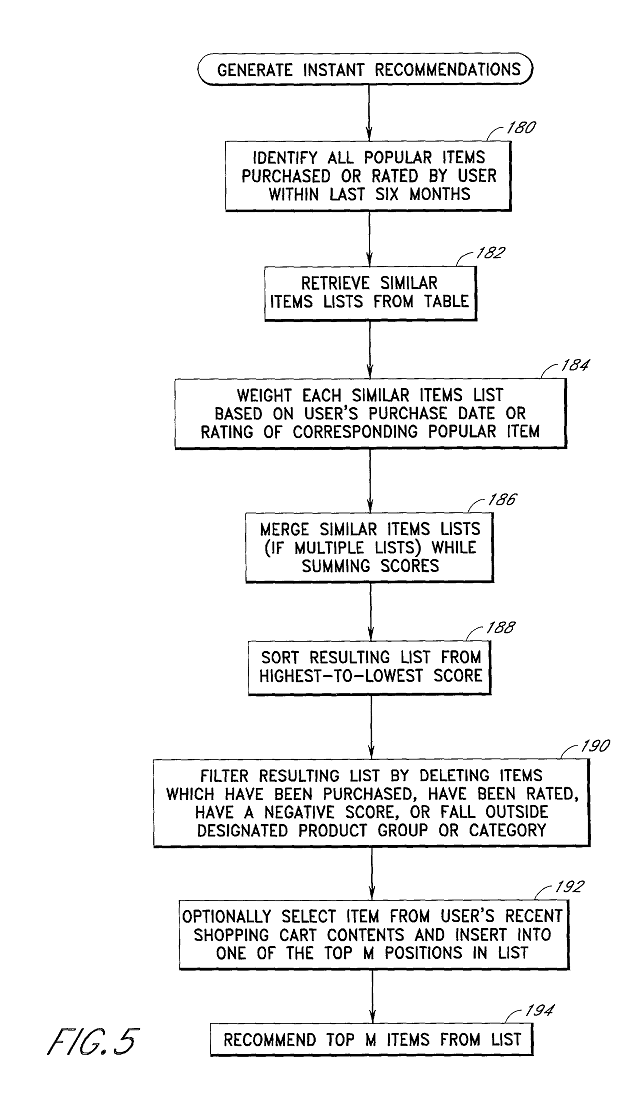
Bias Mitigation Algorithms: Correcting Unfair AI
Bias mitigation algorithms steer AI toward a defined standard of fairness. They're used in high-stakes systems like hiring or loan approvals to counteract harmful, systemic tendencies learned from biased data.
AI Auditing: The OWASP LLM Top 10 Checklist
Think of an AI audit like a building inspection for your LLM app, checking for structural weaknesses. It uses frameworks like the OWASP Top 10 to find risks like prompt injection and data leakage.
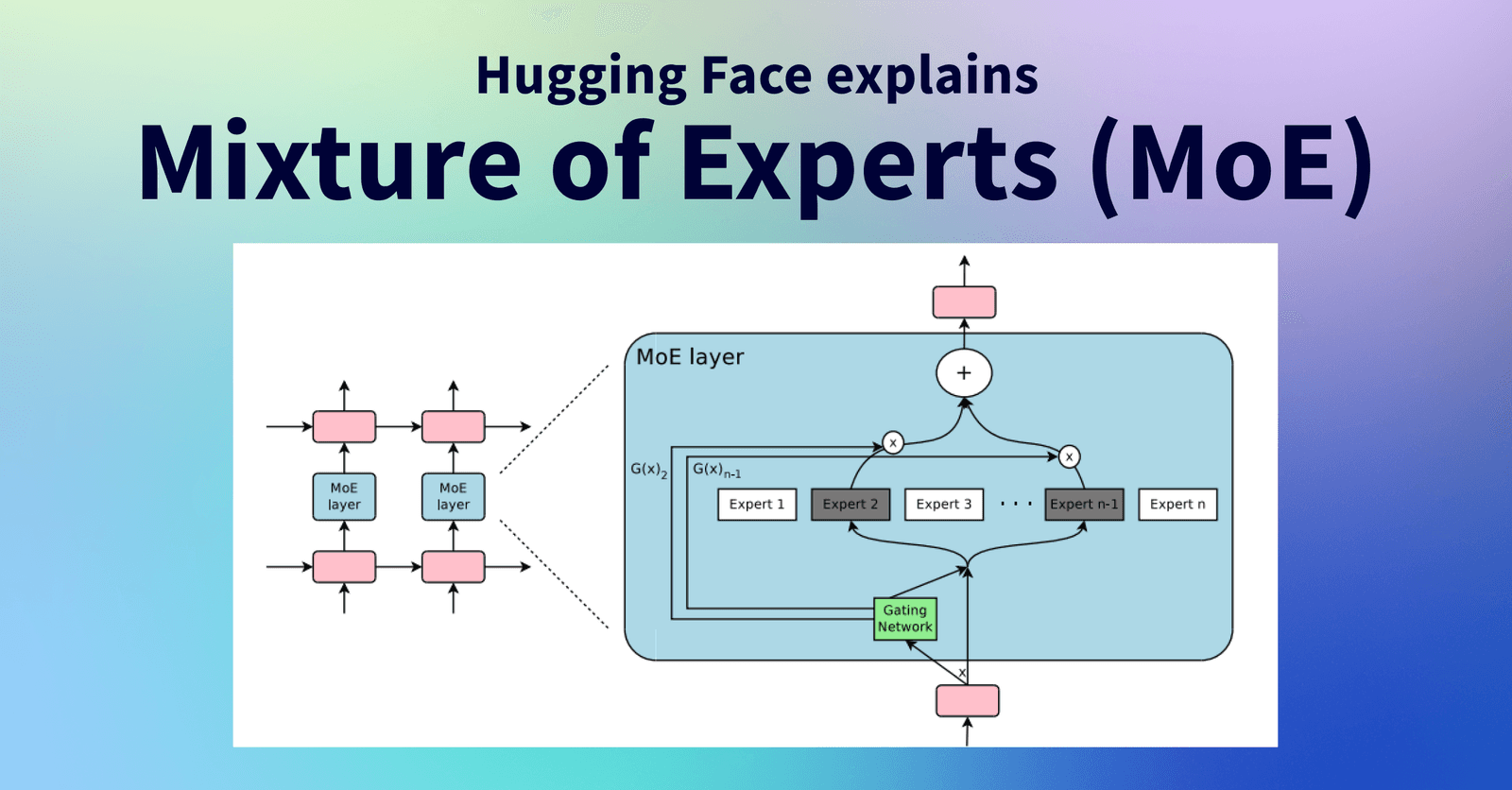
Mixture of Experts: Scaling Models by Activating Specialists
A Mixture of Experts (MoE) model acts like a team of specialists instead of one generalist. A router sends each token to a few expert sub-networks, enabling faster training and inference for massive models.
We are hiring for this. Every open role lists the topics its interview covers, so you can prepare for the real thing rather than guessing.
See open roles