Concepts in Mobile Dev, page 25
Pigeon: Type-Safe Platform Channels in Flutter
Pigeon acts like a contract for your app's native code, generating type-safe platform channels from a single definition. This replaces manual, error-prone MethodChannel code. The footgun: Swift types default to structs; use @SwiftClass for class features.

Android App Startup: From Cold to Hot
App startup has three types: cold, warm, and hot. Optimization focuses on the cold start—when the app launches from scratch. This is critical for user retention, as slow launches are a common reason for uninstalls. The footgun: don't just test warm starts.
Archiving an iOS App for Distribution
Archiving an app bundles your code and assets into a distributable package. It's the final step before sending your app to beta testers on TestFlight or submitting it to the App Store.
Dart FFI: Calling C Code from Dart
Dart FFI is a bridge to the C world, letting you call native C libraries directly from Dart. Use it to access OS APIs or high-performance C/C++ code. The footgun: you must manually manage native memory, risking crashes or leaks if you forget to free.

Android Keystore System
The Android Keystore System stores cryptographic keys in hardware backed secure storage instead of app memory or disk. Apps can use the keys to sign or encrypt data, but the raw key material never leaves the secure environment, even on a rooted device.
App Store Reviews: Your Public Support Channel
Treat App Store reviews as public conversations, not just support tickets. Responding lets you fix your app's narrative, help users with issues, and show potential customers you're engaged. The footgun is writing an emotional or defensive reply.
Flutter Add-to-App: Embedding Flutter in Native Apps
Think of Add-to-App as embedding the Flutter engine inside your existing native app, like a super-powered web view. It's for incrementally migrating a large Android or iOS codebase to Flutter without a full rewrite.
EncryptedSharedPreferences: Secure Key-Value Storage on Android
EncryptedSharedPreferences is a drop-in replacement for SharedPreferences that automatically encrypts keys and values, protecting sensitive data at rest. Use it to store small, sensitive data like API tokens. The main footgun is mismanaging the master key.
KeyboardAvoidingView: Keep Inputs Visible When Keyboard Appears
KeyboardAvoidingView prevents the on-screen keyboard from hiding your inputs. It's a wrapper that shrinks, slides, or pads its content to keep it in view. Use it for login forms or chat windows. The behavior prop acts differently on iOS vs. Android.
TestFlight: Apple's Beta Testing Framework
TestFlight is your private App Store for beta builds. Use it to distribute pre-release versions to internal teams and external testers for feedback before a public launch. The footgun: external tester builds require a beta App Review, unlike internal builds.
BasicMessageChannel: A Coded Pipe to Native
A BasicMessageChannel is a raw data pipe between Dart and native code that uses a "codec" to translate objects into binary. Use it for streaming data or custom types not handled by MethodChannel. The footgun is a codec mismatch, which causes runtime crashes.
Android Biometric Authentication: The BiometricPrompt API
Android's BiometricPrompt is a unified API for fingerprint, face, or iris scans, replacing older, fragmented methods. Use it to authorize payments or unlock features. The footgun: never assume a specific biometric type is available; always have a fallback.
The React Native Gesture Handler State Machine
Think of a gesture handler as a state machine with six states. This lets you react to specific moments in a gesture's lifecycle—like BEGAN or ACTIVE—not just a single event. The footgun: ignoring the CANCELLED state, which can leave your UI broken.
Navigating Apple's App Store Submission and Review
Think of App Store submission as a strict gatekeeping process, not just an upload. You must prove your app is safe, reliable, and transparent via App Store Connect.
Background Execution and Services in Flutter
Think of background execution as a helper doing heavy lifting off-screen. It keeps your app's UI smooth by running tasks like data processing on a separate thread (Isolate). The footgun is that isolates don't share memory; you must pass data explicitly.
Android Baseline Profiles: Pre-compiling for Speed
A Baseline Profile is a cheat sheet for the Android runtime, telling it which code to pre-compile for faster performance. This speeds up app startup and reduces UI jank in critical flows.

Bottom Tab Navigator: Core Mobile Navigation
A Bottom Tab Navigator is the classic mobile UI for switching between top-level app sections. It lazily loads screens, mounting them only when first focused to save memory. Use it for primary navigation.
Phased Release: De-Risking App Updates
A phased release is like slowly opening a floodgate for your app update. It rolls out to a small percentage of users first, letting you monitor for crashes before it reaches everyone and limiting the blast radius of a bad bug.
Unit Testing in Dart: Verify Your Logic in Isolation
A unit test is a microscope for your code. It checks a single function or class in isolation, ensuring it behaves correctly without worrying about the UI or network. Use it for business logic, not for testing rendered widgets or API calls.
Perfetto: See Your Whole System on One Timeline
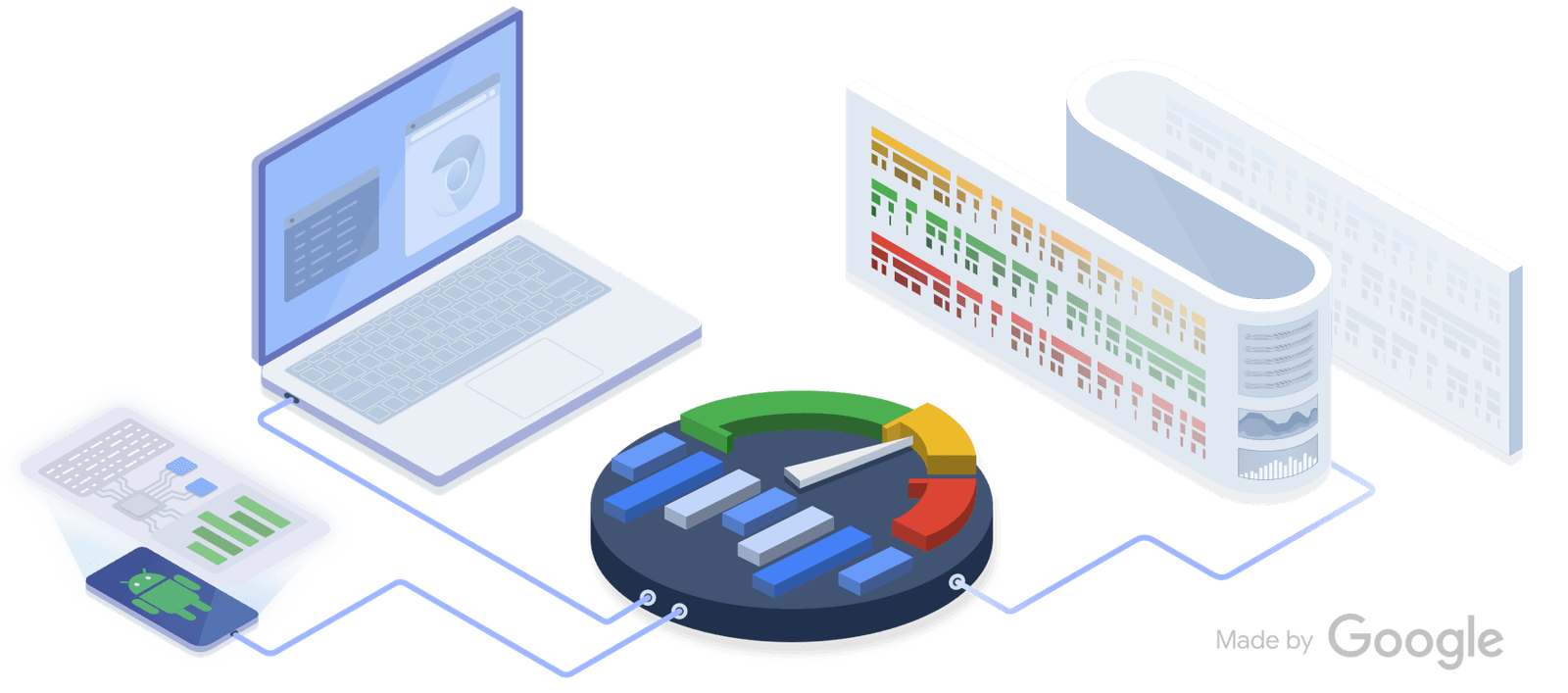
Perfetto is a flight recorder for your system, capturing kernel and app events on a single timeline. Use it to diagnose complex issues like jank by correlating app behavior with system activity.
We are hiring for this. Every open role lists the topics its interview covers, so you can prepare for the real thing rather than guessing.
See open roles