Easy concepts in Monitoring & SRE, page 2

Release Candidate: The Final Dress Rehearsal
A Release Candidate (RC) is the final dress rehearsal before a software launch—a version believed to be stable enough to ship. It's used for final validation to catch show-stopping bugs.
Load Testing: Simulating Real-World User Traffic
Load testing answers 'Can our system handle expected traffic?' by simulating many users at once. Use it before a big launch to find bottlenecks. The footgun is confusing it with stress testing, which pushes a system past its limits to see how it breaks.
Stress Testing: Finding Your System's Breaking Point
Stress testing finds a system's breaking point by pushing it beyond normal limits. It's used for mission-critical software to test robustness and availability under extreme load, not just normal function.
Benchmarking: Know Your System's Limits
Benchmarking finds your system's limits by measuring its responsiveness and stability under a controlled workload. Use it to catch performance regressions, compare tech choices, or for capacity planning. The footgun: trusting benchmarks run on your laptop.
Non-Functional Requirements: How a System Should Be, Not Just What It Does
Non-Functional Requirements (NFRs) define *how well* a system performs its tasks, not *what* tasks it performs. They're the adjectives (fast, secure, reliable) for a system's verbs.
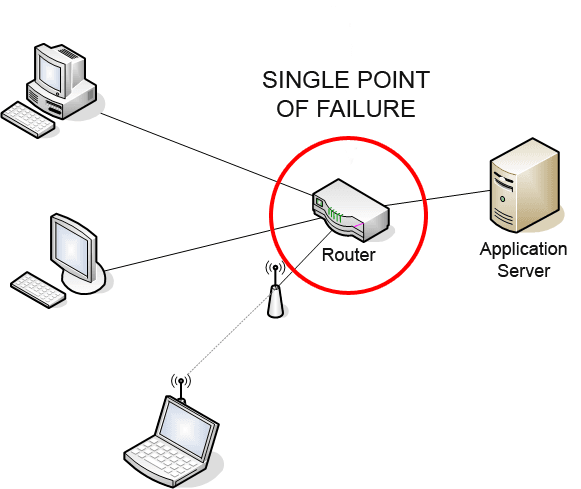
Single Point of Failure: Your System's Achilles' Heel
A single point of failure (SPOF) is your system's Achilles' heel—one component whose failure causes a total outage. This is critical in high-availability design, like ensuring a website survives a server crash. The footgun is missing implicit SPOFs.
Horizontal Scaling: Add More Machines, Not Bigger Ones
Horizontal scaling (scaling out) means handling more load by adding more machines to your resource pool, not upgrading a single one. It’s used for web servers behind a load balancer. The footgun is that your app must be stateless to avoid losing user data.
Chaos Engineering: Finding Weaknesses Before They Find You
Chaos Engineering intentionally breaks parts of your system to find weaknesses before they cause real outages. It's used to test resilience against events like server crashes or network failures.
Steady State Hypothesis: The Core of Chaos Engineering
The steady state hypothesis is the core of chaos engineering: you bet your system's key metrics won't change when you break something. It's used to test resilience by defining "normal" (e.g., latency <200ms) and then trying to disrupt it with faults.
The SRE Mandate: Breaking the Dev vs. Ops Cycle
SRE breaks the classic conflict between developers who want to ship fast and operations teams who want stability. It treats operations as a software problem, not a human one. The footgun is creating a rebranded sysadmin team that still does manual work.
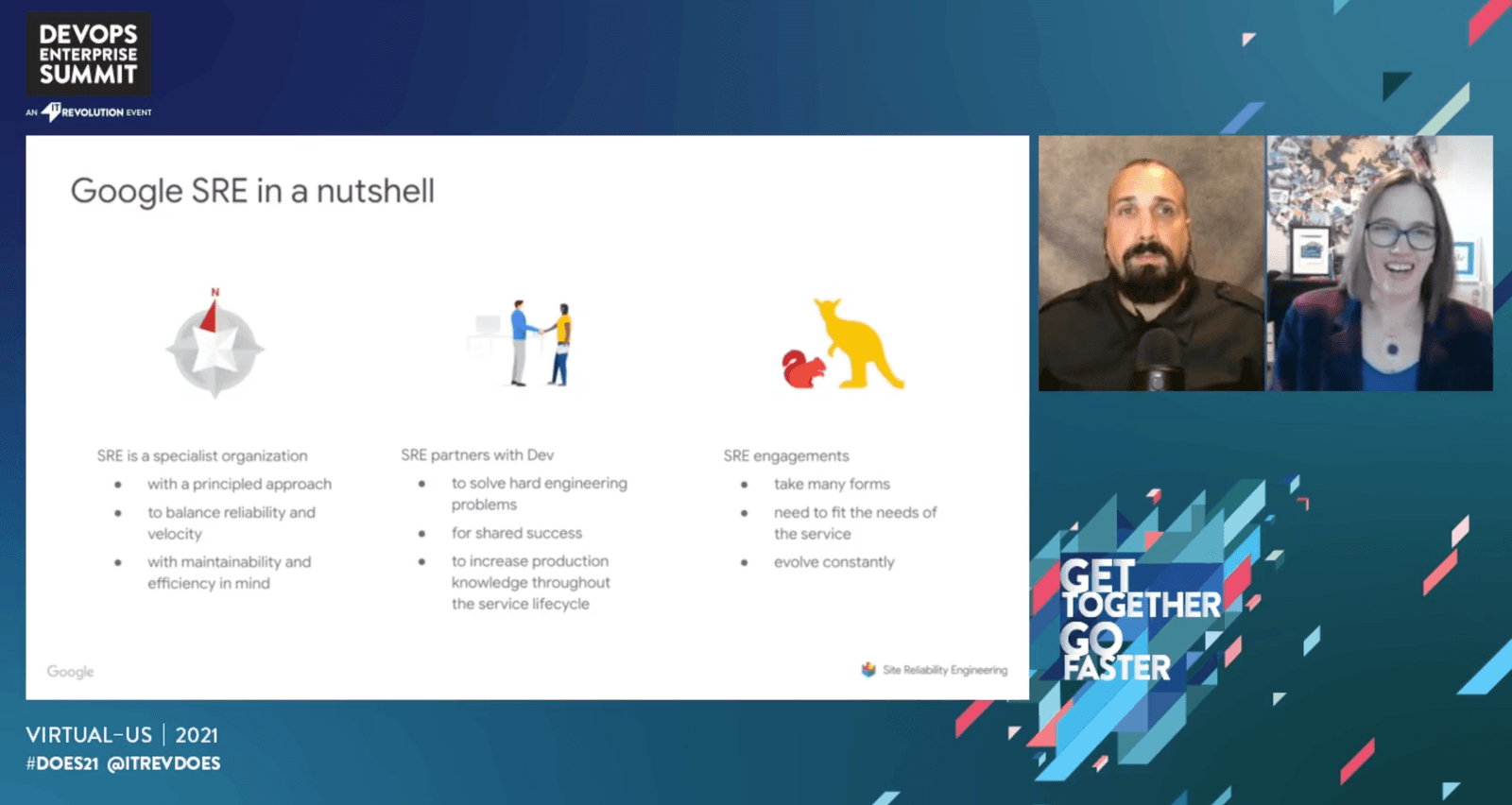
SRE Office Hours: Scaling Expertise Through Consultation
SRE Office Hours are a scheduled time for development teams to get expert advice from SREs, scaling reliability knowledge without embedding them everywhere. Use them to review designs or define SLOs. The footgun is treating them as on-call support.
We are hiring for this. Every open role lists the topics its interview covers, so you can prepare for the real thing rather than guessing.
See open roles