Intermediate everything in Product Management, page 11

Design a variable daily-login reward system with anti-gaming controls
Tests server-side reward probabilities and idempotency in distributed systems. Strong answers cover: configurable weights, idempotent tokens with DB unique constraints, rolling windows, and server-side grants.
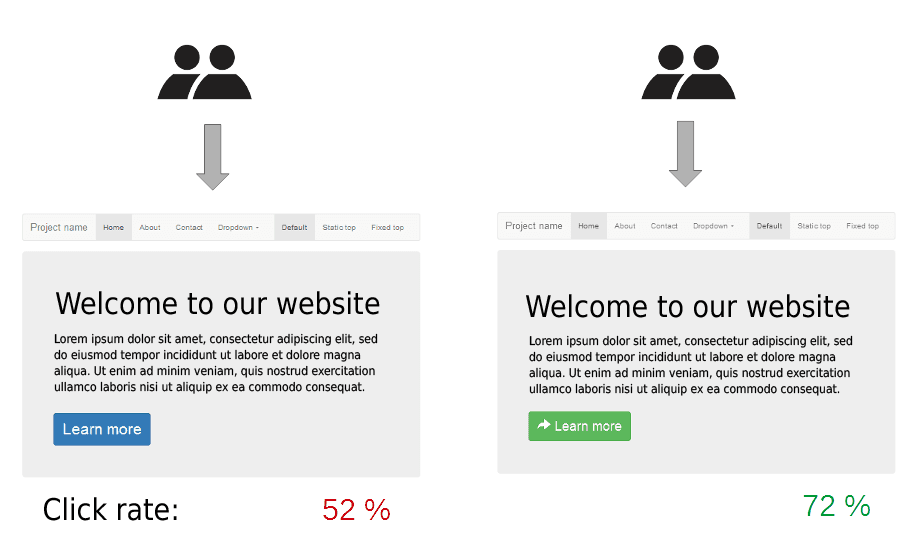
Design an A/B test for loss aversion versus gain framing at checkout
Tests whether you can isolate framing effects from checkout confounders. Strong answers detail user-level randomization, event logging, and guardrail metrics like revenue per visitor. Red flag: a conversion-only analysis with no unit of diversion defined.
Explain user identity stitching across devices and SDK roles
Tests event-level identity resolution. A strong answer covers anonymousId per device, the identify call binding anonymous events to userId, and backend merge handling out-of-order events. Red flag: claiming cookies alone stitch mobile and web.

What causes client order_completed events to diverge from backend records?
Tests end-to-end event reliability. Separate client failures (network, ad blockers, duplicates) from backend gaps (idempotency, validation, races) and propose timestamped join analysis. Red flag: blaming users or fixing before measuring gap direction.

How do you instrument client and server to debug payment drop-offs?
Tests designing telemetry that distinguishes intent from errors across the stack. Strong answers use visibility pings for abandonment, validation events for client errors, and gateway status codes for backend failures.

Propose a strategy to enforce a consistent analytics event schema
Schema registry with CI validation, typed SDK wrappers blocking bad builds, plus ingestion-time rejection.

Describe the SQL and data model for weekly cohort retention
Join users and activity, compute week offset per user, group by cohort and offset for retention.
How would you structure an event schema for funnel and cohort analysis?
This tests analytical event modeling. Use an immutable log with one row per event; attach context user_id, session_id, campaign; use a wide atomic table plus extensible contexts for funnel and cohort queries without joins.

How do you design allocation logic to minimize concurrent A/B test interactions?
Compare mutual exclusion with layered randomization via layers and reservations; stress isolation vs throughput.

Describe RICE scoring and architect data pipelines for Reach and Effort
Define RICE; automate Reach via event streams with time windows; automate Effort from PM tool estimates with calibration.
Embedded Growth Teams: Experimentation as a Squad Muscle
Growth talent embedded in product squads spreads experimentation beyond a central team. It fits multi-surface products needing data-driven culture. The footgun is letting embedded specialists become sole experimenters while squad PMs and engineers disengage.
Log Exposure, Not Just Assignment
Exposure logging records when a user actually sees a variant, not just assignment. Counting assigned but unexposed users dilutes treatment effects and biases lift. The common footgun is logging assignment as exposure, which silently underpowers your test.
Revenue Recognition in Growth Experiments
Revenue is earned as you deliver value, not when cash arrives. In growth experiments, booking an annual prepayment as immediate revenue makes a pricing test look like a massive win. Teams often confuse bookings with revenue and credit experiments incorrectly.
Revenue Churn: Dollars Lost, Not Logos
Revenue churn tracks dollars lost from your existing base, not just headcount. In subscriptions, one enterprise downgrade can dwarf ten small cancellations. Teams often celebrate low logo churn while ignoring revenue churn that silently erodes growth.
Golden Path: The One Journey That Matters
Golden Path is the single user journey that drives core value. In growth, you optimize this highway before fixing side roads. The footgun is A/B testing edge cases while your main funnel leaks users.
Bayesian vs. Frequentist A/B Testing
Frequentist testing asks how surprising a result is if nothing changed; Bayesian asks probability B is better. Frequentist fixes sample size to control false positives, while Bayesian lets you peek.
Framing Effect: Presentation Rewires Decisions
The same fact hits differently depending on its wrapper. In growth, framing decides whether users see "90% uptime" or "10% downtime," swinging conversions without changing the product. Teams obsess over the offer yet ship copy that frames value as a loss.
Commitment and Consistency: The Identity Ratchet
People follow through on what they already said yes to. Use it to turn a tiny user action into sustained engagement, or to get a team to ship by making a public deadline. A coerced yes creates resentment, not consistency.
Scarcity Principle: Limit Availability to Drive Action
People want what they might lose. In growth, scarcity amplifies conversion by framing offers as limited in time, quantity, or access. The footgun is fake scarcity: invented limits destroy trust and backfire permanently.
Sessionization: Bounding Events into Visits
Sessionization groups raw user events into visits using idle timeouts. Teams use it to measure engagement and attribute conversions per sitting. The footgun is treating sessions as users, which inflates counts and wrecks retention analysis.
We are hiring for this. Every open role lists the topics its interview covers, so you can prepare for the real thing rather than guessing.
See open roles