Advanced interview questions in Python & FastAPI, page 2
SQLAlchemy connection pooling across Uvicorn workers
Each worker has its own pool; total DB connections equal workers times (pool_size plus max_overflow); overflow connections are temporary; misconfiguration exhausts DB…
Revoking stateless JWTs on logout
A server-side denylist of revoked token IDs checked per request, or short-lived access tokens paired with revocable refresh tokens.
What JWT claims must you validate beyond the signature?
This tests whether you understand token misuse beyond crypto: time validity, audience and issuer binding, algorithm whitelisting, and required claims enforcement. Red flag: only checking signature and ignoring exp or aud.
Why is FastAPI BackgroundTasks poor for multi-minute PDF generation?
Tests whether you know BackgroundTasks is same-process and for seconds, not minutes. Answer: propose a task queue with broker, workers, and result backend; return HTTP 202 with a job ID. Red flag: suggesting FastAPI workers instead of persistence and retries.
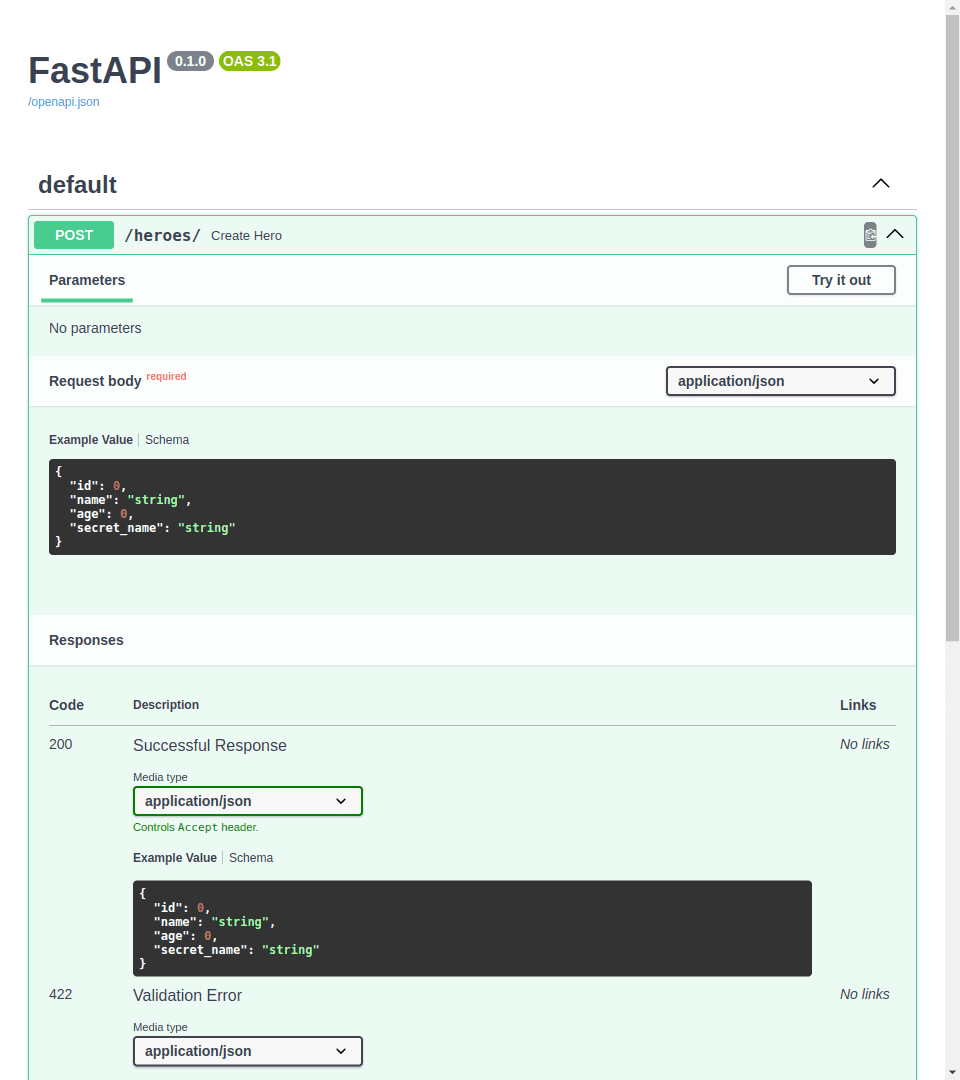
Design DB transaction middleware and identify the background-task pitfall
Tests request-scoped DB lifecycle awareness. Strong answer: middleware closes the session on response, yet BackgroundTasks run afterward, so sharing that session causes crashes or leaks. Red flag: saying background tasks can reuse the request transaction.
How do you test FastAPI background tasks are enqueued correctly?
This tests mocking framework hooks without firing side effects. A great answer: mock BackgroundTasks or override its dependency, assert add_task got the right function and payload, and test the sender separately.
How do you test a FastAPI WebSocket endpoint and lifecycle with pytest?
Tests knowledge of FastAPI TestClient usage for async WebSocket lifecycles. Use a with statement for websocket_connect; assert send, receive_json, and close; tests use standard def because TestClient handles the async app.
How do router-level and app-level dependencies affect dependency override testing?
This tests FastAPI dependency hierarchy and test isolation. A strong answer states overrides are global to the app, so router-specific deps need scoped fixtures to prevent cross-test leaks. A red flag is claiming APIRouter has its own override registry.
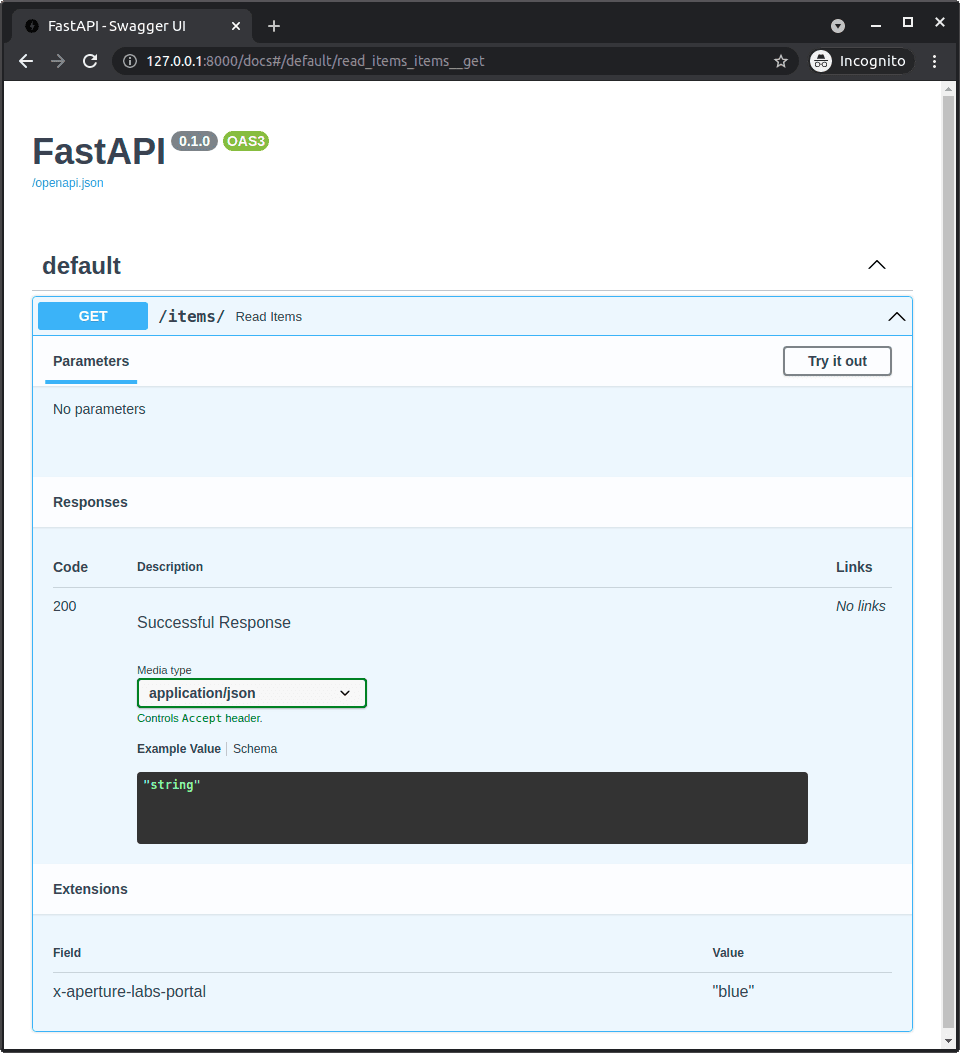
Add a custom x- field to a FastAPI path operation schema
Tests knowledge of FastAPI's built-in OpenAPI extension hook. Answer: cite the path operation decorator's extra-schema dict (OpenAPI Extra) to merge x-internal-id directly. Red flag: proposing manual JSON editing or schema post-processing.
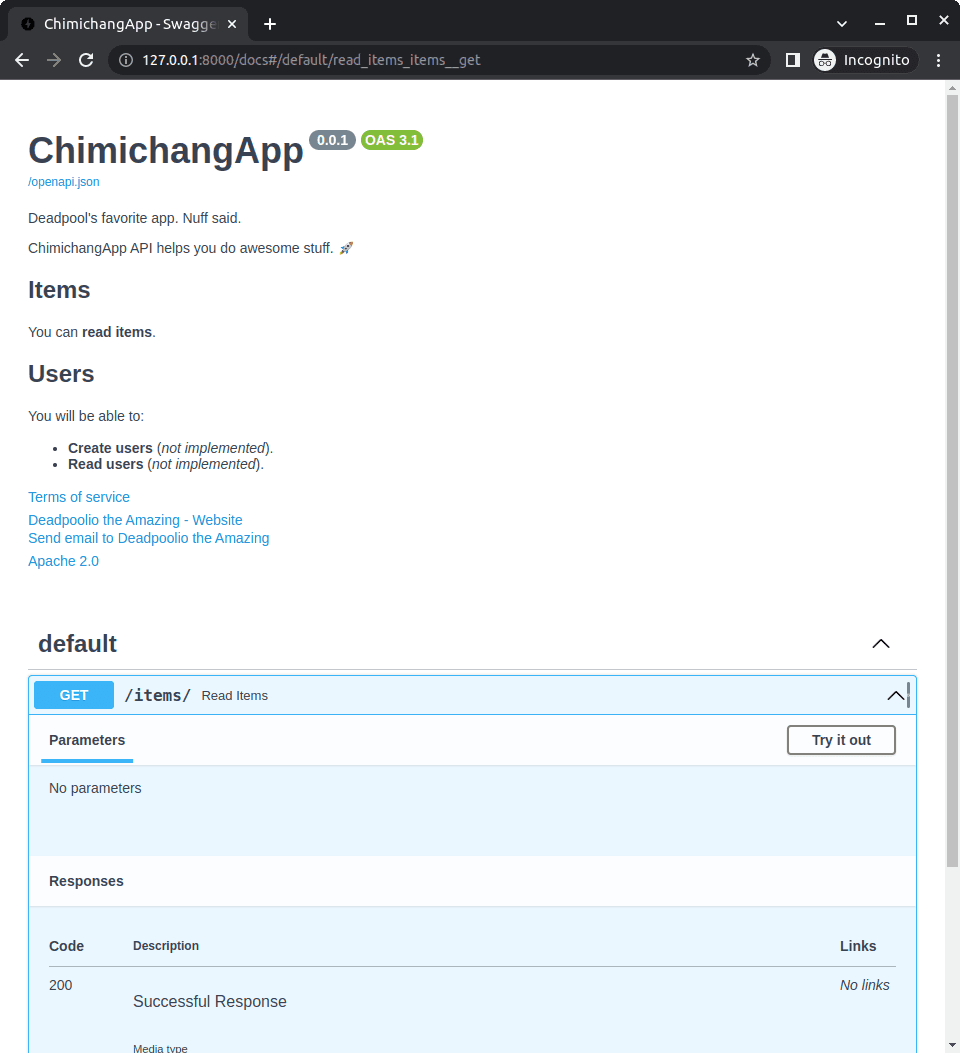
How do you disable FastAPI docs but keep the OpenAPI schema?
Tests FastAPI constructor routing: docs_url, redoc_url, and openapi_url. Answer: pass docs_url=None and redoc_url=None while keeping openapi_url="/openapi.json", gated by env var. Red flag: middleware or manual route deletion instead of native configuration.
How do you directly modify FastAPI's generated OpenAPI dictionary?
Tests deep FastAPI lifecycle knowledge. Override app.openapi: save the original, call it to get the dict, mutate it, cache on app.openapi_schema, and return. Red flag: rewriting /openapi.json in middleware or touching the schema cache directly.
How do you broadcast WebSocket messages to all clients across server nodes?
Tests WebSocket horizontal scaling and pub/sub backplanes. A strong answer names a broker like Redis, describes cross-node fan-out, and keeps connection state purely local.
How do you handle slow startup without blocking the FastAPI event loop?
It tests FastAPI lifespan events and event loop hygiene. Use an async lifespan to offload blocking model loading to a thread pool, track readiness with a global flag, and return 503 for early requests. Never block the event loop in startup handlers.
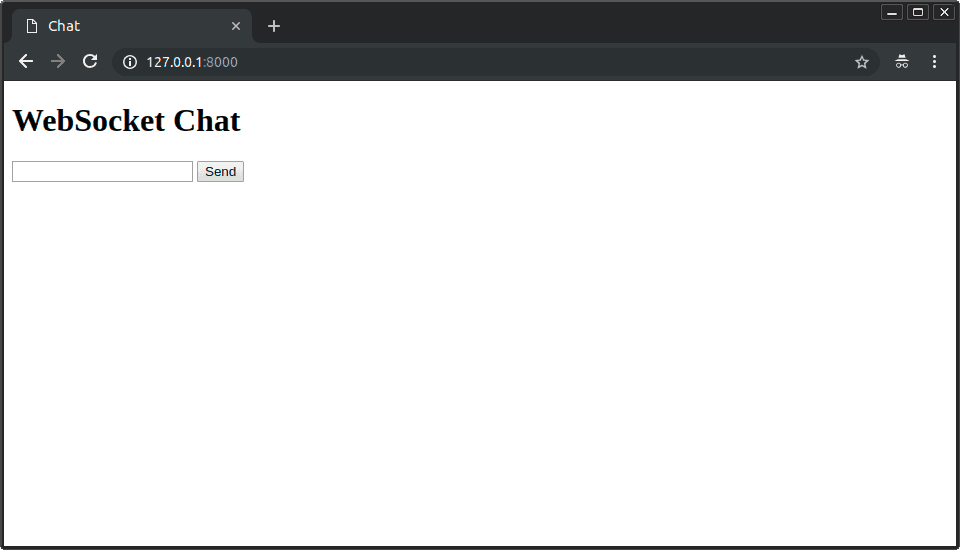
How do you inspect WebSocket close codes in FastAPI?
Tests WebSocket lifecycle handling in FastAPI. Strong answers catch the disconnect exception, read its code attribute, and log 1000 for normal closures versus 1001/1006 for crashes.
Diagnosing a slow FastAPI endpoint under load
Add timing and tracing to isolate the slow span, watch CPU vs wait time and event-loop lag, then use profilers like py-spy or cProfile and DB EXPLAIN.
Limits of BackgroundTasks vs Celery or ARQ
BackgroundTasks run in the same worker with no persistence, retries, or visibility, and die with the process; Celery or ARQ add durability, retries, scheduling, and separate workers.
Zero-downtime blue-green deploys on Kubernetes
Run blue and green deployments, switch a Service or ingress selector to the new color after readiness probes pass, drain old pods gracefully, and handle backward-compatible DB migrations.
We are hiring for this. Every open role lists the topics its interview covers, so you can prepare for the real thing rather than guessing.
See open roles