Easy everything in Python & FastAPI, page 2
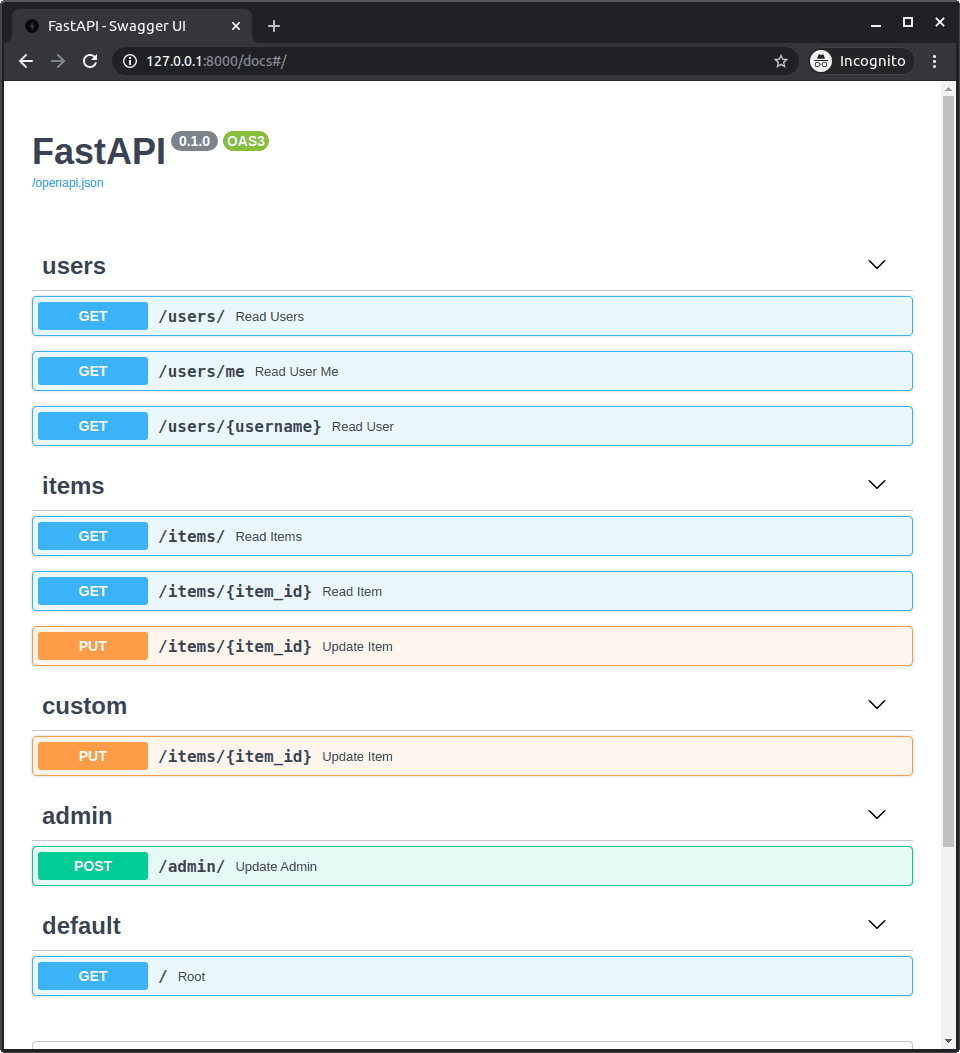
Describe a common FastAPI project structure and key directories
Main module holds the FastAPI app; domain files (users, items) expose APIRouters; dependencies in their own module; pyproject.toml as entrypoint.
What is APIRouter in FastAPI and why use it?
It tests your grasp of modular architecture in FastAPI. APIRouter splits routes into separate modules so you include them in the main app with prefixes, tags, and dependencies.
How do you apply a dependency to an APIRouter without per-endpoint signatures?
Pass Depends() to APIRouter dependencies parameter; runs before every route in that router and shows in docs.
What is the purpose of yield in a dependency function?
Tests teardown logic in FastAPI dependencies. Yield splits setup from cleanup: code before yield runs pre-request, after yield runs post-response to close resources like DB sessions. Red flag: confusing it with return or thinking yield is only for generators.
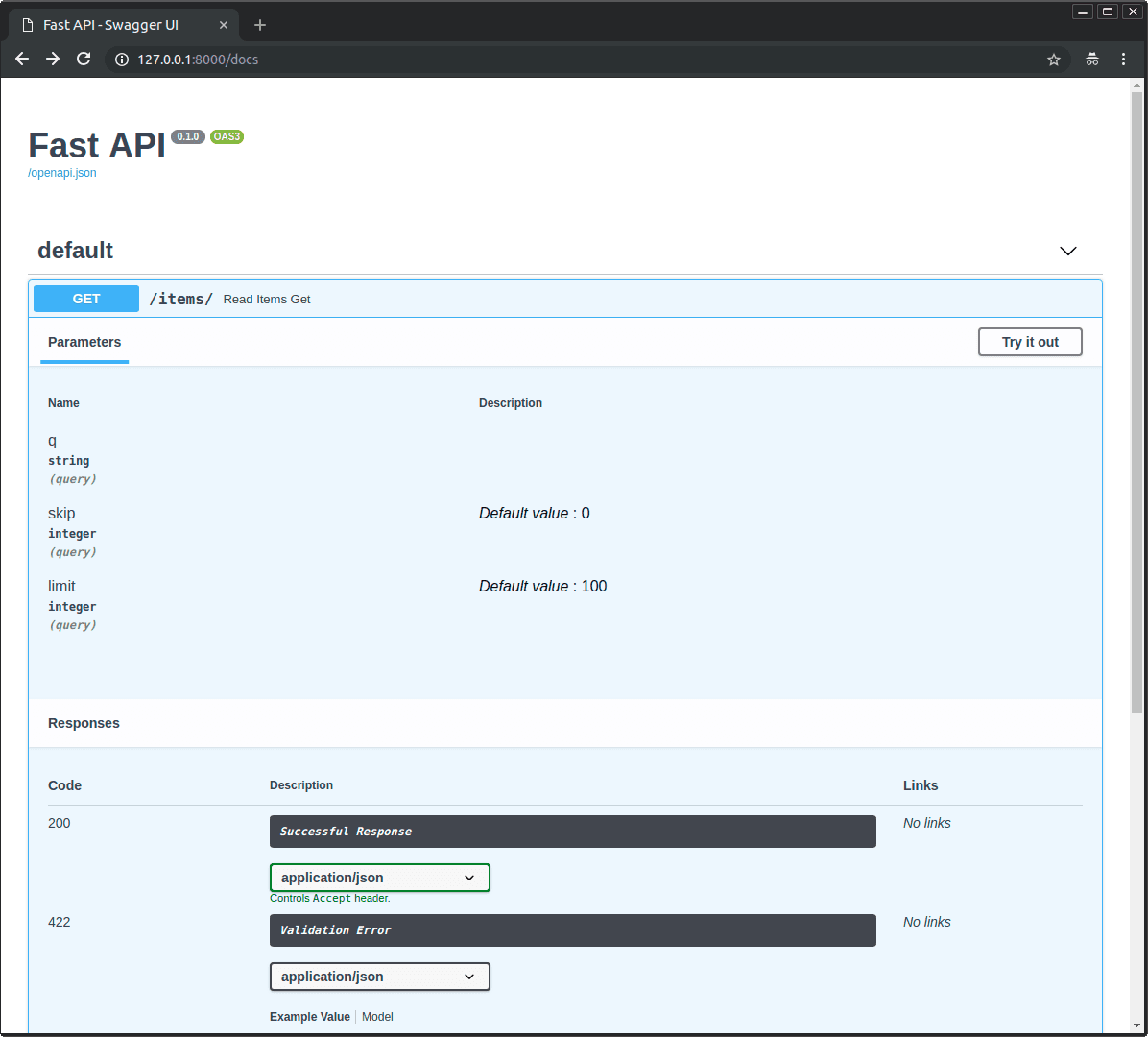
How do you declare a function as a dependency, and why?
Tests FastAPI dependency injection basics. Answer: create a function, import Depends, and add it to path operation parameters so FastAPI injects it. Purpose: routes declare what they need instead of hard-coding shared logic.
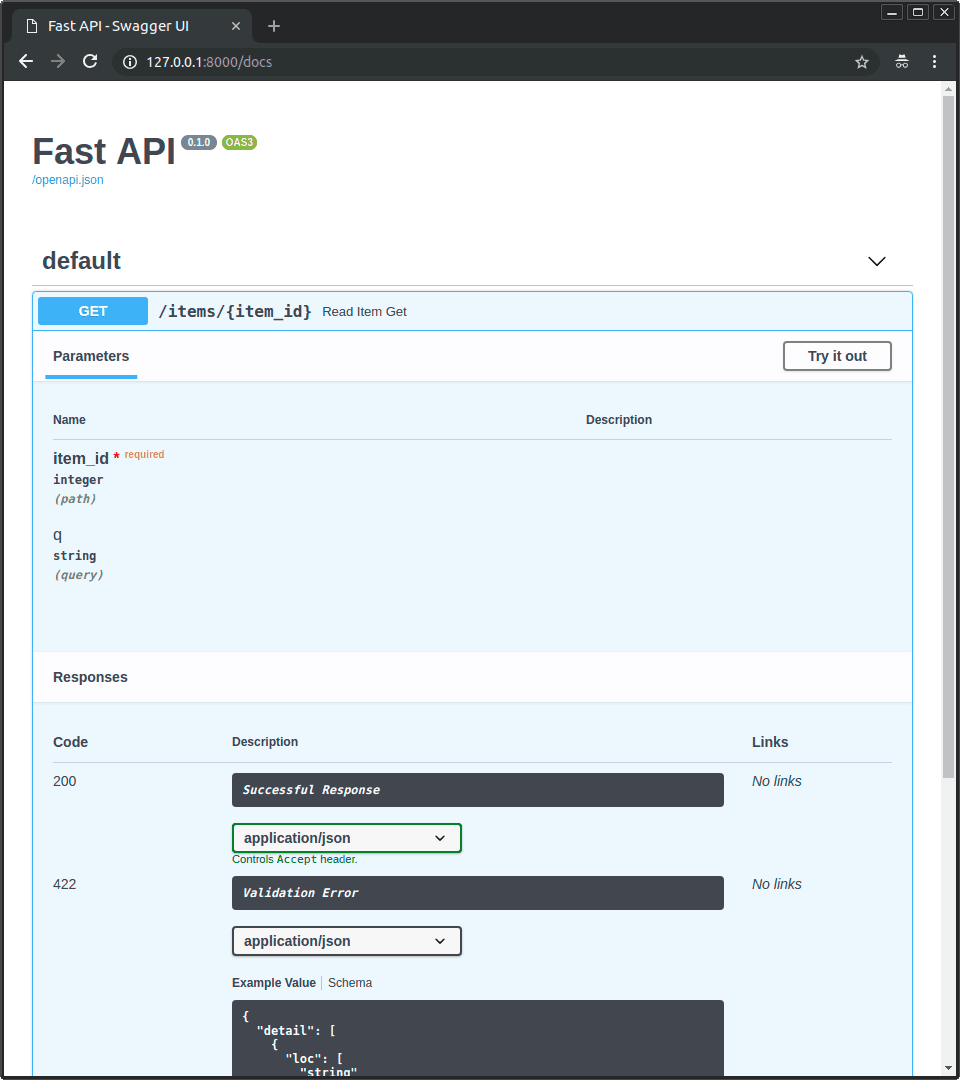
Define a FastAPI endpoint with path and query parameters
Tests if you know FastAPI infers parameter location from the route string. Good answer: route with {item_id}, signature item_id: int, q: str | None = None, noting any param not in the path becomes a query param.
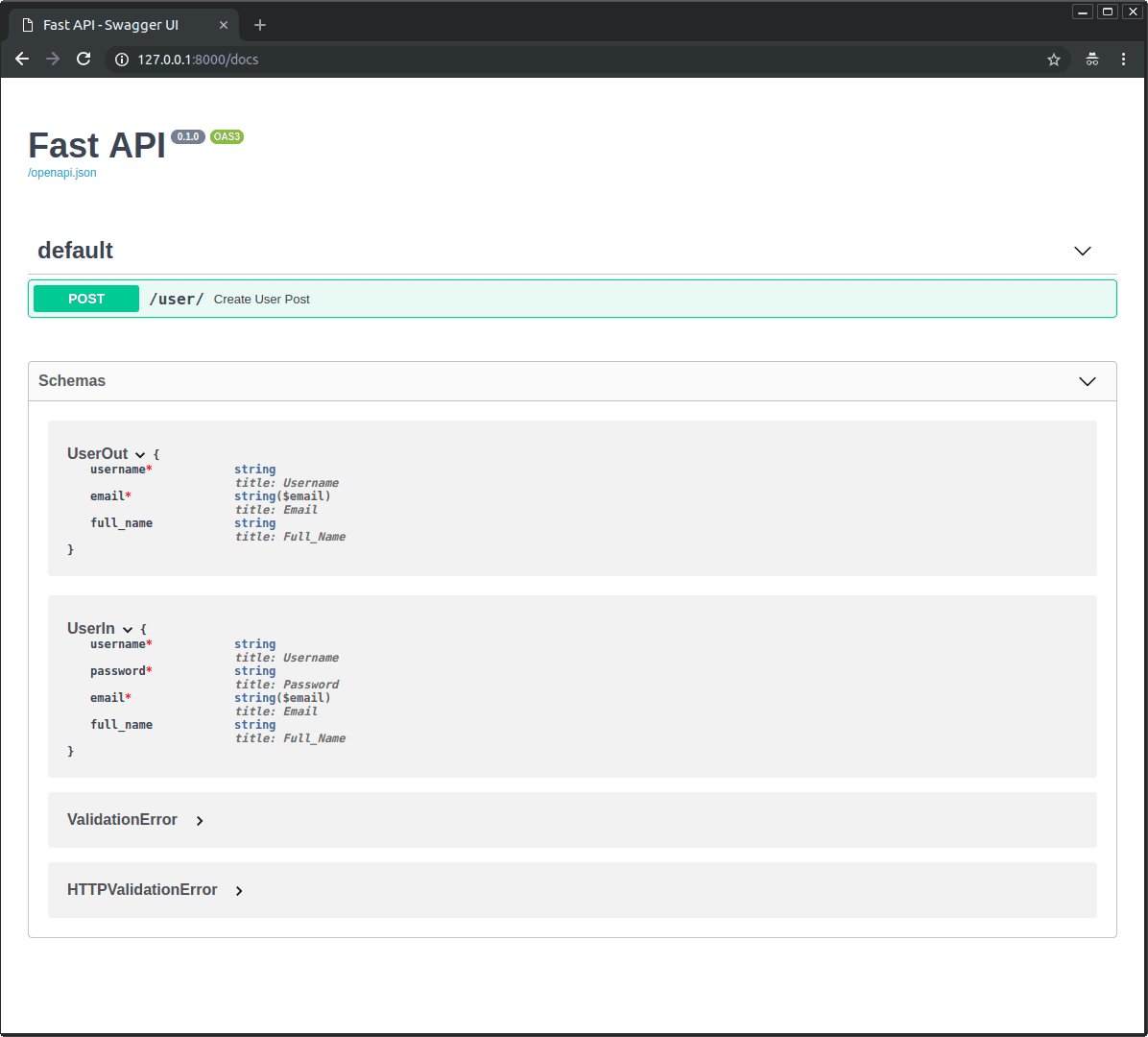
How would you use a Pydantic response_model to enforce output structure?
Tests separation of internal models from API contracts. Define a Pydantic output model with only safe fields, set it as the endpoint response_model, and let FastAPI filter and validate.
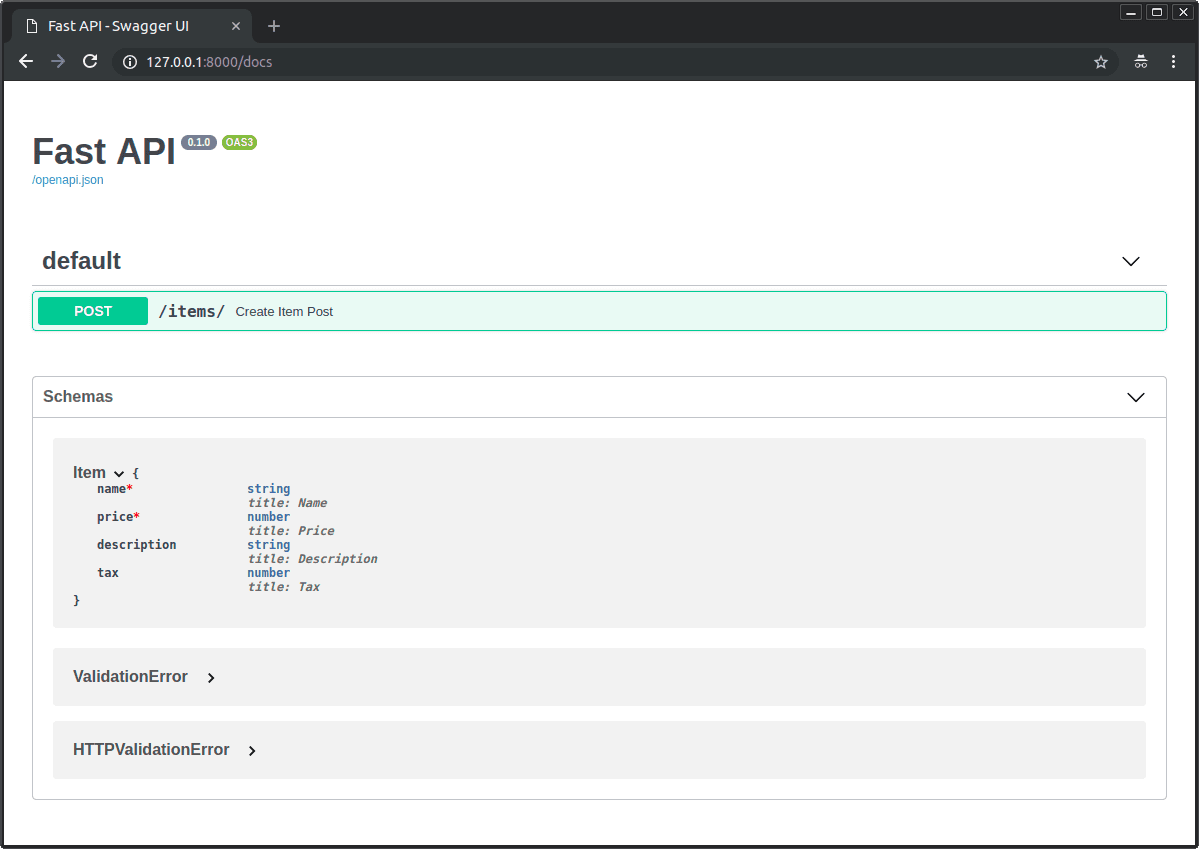
How do you define a Pydantic model and use it in FastAPI?
Subclass BaseModel with name str and age int, then type-hint the parameter with the model.
What is the difference between a Pydantic default and Optional field?
Both forms are non-required; str = 'guest' rejects None, Optional[str] = None accepts it.
How does Pydantic handle extra JSON fields, and how to configure it?
This tests Pydantic's data filtering behavior and configuration. By default, Pydantic ignores extra fields silently. Set model_config = ConfigDict(extra='forbid' or 'allow') to change it. A red flag is claiming FastAPI 422s by default on unknown fields.
How do you define a Pydantic model for FastAPI request body validation?
Subclass BaseModel with id int, email str, full_name str|None; pass it as a route param so FastAPI validates JSON and returns 422s.
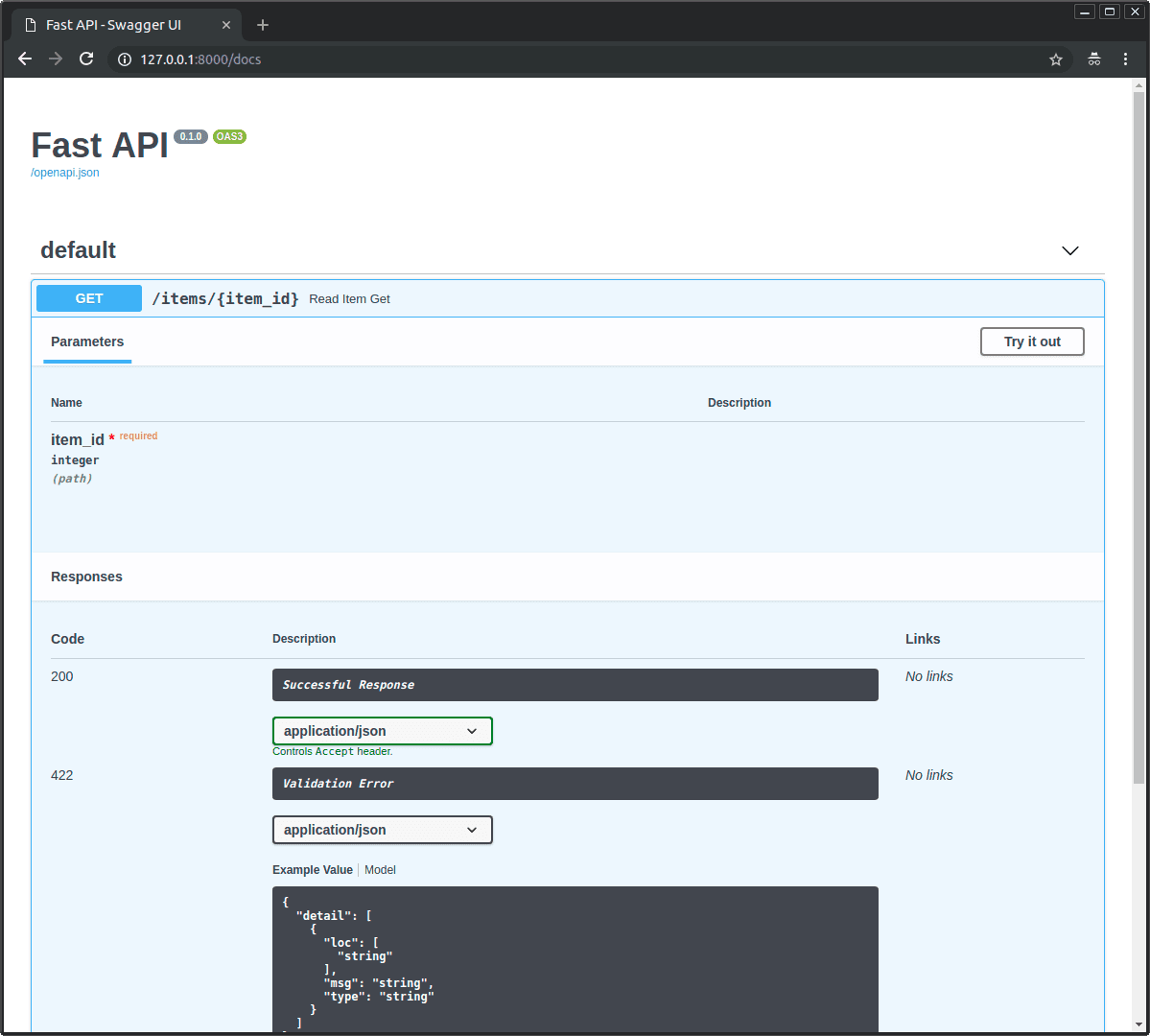
How do you define and access a FastAPI path parameter?
Tests FastAPI route-to-function binding. Good answer: curly-brace syntax in the decorator path, a matching typed function argument, and awareness that FastAPI auto-extracts and converts the value.
What is the purpose of @app.get("/") in FastAPI?
Tests your understanding of FastAPI routing. A strong answer explains that the decorator binds an HTTP method and path to a Python function, registers it in the app's route table, and builds OpenAPI metadata.

What is the difference between def and async def in Python and FastAPI?
Tests event-loop boundaries: async def yields control via await for non-blocking I/O, def runs in a threadpool. Use async def only with async libraries; def covers blocking calls. Red flag: claiming async is automatically faster or awaiting inside def.
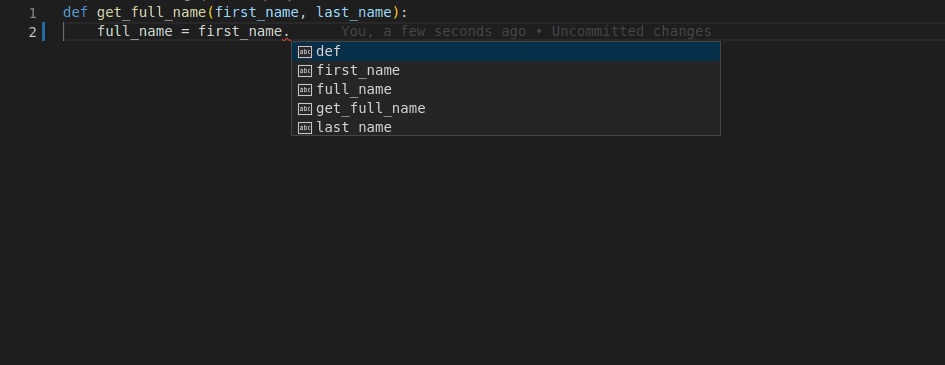
Explain Python type hints and their importance in FastAPI
Python type hints describe expected data, but Python itself does not enforce them. FastAPI reads those annotations with Pydantic to parse and validate requests and generate OpenAPI documentation. A strong answer separates language syntax from framework behavior.
JWT: Signed JSON Claim Tokens
A JWT is a signed JSON envelope: it carries claim assertions in JSON, optionally encrypted, and proves who wrote it using either a private secret or a public/private key. Do not treat the payload as hidden unless encryption is actually enabled.
Your First Python Dockerfile Blueprint
A Dockerfile is a recipe for building a self-contained environment for your Python app. Use it to ensure your app runs identically everywhere, from your laptop to production. The common footgun is forgetting a .dockerignore file, which bloats your image.
FastAPI Lifespan: Code Before Startup, After Shutdown
FastAPI's lifespan events are "open for business" and "closing time" routines that run once before startup and after shutdown. Use them to initialize a DB pool or load a model. The footgun is putting request-specific logic here; it runs once only.
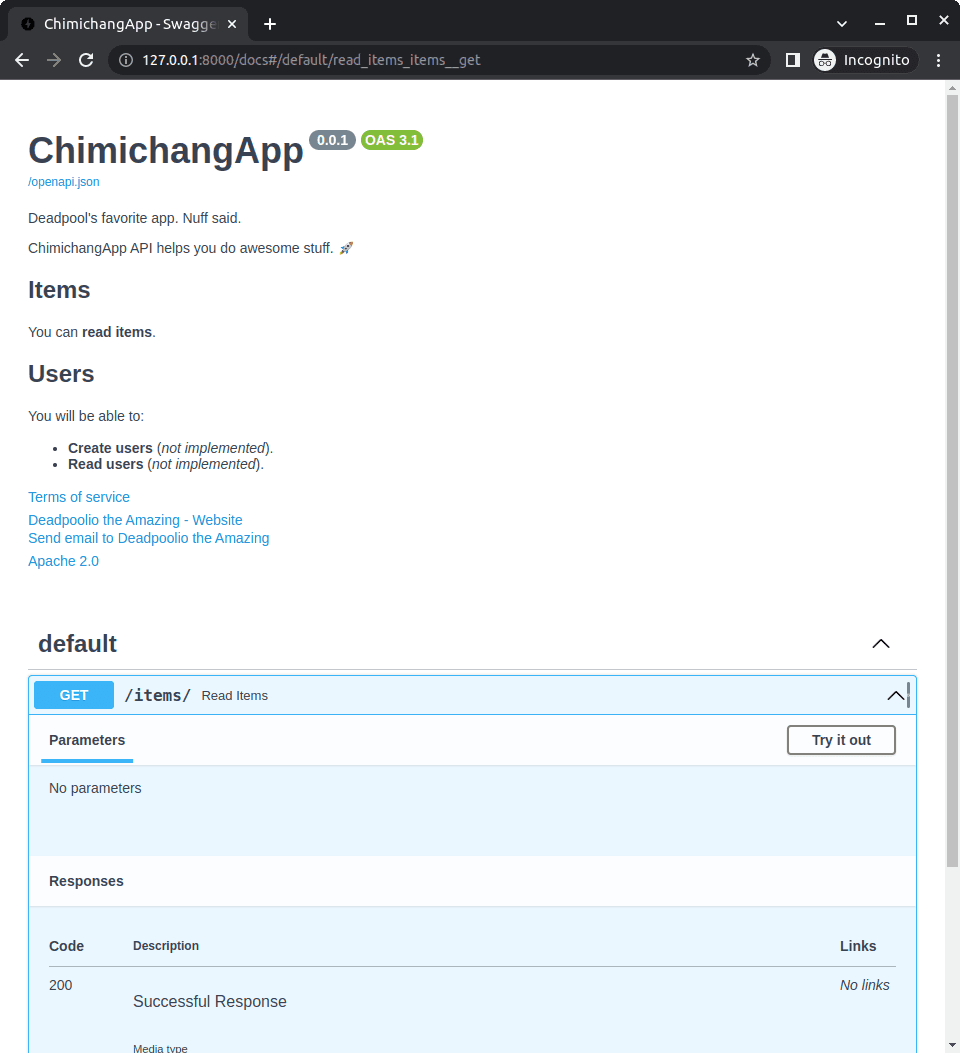
FastAPI: Configure API Metadata for Better Docs
Think of FastAPI metadata as your project's business card. It sets the title, version, and description in your auto-generated docs, making your API professional and discoverable. The main footgun is forgetting to update the version string after a release.
pytest Fixtures: Reusable Test Setups
Pytest fixtures are reusable functions for test setup, like creating sample data. Your tests request them by name as arguments, and pytest automatically runs them and injects the results.
We are hiring for this. Every open role lists the topics its interview covers, so you can prepare for the real thing rather than guessing.
See open roles