Concepts in Vue, Angular & Svelte, page 4

SvelteKit Form Actions: Server-Side Logic for Forms
SvelteKit Form Actions link HTML forms directly to server-side code, handling submissions without client-side boilerplate. They're perfect for logins or registrations and work without JavaScript.
VeeValidate: Vue Forms Without the Boilerplate
VeeValidate manages the entire lifecycle of a Vue form—tracking values, validation, and submissions—so you don't write the state boilerplate. Use it for simple contact forms or complex wizards, especially with async validation. The footgun is mixing its APIs.

Angular Custom Validators: Beyond Built-in Rules
Custom validators let you define your own business logic for form inputs. Use them to check for unique usernames via an API or enforce complex password rules. The main footgun is forgetting async validators must return an Observable or Promise.

Zod: TypeScript-First Schema Validation
Zod creates a single source of truth for your data's shape, providing both runtime validation and static TypeScript type inference from one definition. Use it to parse API inputs or form data, ensuring data is correct and typed.
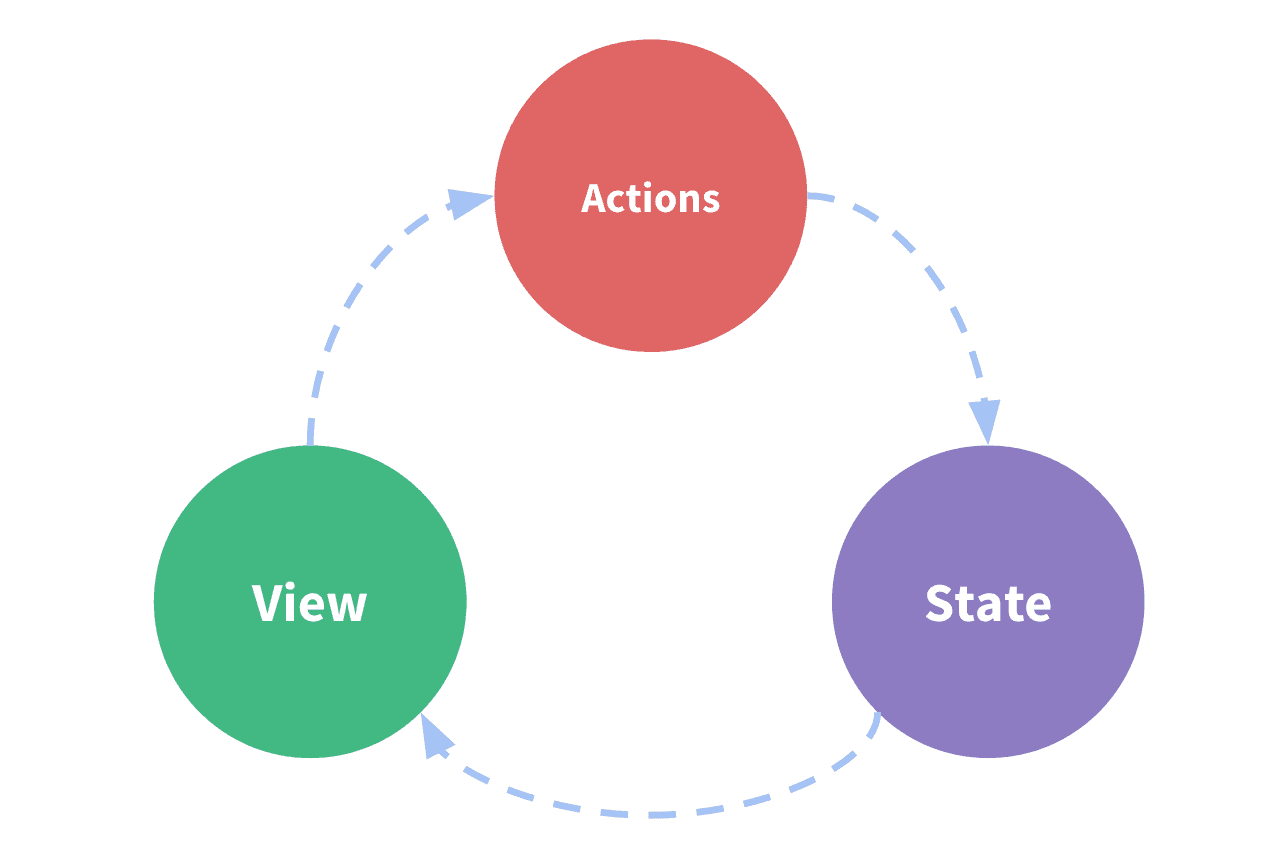
Vuex: A Central Store for Your App's State
Vuex acts as a global warehouse for your app's shared data, letting any component access state without complex prop-drilling. It's for large apps where components need to sync up. The footgun: For new projects, use Pinia, Vue's new official state library.
Using Angular Services for Simple State Management
An Angular service acts like a central data store. Components subscribe to it for data, rather than owning state, keeping data consistent across views. It's ideal for sharing user info or cart contents.
Angular HttpClient: Your App's API Connector
Angular's HttpClient turns network requests into RxJS Observables. Use it to fetch data or submit forms. The footgun: a request is never sent until you subscribe to the Observable it returns, a common mistake for beginners.

SvelteKit's `load` Function: Pre-fetch Data for Pages
Think of SvelteKit's load function as a gatekeeper for your page, fetching data *before* it renders. It's used to grab data from an API or route params, like fetching a blog post. The footgun: load in +page.js runs on both server and client.

TanStack Query: Managing Server State, Not Client State
TanStack Query manages asynchronous server state, not client-side UI state. It treats server data as a cached resource. Use it to fetch, cache, and update remote data automatically. The footgun is using it for synchronous client state like form inputs.
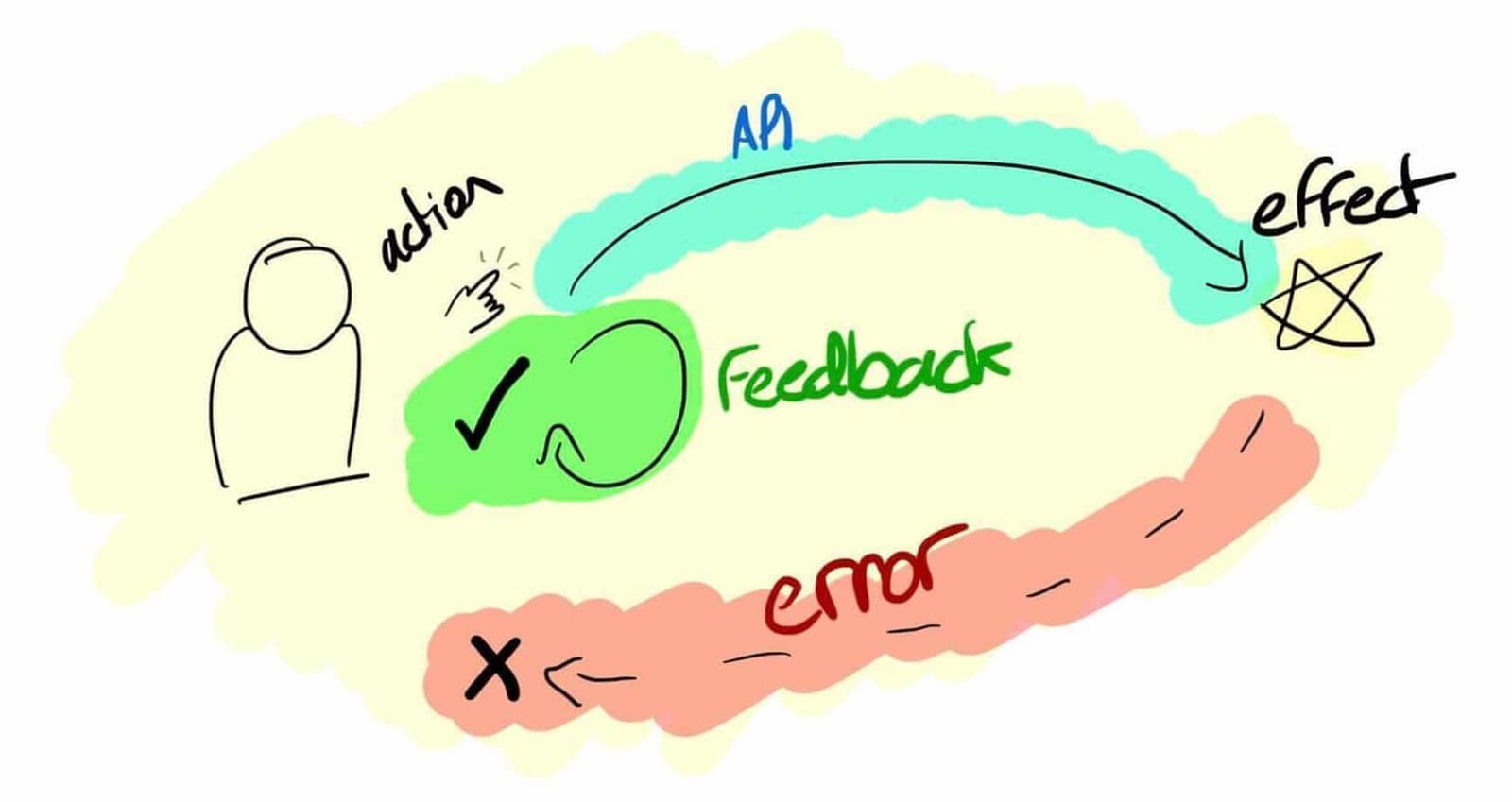
Optimistic UI: Assume Success for a Faster Feel
An optimistic UI assumes an action will succeed, updating the interface instantly instead of waiting for the server. This makes actions like liking a post or adding to a cart feel instant. The footgun is failing to revert the UI when the server reports an.

XState: Predictable UI State with State Machines
XState treats UI logic as a formal state machine, making impossible states impossible. It's ideal for complex components like multi-step forms or data fetching UIs. The footgun is overusing it for simple boolean toggles, which adds needless boilerplate.
SSR Hydration: Don't Re-render, Reuse
Hydration tells your client-side app to reuse the HTML sent by the server instead of wastefully re-rendering it. This prevents UI flicker in Server-Side Rendered apps and improves load performance.
Client-Side Routing: No More Full Page Reloads
Client-side routing fakes page navigation. Instead of fetching new HTML from a server, it just shows or hides components already loaded, making transitions feel instant. This powers single-page apps (SPAs).
RouterLink: Client-Side Navigation in Angular
RouterLink is Angular's replacement for <a> tags, preventing full page reloads in a Single-Page App. Use it on any element to navigate between views. The common footgun is using a standard <a href="...">, which reloads the page and loses application state.
Programmatic Navigation: Changing Routes with Code
Instead of a user clicking a link, you trigger navigation from your JavaScript. This is useful for redirecting after an action, like a successful login. The main footgun: params are ignored if you also provide a path—use a named route instead.
Vue Dynamic Routes: Using Parameters
Dynamic routes use one component for many URLs, like a User page for /users/johnny and /users/jolyne. Define a path with a param like /users/:id and access its value via $route.params.id.
Nested Routes: Mapping URLs to Component Trees
Nested routes map URL segments to components inside other components, like a sub-page within a main layout. This is common for user dashboards with sections like 'profile' and 'settings'. The footgun is forgetting the child router outlet.
Navigation Guards: Vue's Route Bouncers
Think of navigation guards as bouncers for your app's routes. They intercept route changes to check permissions or fetch data before rendering a page. The old next() callback is a trap; accidentally calling it twice can break navigation.

File-Based Routing: Your Filesystem is Your API
File-based routing makes your directory structure the single source of truth for your app's URLs. Creating a file at routes/about/+page.svelte automatically creates the /about page, no central config needed.
Angular: Reading URL Query Parameters
Angular gives you two ways to read URL query params: a static snapshot for the initial value, or a queryParams Observable for live updates. Use it for values like ?search=term.
We are hiring for this. Every open role lists the topics its interview covers, so you can prepare for the real thing rather than guessing.
See open roles