All bites
The whole library, newest first. Filter by what you are here for, or pick a topic if you already know.
4247 bites
Page 119
Why GPUs Dominate Neural Network Training
A GPU is a freight train, a CPU a race car: deep learning moves identical math across huge batches. GPUs win on transformers and CNNs. The footgun is using them for tiny models, where data transfer overhead eats the gains.
Staging Environments for ML Pipelines
A staging environment mirrors production so models and pipelines are validated on production-like data and infrastructure before release. It catches drift, integration breaks, and serving regressions early, making promotion to production a safe, repeatable…
Right-Size Inference and Stop Paying for Idle GPUs
Instance right-sizing matches inference to the smallest hardware that serves it without choking. It matters when GPU endpoints idle at 10% utilization. The footgun is copying your training spec into production; inference rarely needs that memory or multi-GPU.
Inference Health Checks: Traffic Gates, Not Heartbeats
An inference server's health check is a traffic gate, not a heartbeat. Kubernetes uses it to route requests only after the model is loaded. The footgun is probing the root path, which stays green even when the model has crashed or the GPU is wedged.
Adversarial Validation: Detect Drift with a Classifier
Adversarial validation reframes drift detection as a classification problem: train a model to separate training rows from production rows. If it can tell them apart, your feature distributions have shifted.
Directed Acyclic Graph (DAG) for Workflows
A DAG models a workflow as tasks (nodes) connected by dependency edges with no cycles, so a scheduler knows the valid execution order. It enables parallelism, safe retries, and idempotent reruns, and underpins orchestrators like Airflow for ML pipelines.
Parameterization: One Pipeline, Any Environment
Externalize every path, hyperparameter, and compute setting so one pipeline runs unchanged across dev, staging, and production. This enables reproducible experiments and safe CI/CD. The footgun is branch-per-environment repos that silently diverge.
Dynamic Fan-out/Fan-in Pipelines
Dynamic fan-out/fan-in spawns parallel tasks from runtime data, then gathers results. Use it when input counts vary, like processing a daily changing set of files. The footgun is a fan-in task that hangs waiting for branches lost to partial failure.
Centralized vs Decentralized ML Platforms
A centralized ML platform trades team autonomy for standardization, while decentralized platforms embed ML tooling inside product teams. Centralized suites drown in ticket queues; decentralized ones duplicate cost and security holes without strong governance.
Model Risk Management: The Immune System for Production Models
Model Risk Management treats every deployed model as a liability that can silently decay. Banks use it to stop bad predictions from becoming bad decisions. The footgun is treating validation as a one-time checkbox instead of continuous governance.

Key Performance Indicators (KPIs)
A KPI isn't just any metric; it's a measurable value showing how effectively you're achieving a key business objective. It's used to track things like website uptime or customer acquisition cost.
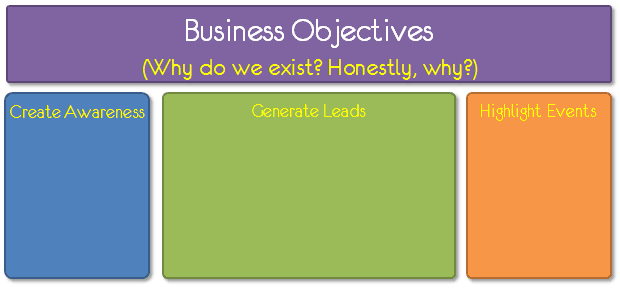
Analytics Measurement Plan: From Why to What
An analytics measurement plan forces you to define success before you look at data. It connects high-level business objectives to specific user actions and sets clear targets.
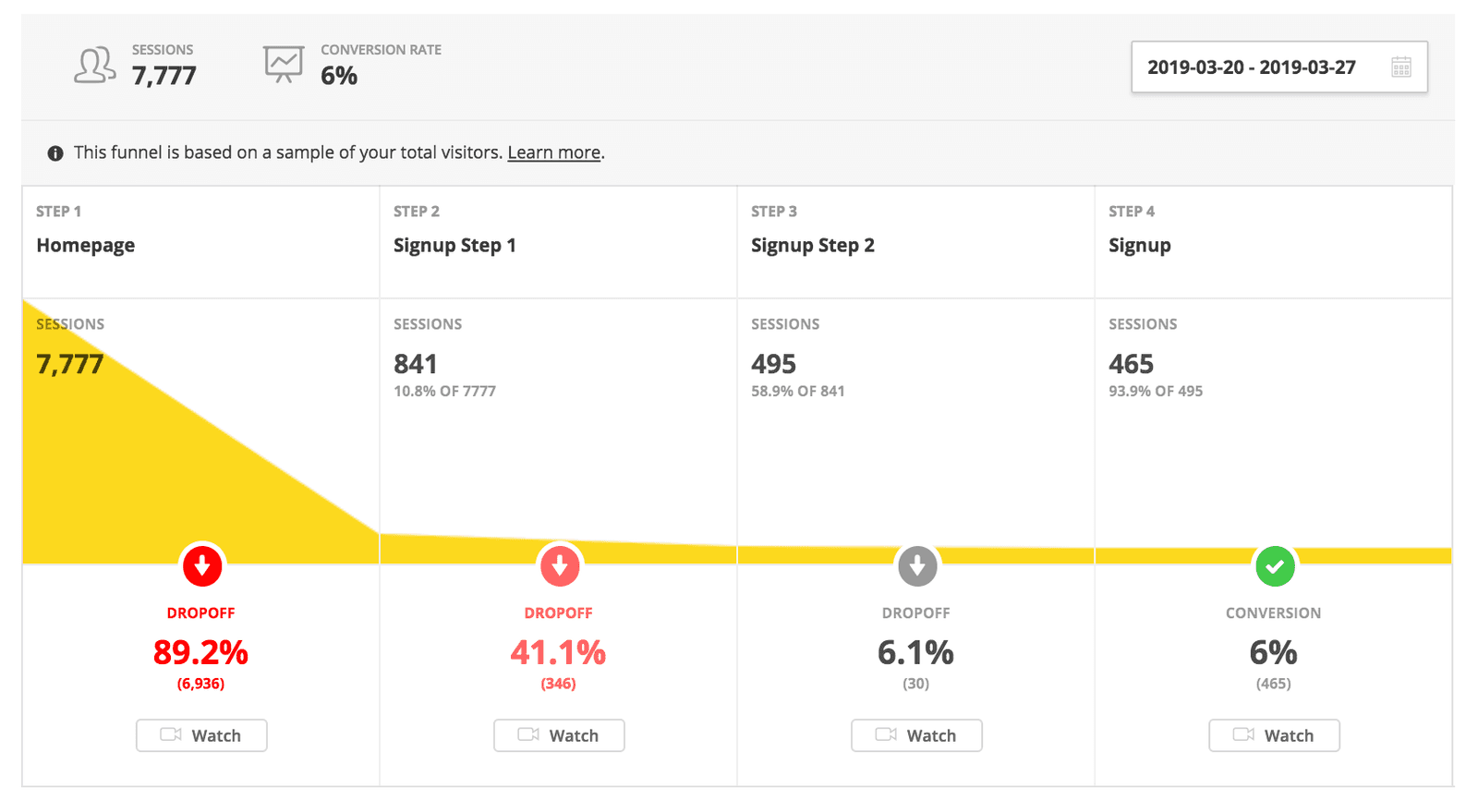
Funnel Analysis: Pinpointing Where Users Drop Off
Funnel analysis treats a user journey like a real-world funnel, showing exactly where people 'leak' out before reaching a goal. It's key for optimizing e-commerce checkouts or app sign-ups. The footgun is only looking at the final conversion rate.
Leading vs. Lagging Indicators: Looking Forward vs. Backward
Leading indicators predict the future; lagging indicators confirm the past. This distinction is key for analyzing business cycles or system health. The main footgun is relying only on lagging data, forcing you to react to problems that have already occurred.
Cohort Analysis: Comparing User Groups Over Time
Instead of averaging all user behavior, cohort analysis groups users by a shared starting point, like their sign-up month. This reveals how product changes affect retention for specific groups. The footgun is lumping everyone together, which hides real trends.
Customer Segmentation: Treat Different Customers Differently
Instead of treating all customers the same, segmentation groups them by shared behaviors or traits. This helps tailor marketing campaigns or manage relationships.
Balanced Scorecard: Beyond Financial Metrics
A Balanced Scorecard connects daily actions to long-term strategy by measuring more than just financial results. It's used to align department goals with company objectives, ensuring work supports customer satisfaction.
Data-Driven vs. Data-Informed: Let Data Guide, Not Dictate
Data-driven means the data makes the call, like in an A/B test. Data-informed means a human makes the call, using data as one key input for strategic choices like setting a budget. The footgun is saying 'data-driven' when you mean 'data-informed'.

Event Tracking: Measuring What Users Do
Event tracking turns user actions like clicks and purchases into analyzable data. Analytics platforms use this data to report on engagement and conversions. The biggest footgun is inconsistent naming, which pollutes your data and breaks reports.
UTM Parameters: Know Exactly Where Your Traffic Comes From
UTM parameters are like labels on your website visitors, telling you which marketing campaign brought them. They're added to URLs in ads or emails to measure channel effectiveness. The footgun is inconsistent naming, which splits data and ruins analysis.