All bites
The whole library, newest first. Filter by what you are here for, or pick a topic if you already know.
4247 bites
Page 121
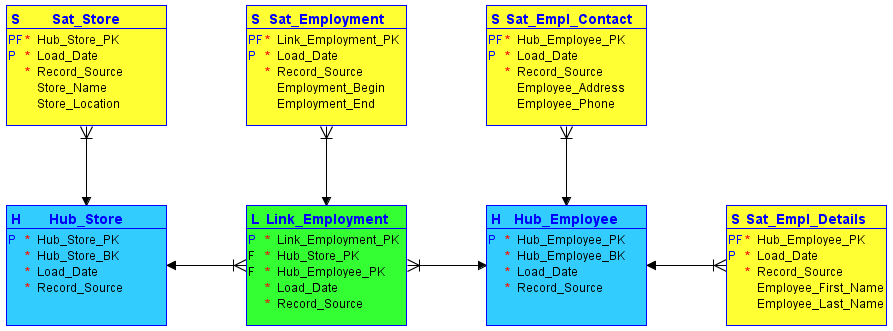
Data Vault Modeling: An Audit-First Data Warehouse
Data Vault modeling builds a warehouse like a financial ledger, where every entry is permanent and traceable. It excels at storing historical data from multiple systems for auditing.
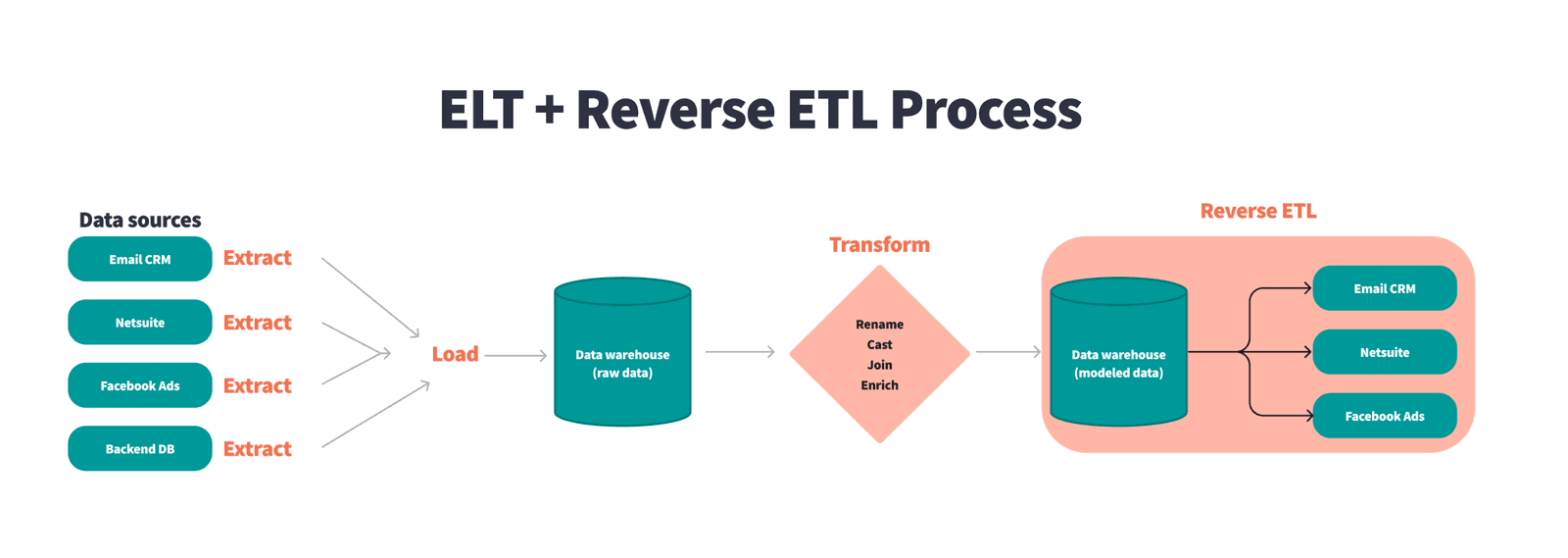
Reverse ETL: From Warehouse Insights to Operational Action
Reverse ETL pushes clean data from your central warehouse back into the operational tools business teams use daily. This powers sales with customer scores in their CRM or marketing with personalized segments, all from a single source of truth.
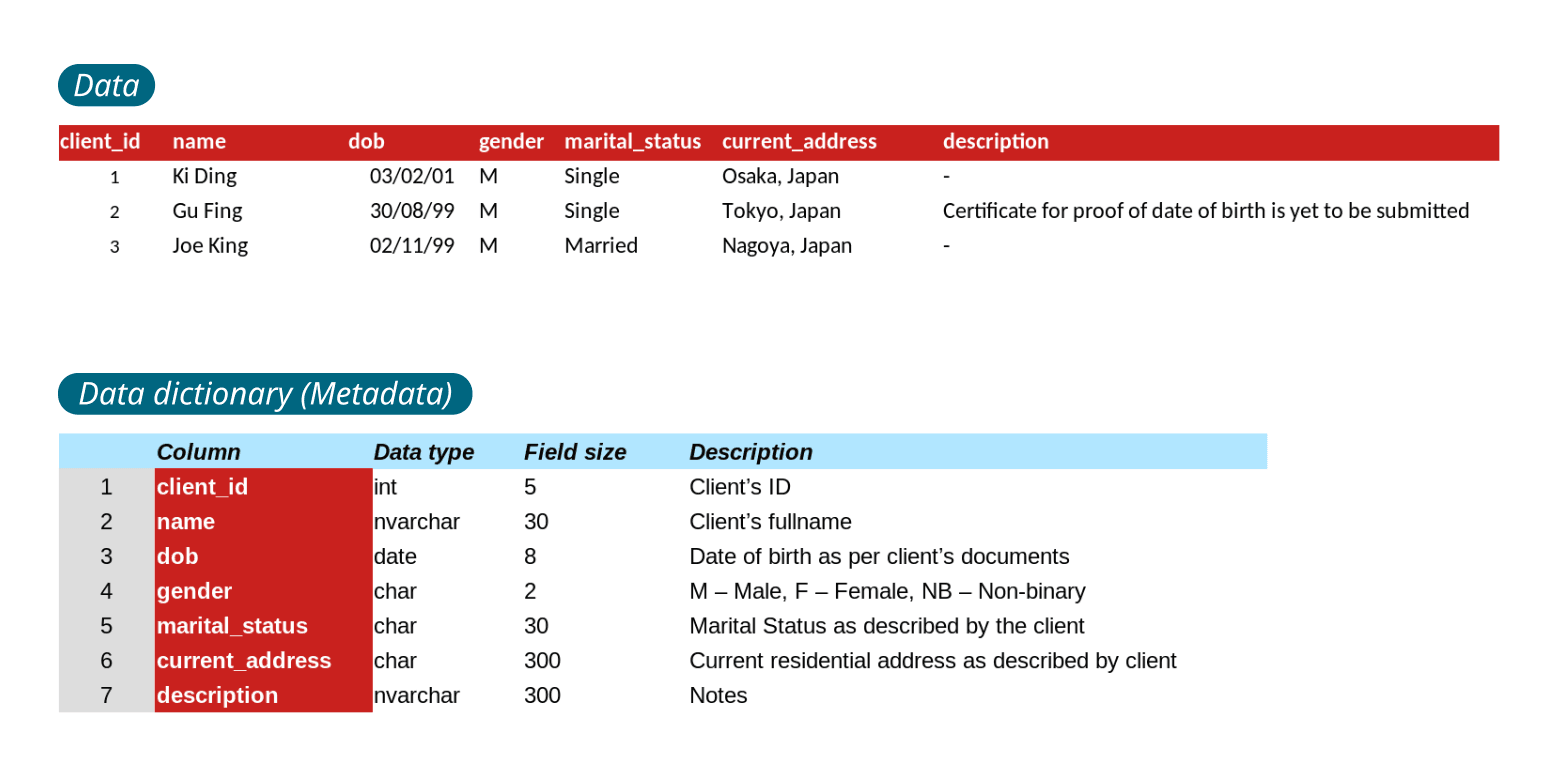
Data Dictionary: The 'About' Page for Your Data
A data dictionary is the instruction manual for your database, defining what each piece of data means and how it's formatted. It's used by engineers to understand a schema or by analytics tools to interpret columns. The biggest footgun is letting it go stale.
PII: Data That Identifies a Real Person
PII is any data that can identify a real person. Email addresses, IP addresses, and device IDs all count, so analytics systems must mask or hash them before storage. A leaked salt can still expose a hashed email, so do not assume hashing removes PII.
Data Cleansing: Fixing Your Data Before It Fails You
Data cleansing is quality control for your dataset, finding and fixing errors before they skew your analysis. It's a crucial first step in any data pipeline, from training an ML model to generating business reports. The footgun is assuming data is clean.
Data Validation: Garbage In, Garbage Out
Data validation is the bouncer for your app, checking data at the door to ensure it's correct and useful. It's used on user forms, API requests, and file imports. The footgun is skipping it, which risks corrupted data, security holes, and future crashes.
Data Profiling: The First Step in Any Data Project
Data profiling creates a 'character sketch' of a dataset, revealing its structure, content, and quality. It's the first step in data warehousing or analytics to discover metadata and assess risks. The footgun is skipping it, leading to late-project surprises.
Data Quality: Is Your Data Fit for Purpose?
High-quality data is defined by its fitness for a specific purpose, not just its correctness. It must accurately represent the real world. This is critical for business planning or ML models.
Data Lineage: The Story of Your Data
Data lineage is a family tree for your data, showing its origins, transformations, and final destination. It's essential for debugging broken analytics and tracing errors to their source.
Data Catalog: The Library Card for Your Data
A data catalog is like a library card catalog for your company's data, telling you what exists, where it lives, and what it means. It helps analysts find trustworthy datasets and engineers trace the impact of schema changes. The footgun is letting it go stale.
Data Anonymization: Protecting Privacy by Removing PII
Data anonymization breaks the link between data and real people by removing personal identifiers. It’s used to share datasets for research or analytics while protecting privacy.

GDPR: Treating User Data as a Liability, Not an Asset
GDPR treats personal data as a liability borrowed from the user. It gives EU citizens strong rights over their data, like access and erasure, forcing any company processing it to comply. The footgun is assuming it doesn't apply if your company isn't in the EU.
Data Governance: Corporate Management vs. Global Policy
Data governance operates at two scales: managing data within a company and setting data policy between nations. It applies to corporate data management and international internet governance.
Master Data Management (MDM): The Single Source of Truth
Master Data Management (MDM) creates a single source of truth for core business entities. It's used when departments have conflicting data (e.g., 'ACME Inc.' vs 'Acme Corp').
Data Stewardship: The Librarian for Your Data
A data steward is the designated owner of a data asset, responsible for its quality and business value, not just its storage. This role is crucial where data is shared across teams, ensuring consistency.
Data Masking: Protect Data, Preserve Utility
Data masking creates a realistic but fake version of your data by scrambling sensitive fields. It's used to give developers and analysts safe datasets for testing or analytics without exposing real PII.
Report Generation: Turning Raw Data into Human-Readable Documents
Report generators translate raw data into formatted documents for human eyes. They power business dashboards and sales summaries. The main footgun is forgetting the report is a stale snapshot, not the live data source itself.
Descriptive Statistics: What Your Data Looks Like
Descriptive statistics summarize the data you have, painting a picture of your sample without making guesses about the wider world. It's used for calculating things like average age or max response time.
Business Intelligence (BI) Tools: From Raw Data to Dashboards
BI tools turn raw company data into visual dashboards and reports. They let non-technical teams explore sales trends or user behavior from a data warehouse, but remember: a slick dashboard built on messy data is just a pretty lie.
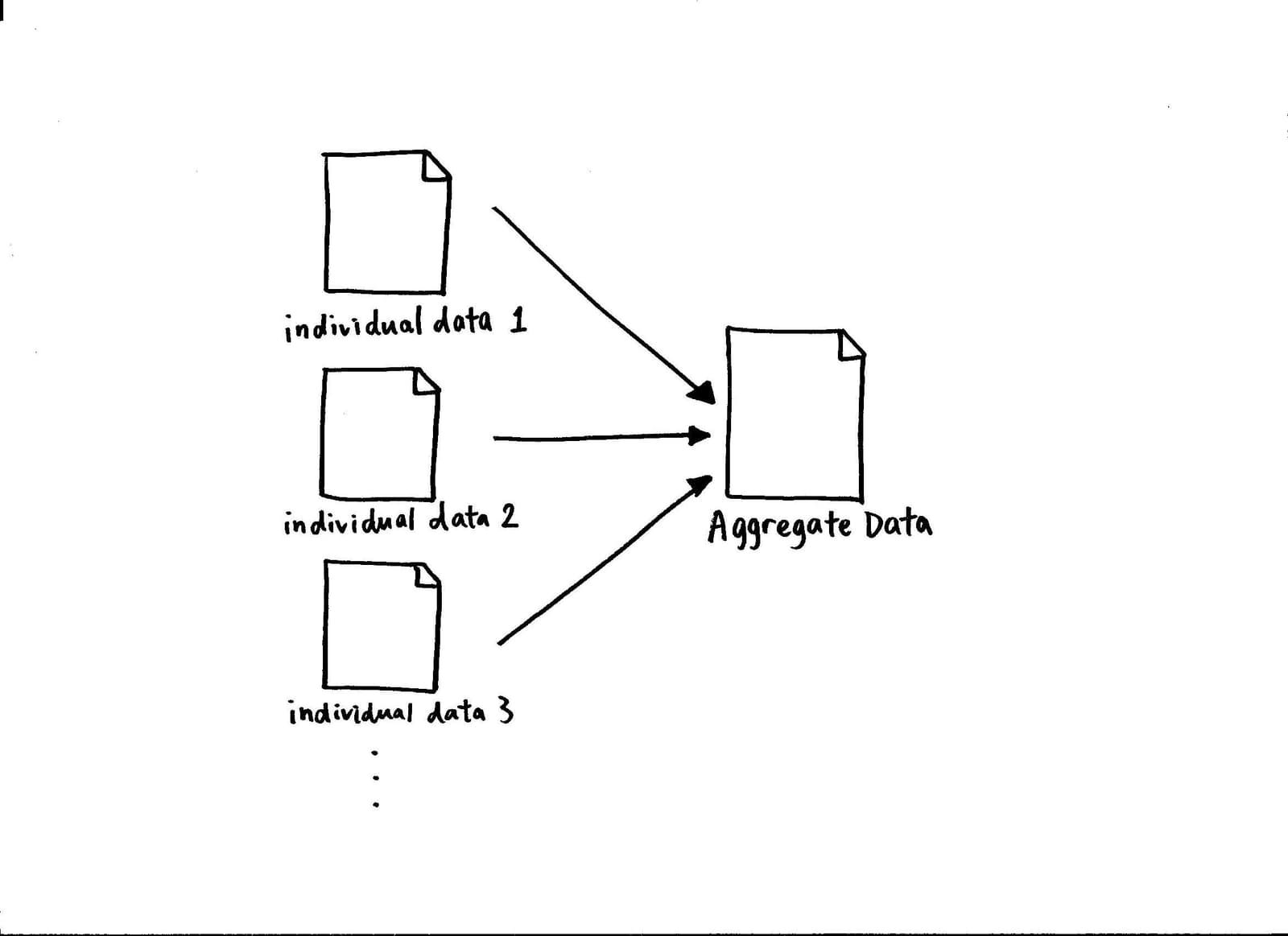
Data Aggregation: The Big Picture from Small Details
Data aggregation rolls up granular records into high-level summaries, like turning individual sales logs into a daily sales report. It's used to power dashboards and speed up warehouse queries.