All bites
The whole library, newest first. Filter by what you are here for, or pick a topic if you already know.
4247 bites
Page 175

Invoice: The Official 'Please Pay Me' Document
An invoice is your official request for payment after delivering work. Freelancers and businesses use it to bill clients for services, listing what was done and how much is owed. The footgun is confusing it with a receipt, which confirms payment has been made.
The Byline: Attributing Work to its Author
A byline is the author's signature on an article, giving them credit and accountability. You see it between the headline and body text of news stories, magazine features, and blog posts.
Hiring Writers: Freelance vs. In-House
Choosing between freelance and in-house writers is a strategic trade-off. Freelancers offer cost-effective, specialized talent on demand, while in-house writers provide deep brand knowledge and consistent availability.
Beyond Per-Word: A Framework for Setting Freelance Rates
Price your work based on value, not just word count. Rates vary widely by service (editing vs. consulting), genre, and your expertise. This applies when quoting any project.
Statement of Work (SOW): Defining 'Done' for a Project
An SOW is the project's blueprint, translating a goal into a concrete plan of activities, deliverables, and timelines. It's used when engaging vendors to ensure both sides agree on the scope. The footgun: a vague SOW invites scope creep and disputes.

Ghostwriting Agreement: Who Owns the Words?
A ghostwriting agreement legally transfers authorship from the writer to a credited person. It's used when an expert has ideas but not the time or skill to write, ensuring the final work is legally theirs.

Work for Hire: Who Owns What You Create?
Work for Hire makes the employer or client the legal author of a creation, not the person who made it. This is standard for employees' work and can apply to freelancers via contract. The footgun: without a specific agreement, freelancers own what they create.

Author Platform: Your Reach to Sell Books
An author platform is your ability to sell books based on who you are and who you can reach. For nonfiction authors seeking a publisher, it's a non-negotiable proof of visibility with a target audience.

Choosing Your Freelance Business Structure
Choosing a business structure defines your personal liability and tax obligations. This decision is a key step when launching your business, along with registering your name, getting tax IDs, and opening a business bank account.
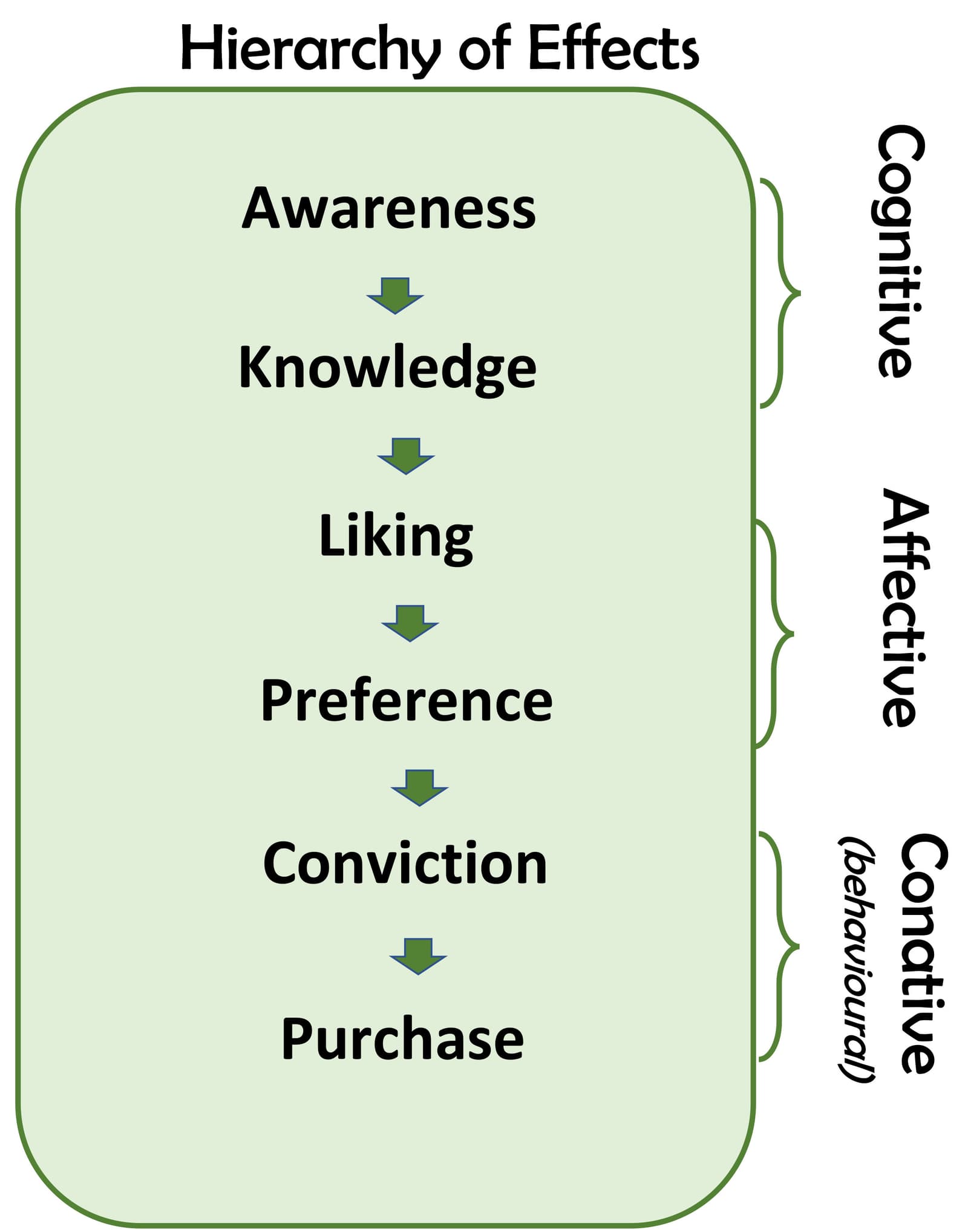
The AIDA Model: A Checklist for Persuasion
The AIDA model is a four-step checklist for persuasive writing: grab Attention, build Interest, create Desire, and call to Action. Use it to structure sales pages or emails to guide a reader from awareness to conversion.
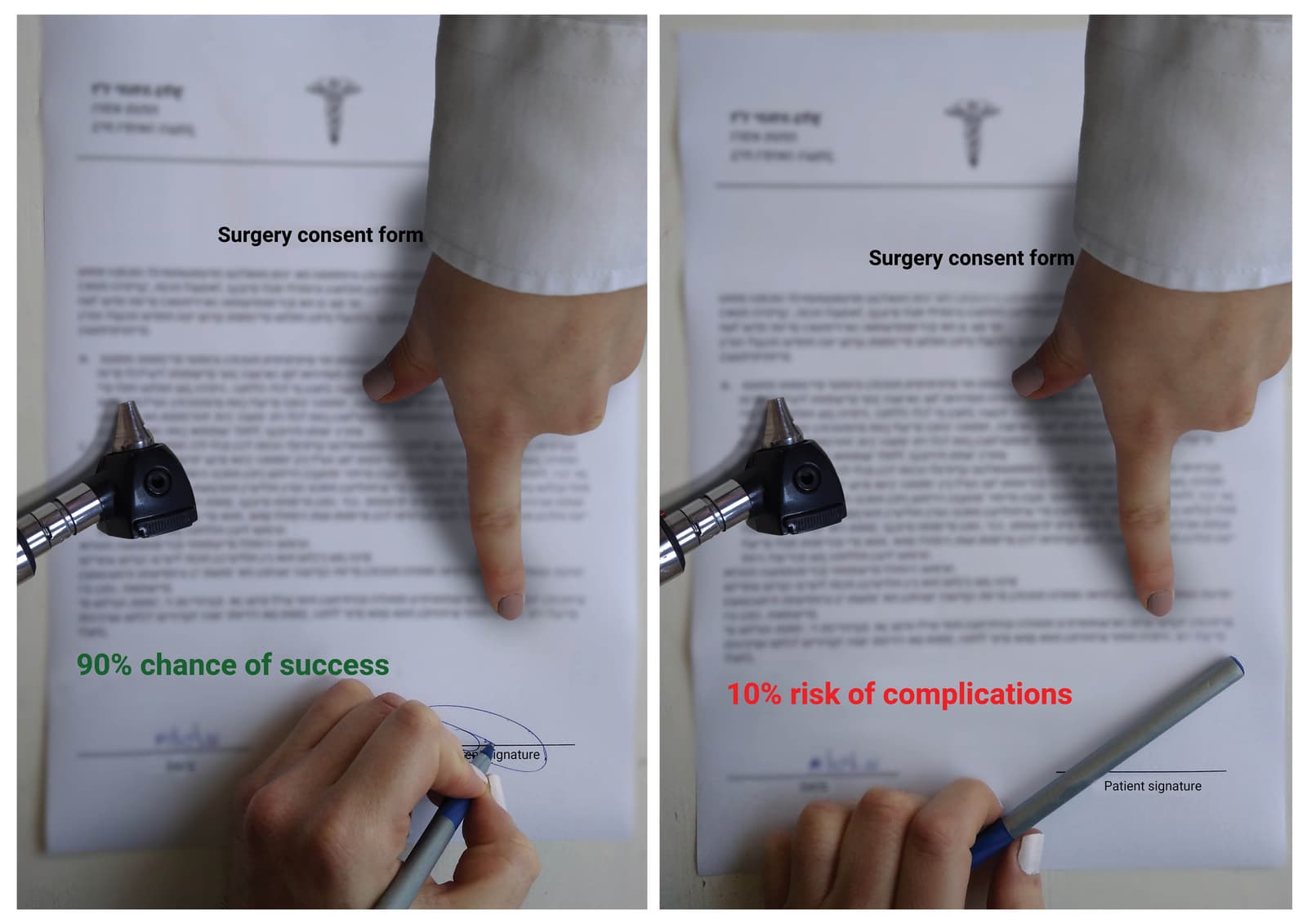
The Framing Effect: How Presentation Changes Decisions
The way you frame a choice—as a gain or a loss—changes how people decide, even if the options are identical. This is why "80% lean" sells better than "20% fat." The footgun is assuming people are rational; presentation often beats pure logic.

Content Repurposing: Create Less, Impact More
Treat your content like a base ingredient, not a finished meal. Repurposing recycles one strong piece into multiple formats, like turning a blog post into a video script or social media carousel.
Pillar Pages: The Hub-and-Spoke SEO Model
A pillar page is the "hub" for a topic, with related articles as the "spokes." This structure signals to search engines that you're an authority. It's used to rank for broad keywords by linking many specific articles to one central resource.

Image SEO: Making Your Pictures Discoverable
Treat images as content, not decoration. Good alt text helps search engines and screen readers understand an image's context, while descriptive filenames and optimized sizes improve ranking and user experience. Don't just upload IMG_8675.jpg.

E-E-A-T: Google's Human Quality Bar for Content
E-E-A-T is how Google's human reviewers judge if content is truly helpful or merely optimized. It matters most for health and finance, where bad advice causes real harm.

Call to Action (CTA): Guiding Users to the Next Step
A Call to Action (CTA) is the specific instruction telling a user what to do next, bridging passive consumption and active engagement. You see it in every "Sign Up" or "Download Now" button. The biggest footgun is being vague; if you don't ask, you don't.
Fascinations: The Art of the Curiosity-Driven Bullet Point
Fascinations are bullet points that create intense curiosity to compel action. Use them in sales copy to drive clicks by teasing a benefit's outcome. The footgun is writing a feature list instead of making the reader desperate to learn the 'how'.
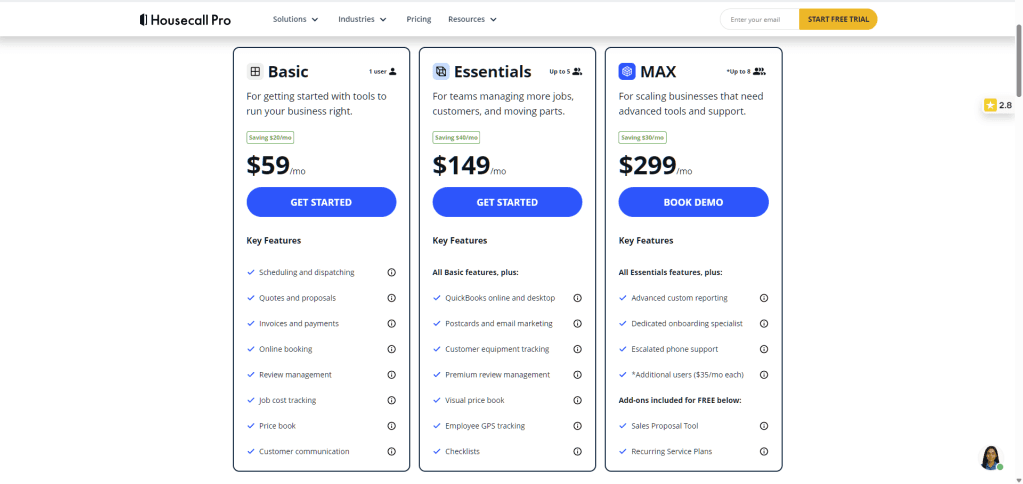
Offer Structuring: Packaging Value, Not Just Services
Offer structuring frames your product to increase its perceived value, not change the product itself. It bundles services into outcome-focused packages and adds bonuses that make a purchase feel easier and safer.
Lift Note: The Second Voice in the Envelope
A lift note is a second, smaller letter in a direct mail package, signed by a different person to 'lift' response rates. Use it to add a second voice of authority, boost order values, or upsell deluxe versions. The footgun: the signer must be different.
Lead Magnet: Trade a Free Resource for a Customer Relationship
A lead magnet is a free resource—like a tool or ebook—offered in exchange for a visitor's contact info. It's a value trade to start a conversation. SaaS companies use this for product trials, while content sites offer checklists.