All bites
The whole library, newest first. Filter by what you are here for, or pick a topic if you already know.
4247 bites
Page 84

Procfile: Declare Your App's Startup Commands
A Procfile is the start script for your cloud app, telling the platform what commands to run. You use it to define processes like a web server for HTTP traffic or workers for background jobs.
AWS SDK: Code That Operates Your Cloud
The AWS SDK turns AWS API calls into native code so your app can command S3 or DynamoDB directly. It handles auth, retries, and formatting automatically. The footgun: forgetting region or credentials causes silent failures that look like network errors.
The Twelve-Factor App: A Blueprint for Portable Cloud Apps
The Twelve-Factor App is a blueprint for building portable, resilient cloud apps. It's used for microservices or apps on platforms like Kubernetes, ensuring they can be easily deployed and scaled. The footgun is treating it as dogma, not a guide.

AWS CodePipeline: Your CI/CD Orchestrator
AWS CodePipeline is an orchestrator for your software release workflow, connecting source, build, and deploy stages. It's used to automate continuous delivery, triggering actions on every code change. The footgun: it only *manages* the pipeline.
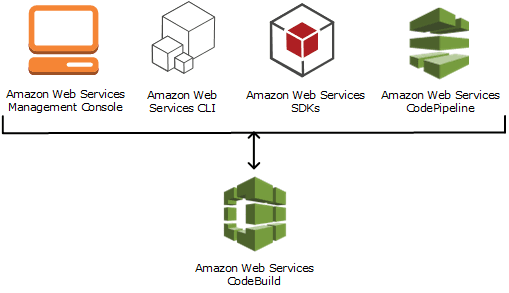
AWS CodeBuild: Managed Builds Without the Servers
Think of AWS CodeBuild as an on-demand build server you don't manage. It's used in CI/CD to compile code, run tests, and create artifacts. The main footgun is thinking it's a full CI/CD platform; it's just the 'build' step, needing an orchestrator.
AWS CodeDeploy: Automated, Safe Application Updates
AWS CodeDeploy automates pushing your application to servers, Lambda, or ECS. It handles complex updates across many targets, letting you release new features rapidly while minimizing downtime.
Rolling Updates: Deploying Code Without Downtime
A rolling update deploys new code by gradually replacing old application instances with new ones, ensuring zero downtime. It's the default for stateless services in orchestrators like Kubernetes.
Promoting Code with Pipeline Stages
Think of pipeline stages as quality gates. Code must pass one gate, like 'build', before being promoted to the next, like 'deploy to staging'. This is core to CI/CD, moving code safely from dev to production. The footgun is making later stages less strict.
Immutable Deployments: Treat Servers Like Cattle, Not Pets
Treat servers like cattle, not pets. Instead of modifying live servers, you deploy updates by replacing entire server fleets with new, pre-baked images. This eliminates configuration drift and simplifies rollbacks.
.ebextensions: Infrastructure as Code for Elastic Beanstalk
.ebextensions are config files for customizing the AWS resources in your Elastic Beanstalk environment. Use them to install packages, run commands on instances, or provision related AWS resources.
Cloud Native Buildpacks: No More Dockerfiles
Cloud Native Buildpacks turn source code into container images without a Dockerfile. This lets platform teams enforce security and best practices, while app developers just push code. The footgun is assuming they're simple; they're a full build system.
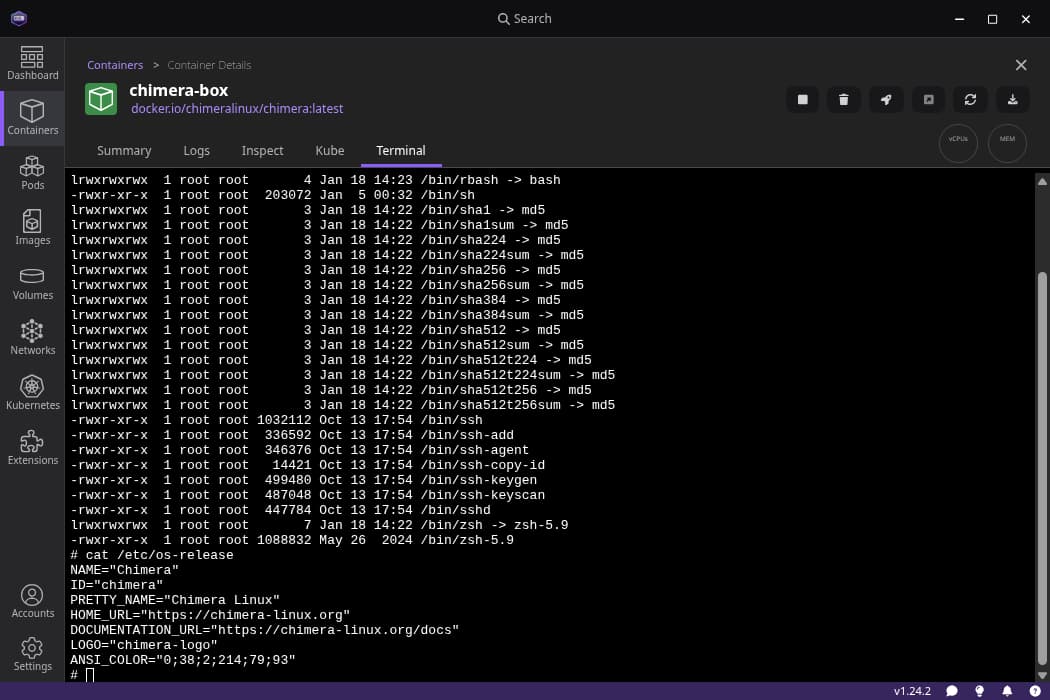
Containerization: Packaging Apps to Run Anywhere
Think of a container as a standardized box for your app, bundling its code and all dependencies. This ensures it runs the same everywhere, solving "it works on my machine" problems. The footgun is confusing them with VMs; containers are less isolated.
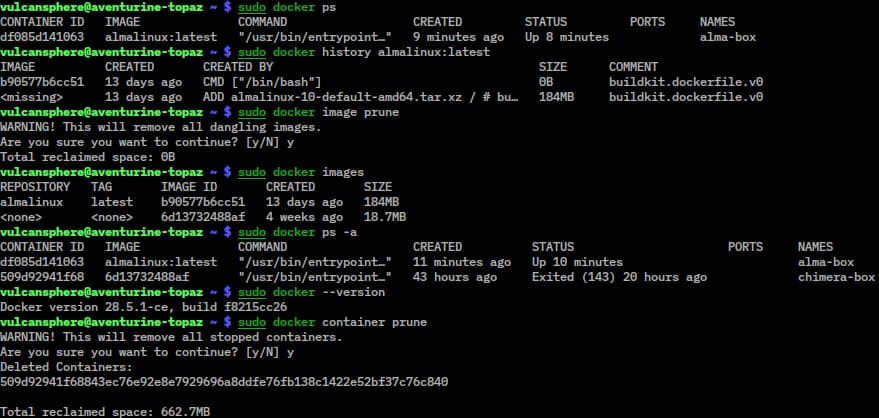
Docker Engine: Shipping Your Code in a Standard Box
Think of Docker as a standard shipping container for your code. It packages an app and all its dependencies into one unit that runs anywhere, solving the classic "it works on my machine" problem. The footgun is confusing it with a full VM; it's lighter.
Kubernetes Control Plane: The Cluster's Brain
The Kubernetes control plane is the cluster's brain, making all global decisions like scheduling pods and responding to events. You interact with it via kubectl to manage your applications. The footgun: never run your own workloads on control plane nodes.
Kubernetes Node: The Cluster's Worker Machine
A Kubernetes Node is a worker machine that runs your applications. Think of it as an employee receiving tasks (Pods) from the control plane manager. The common footgun is confusing the Node with the Pod; a Node is the server, while a Pod is the.
Persistent Volume and Persistent Volume Claim
Kubernetes separates storage provisioning from consumption. A PersistentVolume is a cluster storage resource an admin or driver provisions; a PersistentVolumeClaim is a pod's request for storage.
Kubernetes StatefulSet: Pods with Stable Identity
A StatefulSet gives Kubernetes pods a stable identity and dedicated storage, like assigning a permanent desk and locker to an employee. Use it for databases or clustered apps where nodes need to find each other and retain data across restarts.
Managed Kubernetes: Your Cloud's K8s Control Plane
A managed Kubernetes service (EKS, AKS, GKE) runs the complex K8s control plane for you, letting you focus on deploying apps, not managing infrastructure. Use it to run containers without the overhead of maintaining masters.
Horizontal Pod Autoscaler (HPA): Scale on Demand
A Horizontal Pod Autoscaler (HPA) is a thermostat for your app's capacity, adding or removing pods based on load. It's used to handle traffic spikes by watching metrics like CPU, but a common footgun is setting aggressive thresholds that cause flapping.

API Gateway: The Front Door for Your Microservices
An API Gateway is the single front door for all your backend services. It handles tasks like authentication and rate limiting before routing requests to the correct microservice. The footgun is treating it as a simple proxy; it can become a bottleneck.