All bites
The whole library, newest first. Filter by what you are here for, or pick a topic if you already know.
4330 bites
Page 165

Track a 'Request a Demo' button click
End-to-end click instrumentation. A strong answer covers: a DOM listener on the button, a custom event name like request_demo, and a payload with page path and button ID.
How would you track which headline wins in an A/B test?
Tests end-to-end experiment instrumentation across the stack. Outline: deterministically bucket users, serve variant A or B, emit click events, and aggregate by variant.
Measure active engagement time accurately
Accumulate time only while the tab is visible and the user active, via Page Visibility and activity events; flush with sendBeacon on unload.
Track scroll depth: Intersection Observer vs scroll events
Place sentinels at depth thresholds and fire once via Intersection Observer, off the main thread; scroll listeners fire constantly and need throttling.
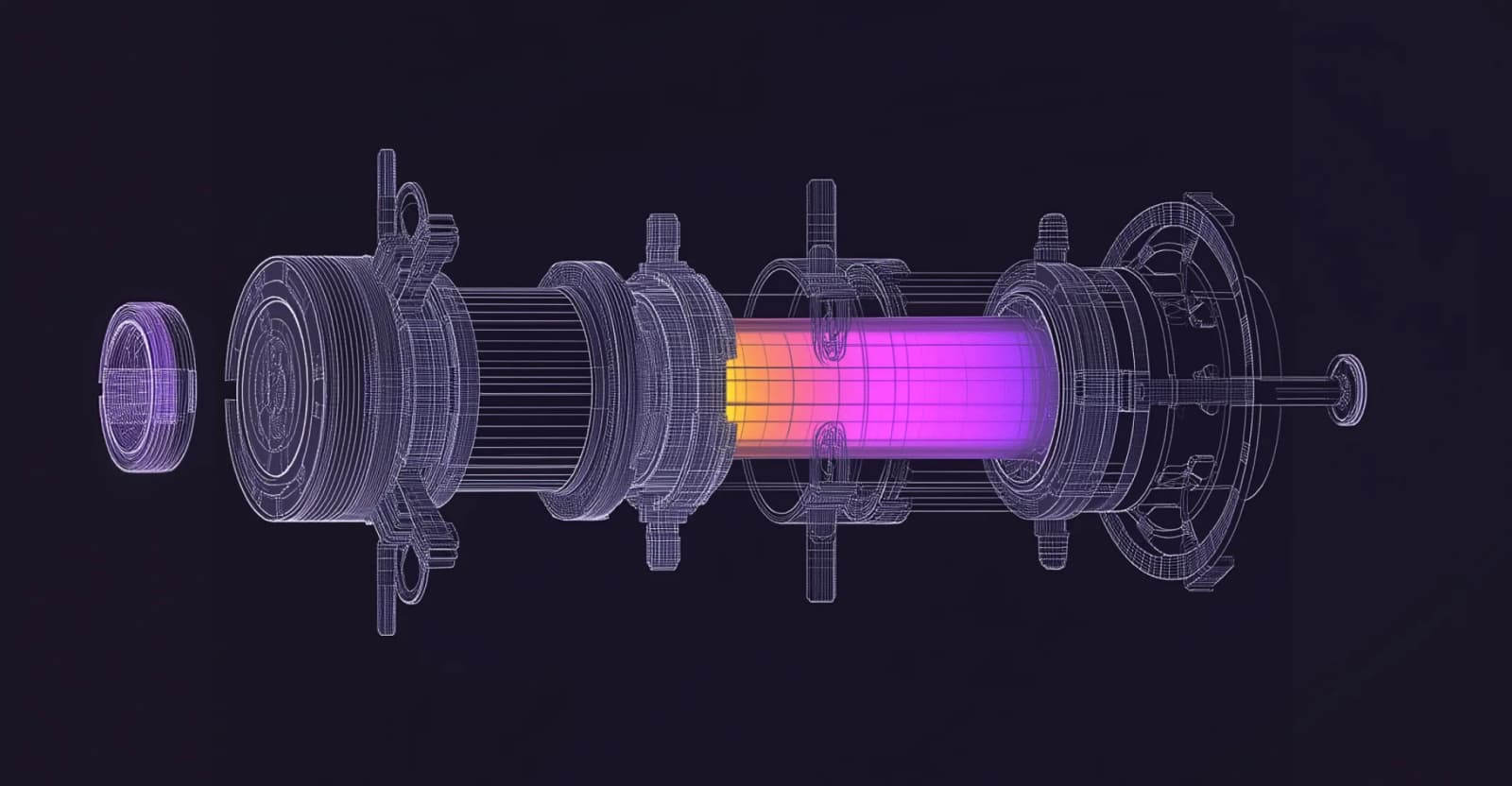
Outline a data pipeline for web events to a data warehouse
Tests end-to-end streaming design from web clients to warehouse. Strong answers list five stages: client capture, broker buffering, stream processing, object storage, and warehouse load. Red flag: proposing only batch cron jobs or ignoring schema registries.

Design anonymous-to-authenticated user journey stitching for ROI
Tests identity resolution and privacy-compliant attribution. Strong answers cover first-party UUID stitching, consent-gated probabilistic matching, async CDP merge, and TTL deletion. Red flag: treating anonymous IDs as non-personal data or skipping consent.
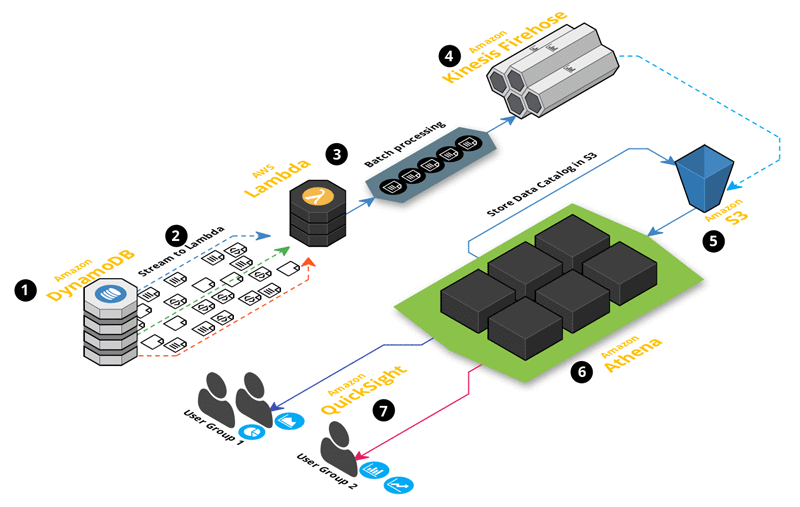
Design a real-time top-10 dashboard for a global news site
Stream ingestion, windowed aggregation, Redis top-N cache, and TTL eviction.
Multi-armed bandit vs A/B testing for headlines
Bandits shift traffic toward winners using updated per-arm reward state; A/B holds fixed splits until a fixed-horizon decision.

What HTML attributes and elements make a banner accessible to screen readers?
This tests semantic HTML for decorative and informative images. A strong answer names img alt, heading levels, and a landmark region such as aside with aria-label. A red flag is relying on CSS or divs without text alternatives.

Describe the technical steps for displaying and enforcing a cookie consent banner.
Tests privacy-first frontend architecture. Outline: check consent record, render banner if absent, classify scripts as essential or non-essential, persist choice, and inject tracking only after explicit opt-in.
Accessibility pitfalls in SPAs and programmatic fixes
Cover route-change focus reset, ARIA live regions, semantic landmarks in dynamic markup, and keyboard trap prevention.

Display a dynamic uptime claim without hurting Core Web Vitals
Tests separation of data and rendering paths for dynamic claims. Pre-compute the metric in a background job, cache at the edge, and inject via SSR to avoid blocking the main thread. A red flag is synchronous DB lookups or CSR that delays interactivity.
Design a copyright detection system for video uploads
Tests scalable content-identification design. Strong answers cover event-driven ingestion, perceptual hashing and audio fingerprinting versus a reference index, plus tiered enforcement. Red flag: MD5 or pixel-perfect matching that fails after re-encoding.
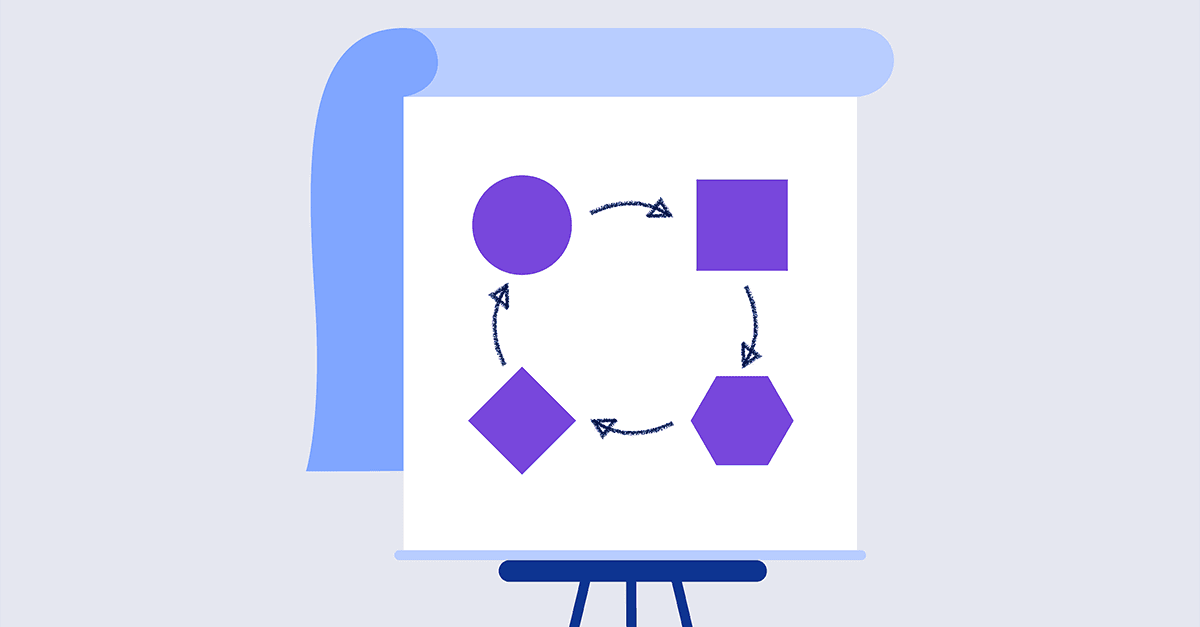
How do you consolidate scattered feedback and track document revisions?
Your ability to turn chaos into a structured approval workflow. A strong answer covers triage into one source of truth, owner assignment per revision, and tracking tools. Red flag: manual consolidation without version control or deadlines.

Design a scalable documentation system for three engineering teams
Tests prioritization and process design for a sole writer supporting three engineering teams. Strong answers use tiered intake with SLAs, a public Kanban board, and async status updates. Red flag: ad-hoc prioritization through Slack DMs with no queue.

Design an automated system to validate tutorial snippets against new releases
Separate API docs from other snippets; run CI on new dependency versions; inject secrets via hooks.

What metrics prove documentation business impact and how do you instrument?
Tests tying docs to revenue and costs. Strong answers present acquisition (dev signups, quickstart rate), adoption (endpoint breadth, trial conversion), and deflection (support tickets) via event instrumentation and CRM joins.
How would you structure API docs and tools for reference and narrative?
Tests if you separate auto-generated reference from narrative guides. Strong answers pair OpenAPI/Swagger endpoints with hand-written getting-started tutorials and conceptual overviews in a docs-as-code static site.

Design a system to measure technical content deflection
Tests causal attribution of content on tickets. Answers must unify identity, correlate topics with NLP, compute deflection as self-service resolutions over total intent, and validate outcomes.
Architect a developer-portal personalization engine
A user profile of role and level, content tagged with the same taxonomy, a matching/ranking layer, and a rendering pipeline ordering tutorials.