All bites
The whole library, newest first. Filter by what you are here for, or pick a topic if you already know.
4330 bites
Page 176
Describe your role as an engineer in story refinement
Mention feasibility probes, acceptance criteria checks, and splitting for forecast clarity.
Describe your role in user story refinement.
This tests your understanding of refinement as a collaborative de-risking process. A great answer details your role in clarifying requirements, identifying technical risks, breaking down work, and providing estimates. A red flag is passively receiving tasks.
What is an engineer's role in story refinement?
Tests your role in translating needs to tech specs. A great answer covers clarifying questions, task breakdown, sizing, and acceptance criteria. A red flag is passively waiting for tasks instead of proactively de-risking the work.
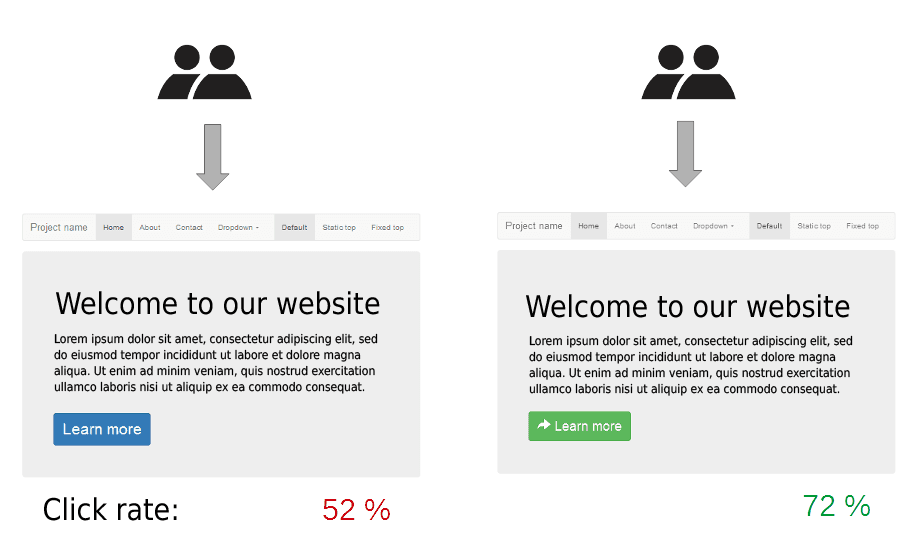
How would you implement an A/B test for a redesigned dashboard?
Tests experiment rigor: randomize stable user buckets, pick one primary metric and guardrails like latency, pre-calculate sample size and runtime with a minimum detectable effect, and validate via backend logging.
How would you A/B test a redesigned dashboard?
Tests translating a vague goal ('more engagement') into a concrete engineering plan. A good answer defines key metrics first, then outlines user bucketing, instrumentation, and statistical analysis.
How would you A/B test a redesigned dashboard?
This tests your ability to translate a product goal into a technical plan. A good answer defines "engagement" with metrics, outlines the bucketing and instrumentation strategy, and discusses statistical significance.
How do you differentiate an MVP from a throwaway prototype architecturally?
Distinguish by user commitment; define bounded contexts with stable interfaces; favor reversible decisions and day-one observability.
MVP vs. Throwaway Prototype: Technical Differences
This tests your understanding of Minimum Viable Architecture (MVA). Differentiate by intent: a prototype is a throwaway concept test, while an MVP is a sustainable first version built on an MVA. A red flag is describing a sacrificial architecture for an MVP.
Differentiating an MVP from a throwaway prototype
Tests your grasp of strategic technical investment. Differentiate by intent: an MVP is the first version, a prototype is disposable. A great answer introduces Minimum Viable Architecture (MVA) to support future needs.
How do you adapt in-progress work when feedback invalidates a key assumption?
Alert the PO, renegotiate Backlog if the Goal is at risk, use feature flags to isolate invalidated logic.
How do you adapt when user feedback invalidates your current sprint?
This tests your ability to connect process to technical strategy under pressure. A great answer involves immediately notifying the Product Owner, quantifying the impact, and proposing technical pivots like feature flagging.
How to handle user feedback that invalidates your current sprint's work?
Tests your grasp of Scrum's adaptation principle. A great answer involves immediately notifying the Product Owner, assessing Sprint Goal impact, and proposing technical pivots like feature flagging. A red flag is continuing to build the invalidated feature.
How would you measure a launched feature's success and impact?
This tests if you link code to business outcomes via agile metrics. A strong answer covers value, quality, satisfaction; names metrics like velocity or cycle time; and uses reports to track progress. Red flag: defining success purely by uptime or bug counts.
How would you measure the success and impact of a new feature?
This tests your ability to connect engineering work to business value. A strong answer defines success metrics upfront, instruments code for quantitative data like adoption rates, and gathers qualitative feedback.
How do you measure a new feature's success beyond bugs and uptime?
Tests if you connect engineering to business value. A great answer links success to the feature's original goals, proposes user behavior and business impact metrics, and names specific tools.
Pushing back on a costly, low-value feature
Estimate cost in engineer-weeks, size the expected value, frame it as cost-per-unit-of-value, then propose a cheap experiment to test the hypothesis first.
Quantify and communicate a feature's cost/benefit trade-off
Tests your ability to influence product decisions with data. Quantify engineering cost (time, complexity, risk), then propose cheaper experiments like an MVP or fake door test to validate the hypothesis first.
Handling a High-Cost, Low-Value Feature Request
Tests your ability to influence product using data and lean principles, not just technical objections. Quantify cost in engineer-weeks, ask for value metrics, then propose cheaper experiments (e.g., a fake door test).
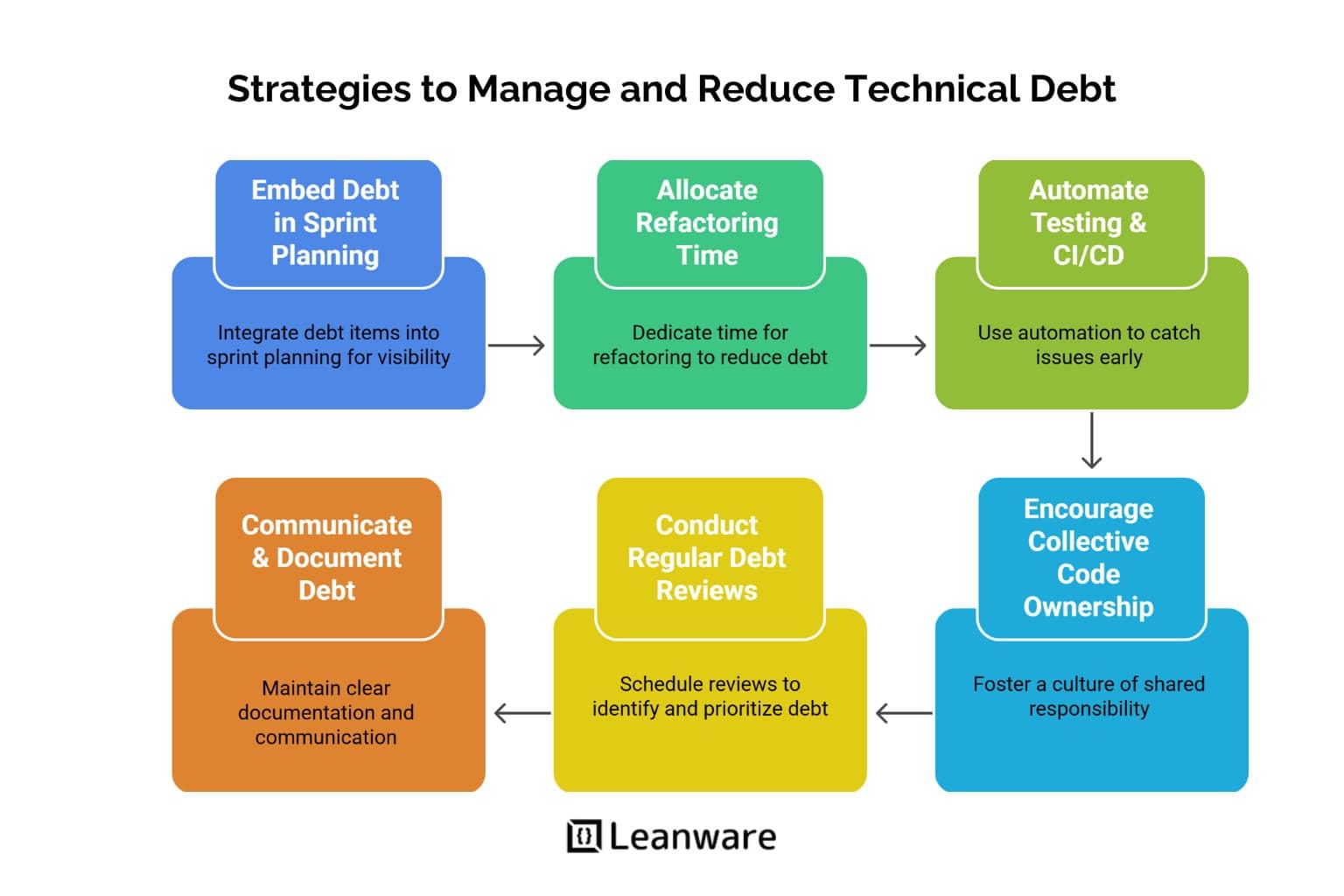
Describe a framework to strategically manage tech debt during product discovery
This tests strategic debt tradeoffs under speed pressure. A strong answer classifies debt by interest, caps MVP debt with guardrails, and reserves fixed sprint capacity for repayment. Red flag: vilifying debt or deferring cleanup without triggers.
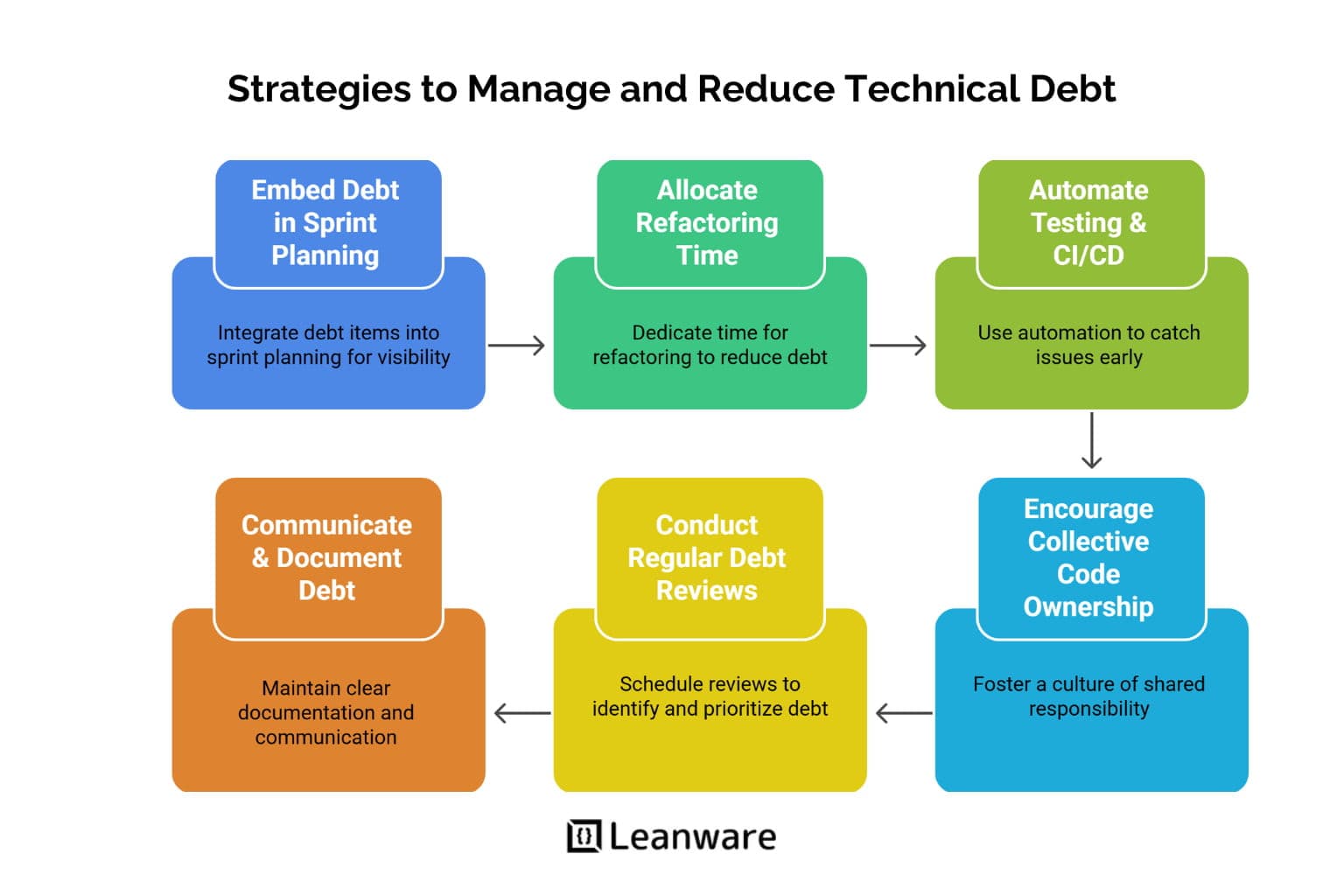
How do you strategically manage tech debt during product discovery?
This tests your strategic view of tech debt. A great answer defines intentional vs. unintentional debt, outlines a framework for tracking and repayment (like a debt backlog), and explains when it's a valid tool for MVPs.