All bites
The whole library, newest first. Filter by what you are here for, or pick a topic if you already know.
8667 bites
Page 377

Ghostwriting Agreement: Who Owns the Words?
A ghostwriting agreement legally transfers authorship from the writer to a credited person. It's used when an expert has ideas but not the time or skill to write, ensuring the final work is legally theirs.
Statement of Work (SOW): Defining 'Done' for a Project
An SOW is the project's blueprint, translating a goal into a concrete plan of activities, deliverables, and timelines. It's used when engaging vendors to ensure both sides agree on the scope. The footgun: a vague SOW invites scope creep and disputes.
Beyond Per-Word: A Framework for Setting Freelance Rates
Price your work based on value, not just word count. Rates vary widely by service (editing vs. consulting), genre, and your expertise. This applies when quoting any project.
Hiring Writers: Freelance vs. In-House
Choosing between freelance and in-house writers is a strategic trade-off. Freelancers offer cost-effective, specialized talent on demand, while in-house writers provide deep brand knowledge and consistent availability.
The Byline: Attributing Work to its Author
A byline is the author's signature on an article, giving them credit and accountability. You see it between the headline and body text of news stories, magazine features, and blog posts.

Invoice: The Official 'Please Pay Me' Document
An invoice is your official request for payment after delivering work. Freelancers and businesses use it to bill clients for services, listing what was done and how much is owed. The footgun is confusing it with a receipt, which confirms payment has been made.

Writing Portfolio: Your Resume for Creative Work
A writing portfolio is your professional storefront, showing clients not just what you can write, but how you solve their problems. It's essential for landing freelance gigs or full-time jobs.
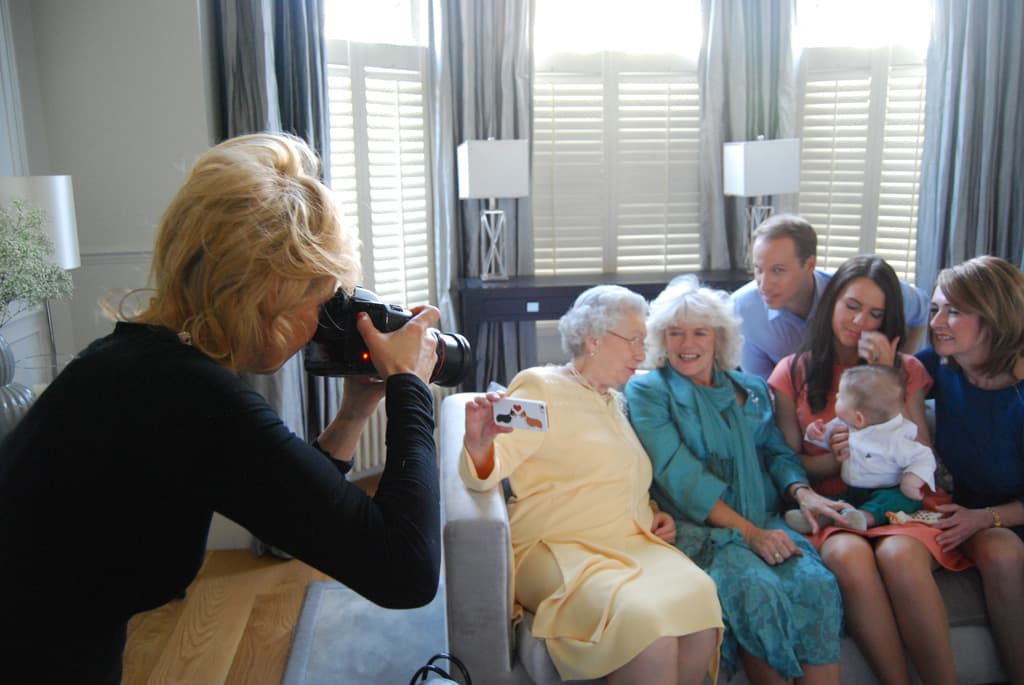
Right of Publicity: Your Identity as Property
The right of publicity treats your identity—your name, image, and likeness—as commercial property. This is why brands need permission to use a celebrity's face in an ad. The footgun is confusing it with privacy; this is about commerce, not intrusion.
Defamation in Writing (Libel)
Defamation is any written communication that harms a third party's reputation, honor, or dignity, potentially leading to legal action. This applies to all published content, from articles to social media. The footgun is assuming truth is an absolute defense.
CCPA & CPRA: California's Consumer Privacy Rules
Think of CCPA/CPRA as giving California consumers a remote control for their personal data. It forces businesses to honor user requests to know, delete, correct, or stop selling their info.
Native Advertising Disclosures
Native advertising disclosures are the clear labels, like Sponsored or Ad, that must appear on content designed to blend into a publisher's normal articles or feed, so readers can tell paid promotion from independent editorial before they engage with it.
WCAG: The Technical Standard for Web Accessibility
WCAG is the technical rulebook for making web content usable by people with disabilities. It provides testable criteria for websites and apps, often required by law. The footgun is aiming too low; Level AA is the standard target, not just Level A.
CAN-SPAM Act: The Rules for Commercial Email
The CAN-SPAM Act sets the rules for commercial email, not blocks it. It requires clear identification as an ad, a physical address, and an easy opt-out method. The law applies to all promotional emails, not just bulk campaigns.
Truth in Advertising: Claims Must Be Substantiated
Don't just say it, prove it. Advertising claims must be truthful, not misleading, and substantiated with evidence *before* you publish. This applies to all ads, from product performance claims to influencer endorsements.

Creative Commons: Granting Permissions Beyond 'All Rights Reserved'
Creative Commons licenses provide a standard way to grant permissions for your work, moving beyond copyright's 'all rights reserved' default. They're used on platforms like Wikipedia and Flickr to allow sharing while defining terms.

Fair Use: Using Copyrighted Work Without a License
Fair use is a legal defense, not a right, allowing unlicensed use of copyrighted work for criticism, commentary, or education. It's essential for reviews or tutorials.

Public Domain: Use Creative Works Freely
The public domain is a global library of creative works anyone can use freely. It's essential for creators needing assets like images or music without licensing fees.
Copyright: Protection is Automatic, Registration is Power
Copyright protects your specific written expression—not the general idea—the moment it's 'fixed' on paper or a screen. While protection for your book or blog is automatic, you must register with the U.S. Copyright Office to sue for infringement in court.
CLV:CAC Ratio: Is Your Customer Acquisition Profitable?
The CLV:CAC ratio tells you if you're spending too much to acquire customers. It compares the total profit a customer generates (CLV) against the cost to get them (CAC). SaaS businesses use it to gauge marketing spend. A 1:1 ratio means you're losing money.
Assisted Conversions: Giving Credit Beyond the Final Click
An assisted conversion credits any channel a user interacts with before the final one. It's like crediting the pass before the goal, showing how channels like social or organic search contribute to sales that are ultimately closed by a direct visit or ad.