Search
Find a bite, explore a topic or look for a role.
Results for “Python”
Bites 291
Multi-Model Serving: Packing More Models into Less RAM
Multi-model serving is a carpool for your ML models. Instead of one server per model, you pack many into a single process to share resources and cut costs. It's ideal for serving many models with intermittent traffic.
Model Compilation: Bridging Models and Hardware
An ML compiler translates a model's abstract math into optimized instructions for specific hardware. This lets you run the same model efficiently on cloud GPUs, mobile CPUs, or edge devices.
BentoML: Packaging Models for Production APIs
BentoML is a standardized shipping container for your ML models, packaging them into production-ready API endpoints. Use it to deploy LLMs or RAG systems without managing complex infrastructure. Its focus is purely on inference, not model training.
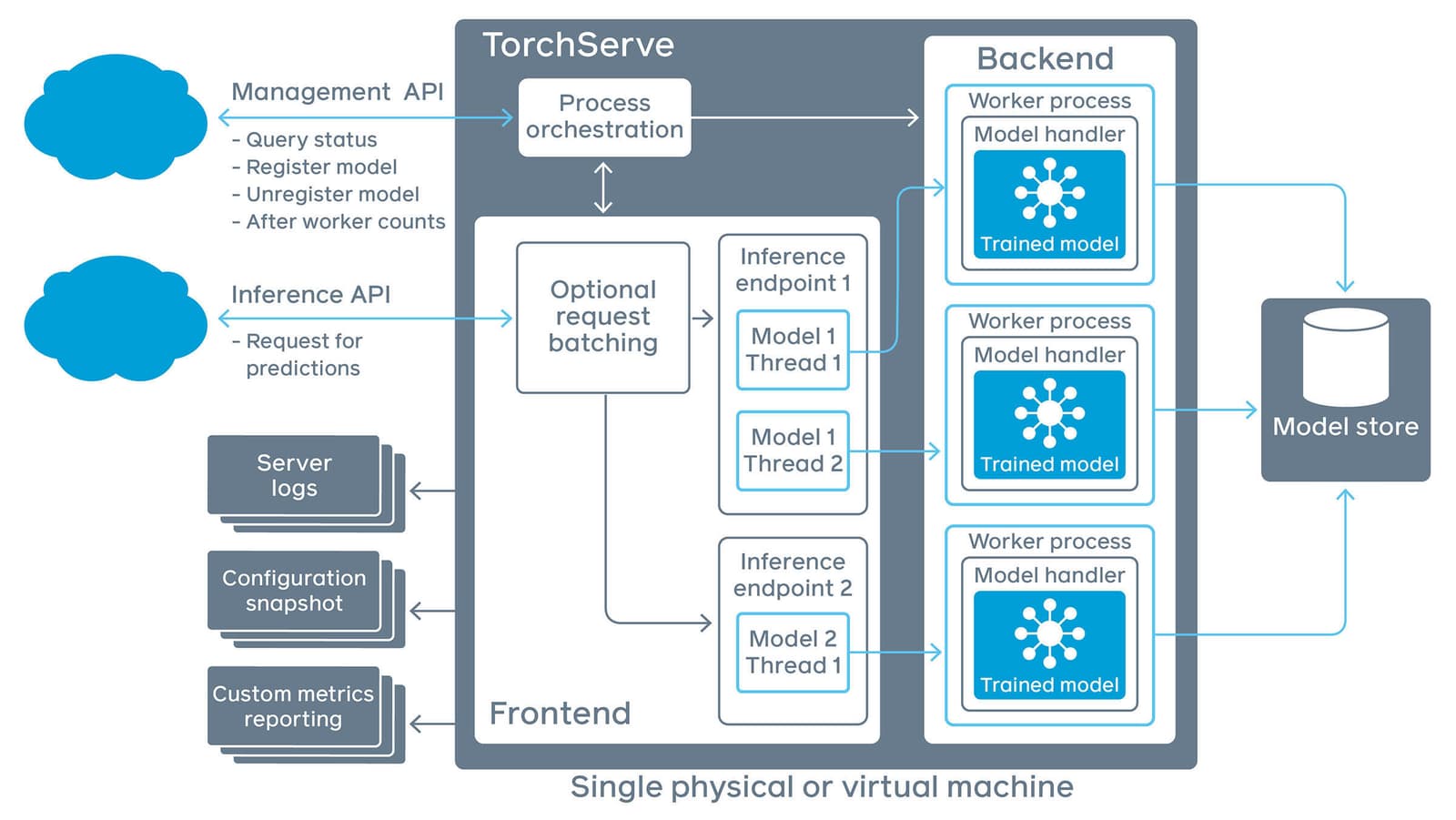
TorchServe: Serving PyTorch Models in Production
TorchServe is a web server for your PyTorch models, turning them into production-ready API endpoints. It's used to expose trained models over a network via REST or gRPC for inference, handling batching and multi-model serving.
NVIDIA Triton: A Universal AI Model Server
Triton Inference Server is like a universal remote for AI models, providing a standard API to serve models from any framework. Use it to deploy diverse models (PyTorch, ONNX) without custom serving stacks.
Automating MLOps with GitHub Actions
Treat your ML workflow like any other CI/CD pipeline. GitHub Actions automates MLOps tasks—like training, testing, and deployment—triggered by events in your repo. Use it to run validation on PRs or deploy models on merge.
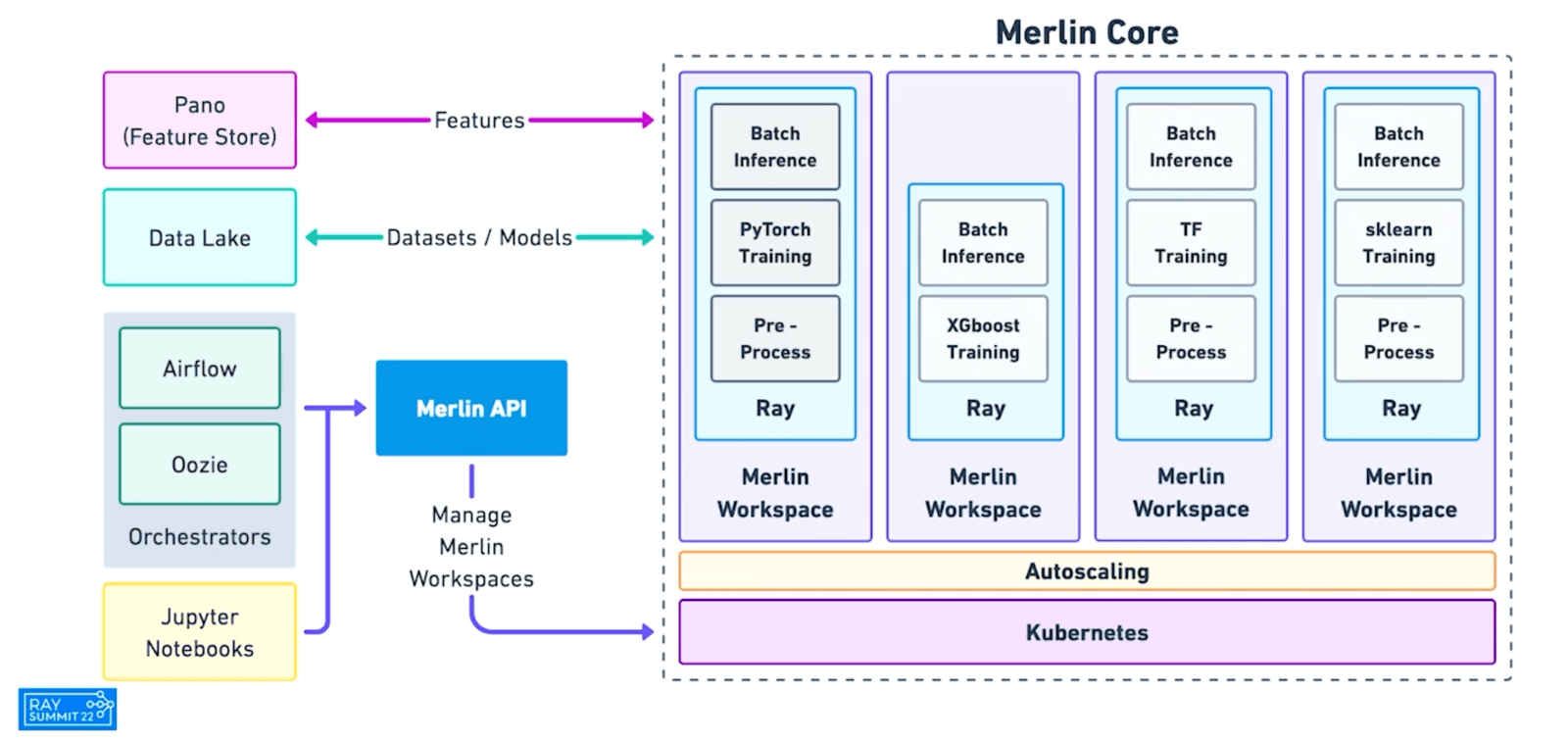
Ray AI Runtime (AIR): A Unified ML Toolkit
Ray AIR is a unified toolbox for the ML lifecycle, bundling libraries for data, training, tuning, and serving. It's for scaling end-to-end ML workflows on one distributed platform.
Nix: Reproducible Builds Through Functional Package Management
Nix treats system configuration like pure functional programming, ensuring reproducible builds by isolating every package into a unique, immutable path. It's used for reliable CI/CD and consistent dev environments. The footgun is its steep learning curve.
Multi-stage Docker Builds: Lean Images, Fast Deploys
Build your app in one container stage and run it in another, separate one. This keeps your final Docker image lean by shipping only the compiled artifact, not the entire build environment, compilers, and source code.
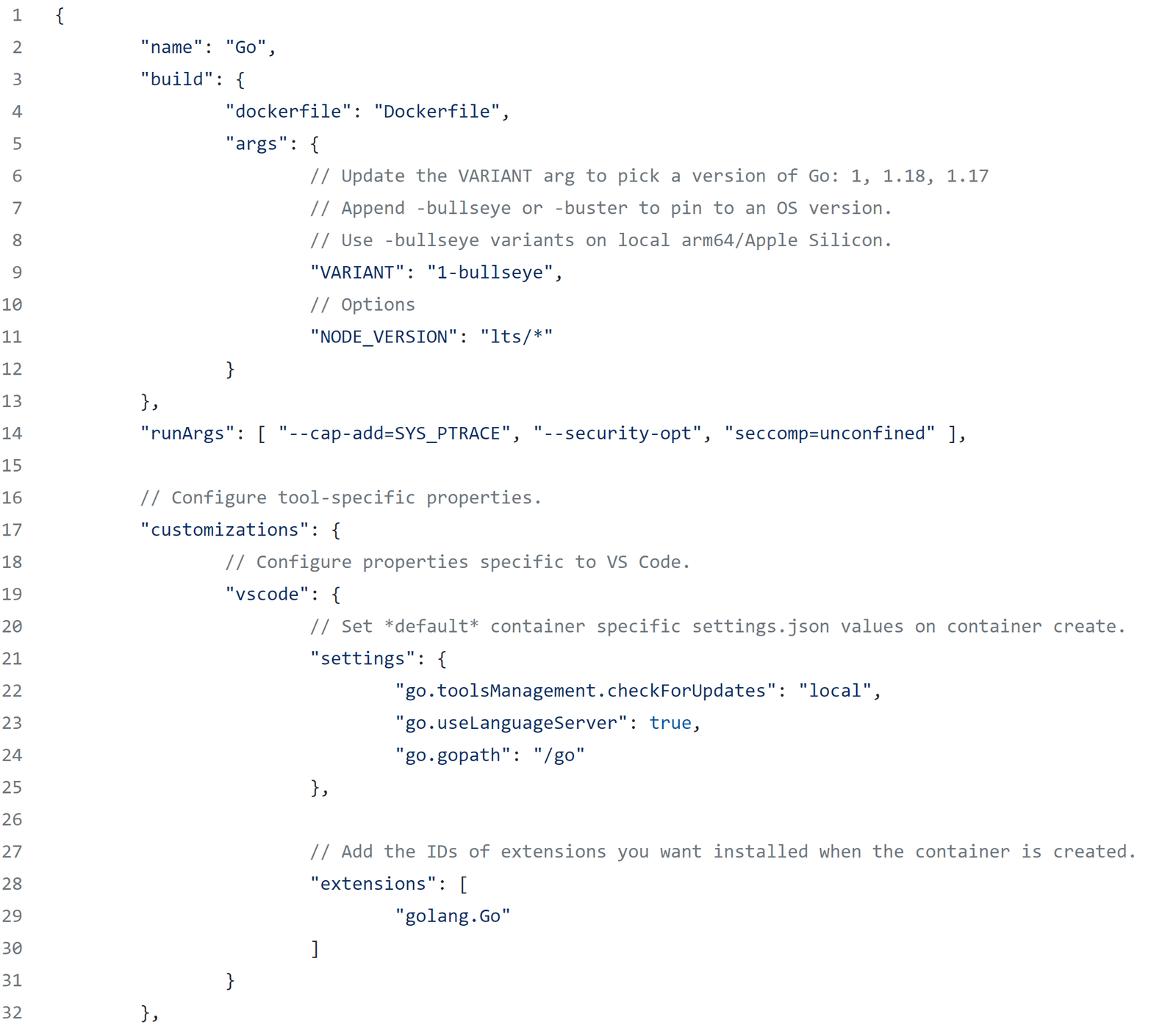
Dev Containers: Your Dev Environment as Code
A dev container packages your entire development environment—tools, libraries, and settings—into a single, portable container. Use it to standardize team environments, simplify onboarding, and ensure consistency between local dev and CI.
Hydra: Composable Configuration for Complex Apps
Hydra treats configuration like LEGOs. Instead of one monolithic file, you compose small, reusable config pieces for each run. It's ideal for ML experiments where you override settings from the command line.
Feature Definition Language: Define ML Features as Code
A feature definition language is like infrastructure-as-code for ML features. It lets you define a feature's source and schema once, then use it for both offline training and online serving, ensuring consistency.

Feature Backfilling: Populating Historical Data for ML
Feature backfilling computes a new feature's values for historical data. It's how you generate a complete training dataset after defining a new signal, like a user's 7-day purchase history. The footgun is using future data, causing data leakage.
Great Expectations: Unit Tests for Your Data
Great Expectations brings unit testing to your data, letting you assert what a dataset should look like. It validates data within a pipeline, preventing bad data from corrupting models or reports.
AI's Dual-Use Problem: Good Tools, Bad Outcomes
AI models built for good can be easily repurposed for harm. A language model that helps with coding can also generate malware. The footgun is assuming good intentions prevent misuse; the risk is in the capability, not the creator's intent.
LLMs as Tool Makers: Write Once, Solve Many
LLMs can create their own tools, not just use them. A powerful model writes a reusable function once, and a cheaper model calls it many times. This gives top-tier results at a lower cost for repetitive tasks.
Reflection: Teaching LLM Agents to Learn from Mistakes
Reflection gives an agent an "inner monologue" to learn from its mistakes. An Actor model attempts a task, an Evaluator scores it, and a Self-Reflection model generates linguistic feedback for the next try.
Model Merging: Combine LLM Skills Without Retraining
Model merging blends specialized LLMs into one, like creating a custom alloy from different metals. It's used to combine a coding expert with a legal expert, for example, without costly retraining.
Hugging Face Hub: The GitHub for Machine Learning
Think of the Hugging Face Hub as the GitHub for machine learning. It's a central platform to find, share, and collaborate on millions of models, datasets, and demo apps. Use it to download a pre-trained model or share your own.

Hierarchical AI Agents: The Org Chart for AI
Think of a corporate org chart for AI. A top-level agent breaks a big goal into smaller tasks and delegates them to specialized, lower-level agents. This is used for complex problems like automating software development. The main risk is coordination overhead.