Easy concepts in AI & ML, page 3
TensorBoard: The Dashboard for Your ML Model
TensorBoard is the dashboard for your ML model, showing what's happening inside during training. It tracks key metrics like loss and accuracy, visualizes the model's structure, and helps you debug performance. The main footgun is not logging the right data.
Web Scraping: Automating Data Collection from Websites
Web scraping is an automated copy-paste for websites. A bot browses sites and extracts specific data, like prices or articles, into a structured format. The main footgun is assuming scraping cleans the data or grants you rights to use it.

Epipolar Geometry: Finding 3D Points from 2D Images
Epipolar geometry finds a 3D point from two 2D views by constraining the search. Instead of scanning the whole second image for a match, you only look along a single line. It's key for 3D reconstruction. The footgun is assuming perfect pinhole cameras.
The Stereo Correspondence Problem: How Cameras See in 3D
The stereo correspondence problem is how computers see in 3D, like your two eyes. It involves matching the same point in a left and right image to calculate depth. This is key for self-driving cars and robotics. The footgun: textureless walls create ambiguity.
Python Virtual Environments: Isolate Project Dependencies
A Python virtual environment is a self-contained directory with its own Python interpreter and packages, preventing dependency conflicts between projects. The biggest mistake is checking the environment folder into source control; it's disposable and meant to…
Disparity Map: Seeing Depth from Two 2D Images
A disparity map is a grayscale image encoding 3D depth from two 2D images. Brighter pixels mean objects are closer, because they appear to shift more between the left and right camera views. This is key for robotics and autonomous navigation.
Supervised Fine-Tuning (SFT): Teaching a Model to Chat
Supervised Fine-Tuning (SFT) teaches a general LLM to be a helpful assistant by training it on high-quality conversations. This turns a base model into an instruction-following chatbot.
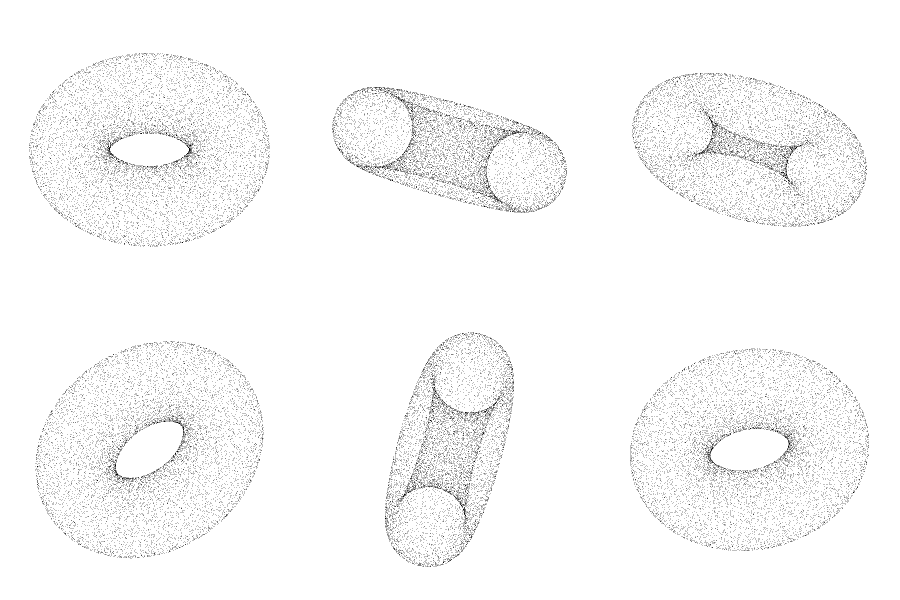
Point Cloud: A 3D Shape as a Dust Cloud of Data
A point cloud represents a 3D object as a cloud of individual data points in space. It's the raw output from 3D scanners, used to create CAD models or GIS maps. The footgun is assuming it's a solid model; it has no surfaces, only disconnected.
Catastrophic Forgetting: The AI's Amnesia Problem
Catastrophic forgetting is when an AI, trained on new information, abruptly forgets what it previously knew. It's like overwriting a file instead of appending to it. This happens when fine-tuning a model on a narrow dataset, erasing its general knowledge.
NVIDIA CUDA: General-Purpose GPU Computing
CUDA unlocks a GPU's thousands of cores for general-purpose computing, not just graphics. It's key for accelerating tasks like machine learning by running the same operation on massive datasets in parallel.
Slash ML Training Costs with Spot Instances
Spot Instances are like flying standby for compute: you get a massive discount but can be 'bumped' if someone pays full price. Use them for ML training jobs that can be paused and resumed. The footgun is using them for tasks that can't tolerate interruption.
Convolutional Layers: Finding Features Anywhere
A convolutional layer is like a flashlight sliding over an image, looking for a specific pattern like an edge or corner. It's the core of computer vision, letting networks find features anywhere.
Feature Maps: What a Neural Network 'Sees'
A feature map is the output of a filter in a neural network, highlighting where a specific pattern (like an edge or curve) appears. In CNNs, each layer generates dozens of these maps. The footgun is thinking one map sees an object, not just a.
Embedding Models: The 'Retrieval' in RAG
An embedding model acts like a librarian for your data, converting text into numerical vectors so similar concepts are grouped together. In RAG, it finds relevant documents to feed an LLM, but using the wrong model type will yield poor retrieval results.
Pooling Layers: Summarizing What Matters in an Image
A pooling layer is like squinting at an image; you lose fine detail but see the main shapes. It summarizes features in a region, reducing computation and making the model robust to small shifts.

Git-Based CI Triggers: Automating on Events
Think of Git events like push or pull_request as the "play" button for your automation. This is how CI systems automatically run tests on new code. The footgun is using broad triggers, like push on all branches, which causes costly and redundant runs.
Unit Testing ML: Beyond Standard Code Checks
Unit testing for ML isn't just about code logic; it's about checking data, models, and infrastructure in isolation. Use it to validate data transformers, check model prediction shapes, or confirm a function handles nulls.
LLM Agents: Giving Models Tools and a Plan
An LLM agent can choose a tool, inspect its result, and decide what to do next. Retrieval supplies information; an agent may use it while carrying out a task. A separate planning or memory module is not mandatory.

Data Warehouse: The Central Repository for Analytics
A data warehouse is a central repository for historical analysis, integrating data from many systems. It's used for reporting and complex queries to find business insights, not for day-to-day transactions.
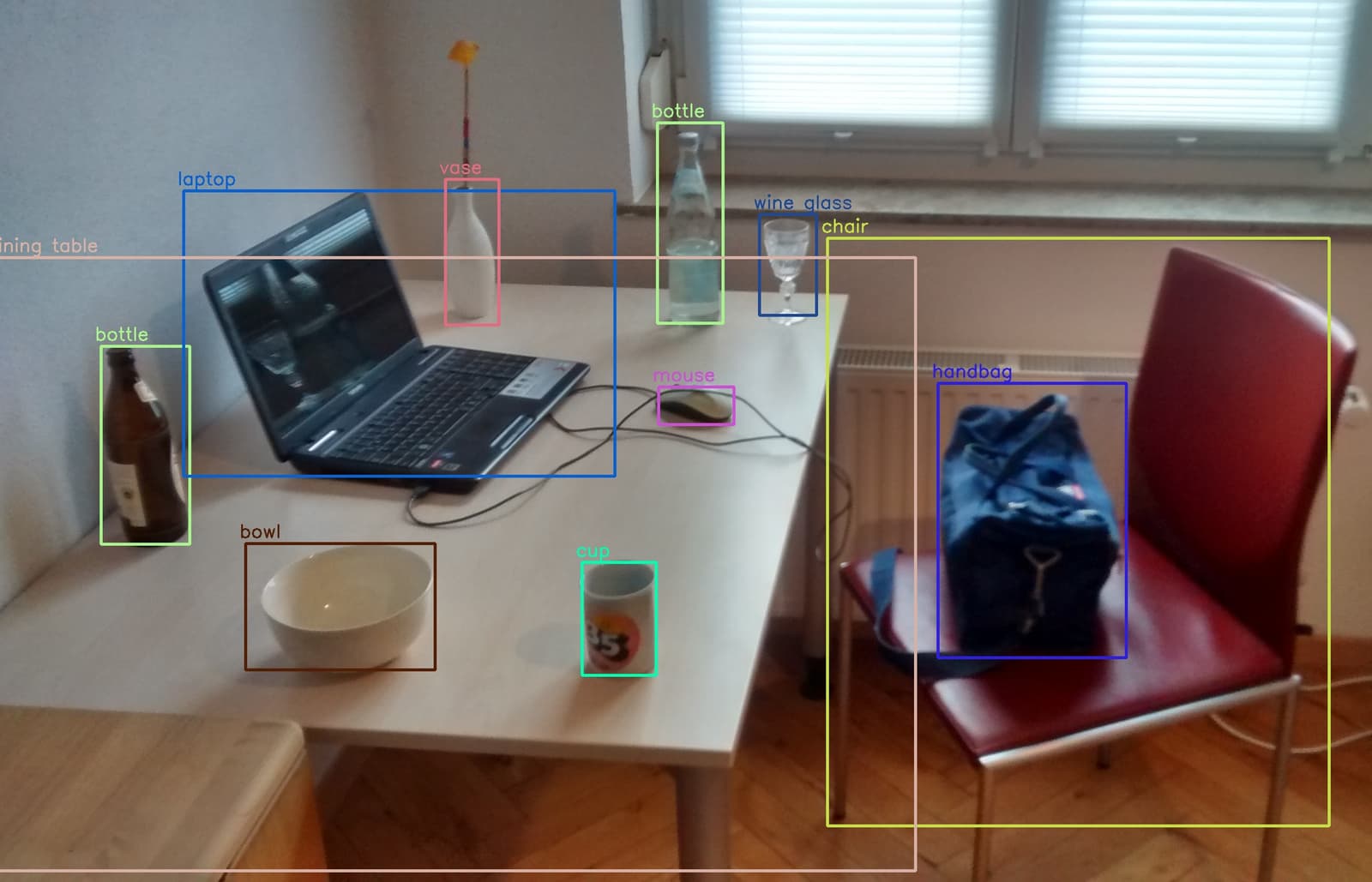
Localization vs. Detection: One Box or Many?
Object localization draws one box around an image's main object. Object detection finds and boxes *every* instance of a class, like all pedestrians. Use localization for single-subject tasks, detection for finding everything.
We are hiring for this. Every open role lists the topics its interview covers, so you can prepare for the real thing rather than guessing.
See open roles