Concepts in AI & ML, page 3
Continuous Training: CI/CD for ML Models
Continuous Training (CT) is a CI/CD pipeline for models, not code. It automatically retrains and redeploys models to fight performance decay from changing data, a problem known as 'data drift'. The footgun is deploying a new model without validating it first.
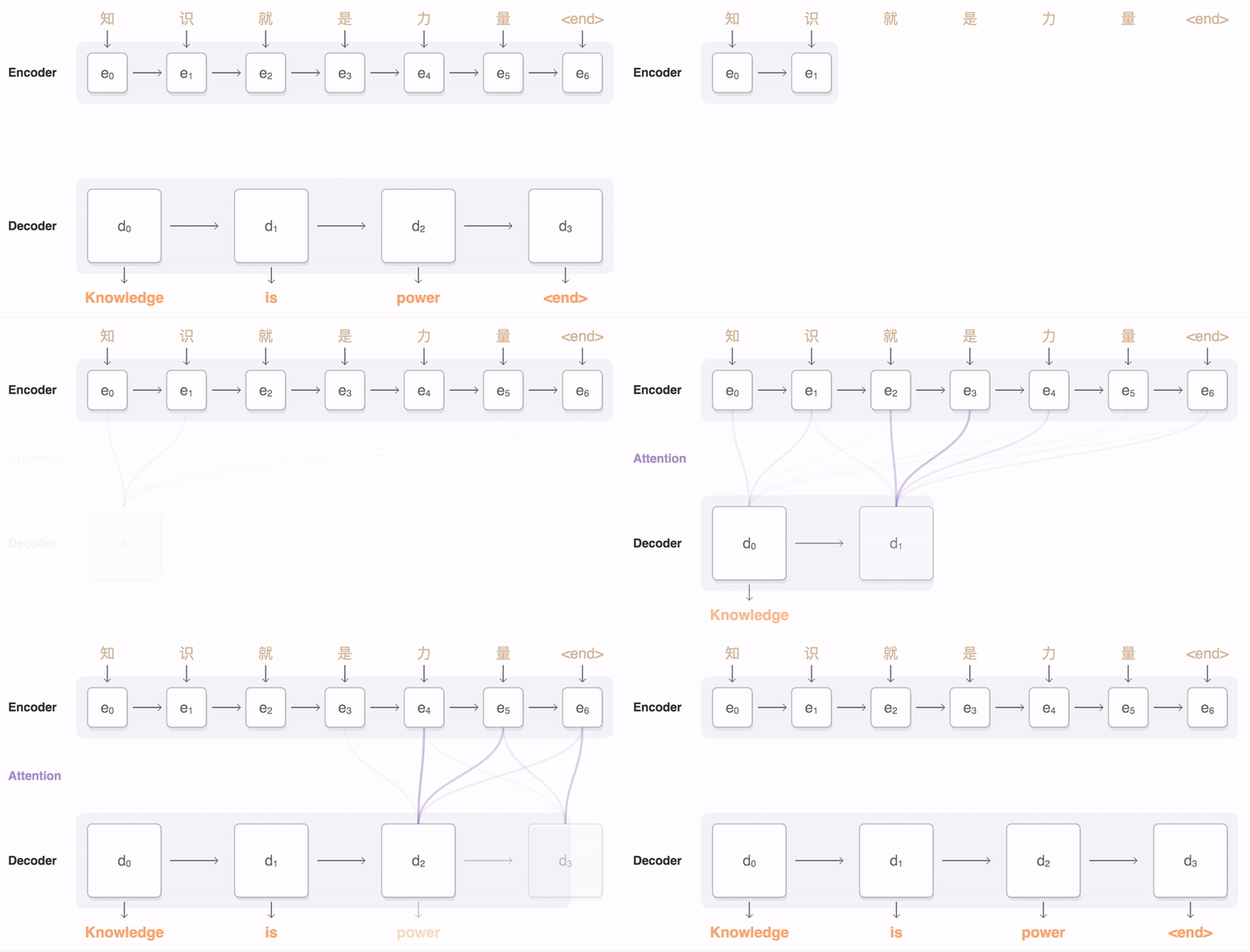
Seq2Seq: Turning One Sequence Into Another
A Seq2Seq model acts like a universal translator, reading one sequence to generate another. It's foundational for machine translation and text summarization. The main footgun is its fixed-size context vector, which can forget details from long inputs.
Causal Inference: Proving Cause, Not Just Correlation
Causal inference goes beyond correlation to ask "did X *cause* Y?". It's used to prove a new feature drove engagement or a drug improved outcomes. The main footgun is mistaking association for causation, ignoring confounding variables.
Color Depth: Bits Per Pixel vs. Bits Per Channel
Color depth is the number of bits storing a pixel's color, like a digital paint box's size. It's key for image formats and displays, affecting file size and fidelity. The footgun is confusing total bits per pixel (bpp) with bits per channel (bpc).
Data Drift vs. Concept Drift: When Models Go Stale
Your ML model's accuracy decays when the real world no longer matches its training data. This is drift. It happens when user behavior changes (concept drift) or input data distributions shift (data drift).
Uplift Modeling: Who to Target, Not Just Who Will Convert
Uplift modeling finds who to target by predicting the *change* in behavior from an action, not just the final outcome. It's used in marketing to decide who gets a discount, optimizing spend. The footgun is confusing it with a simple conversion model.
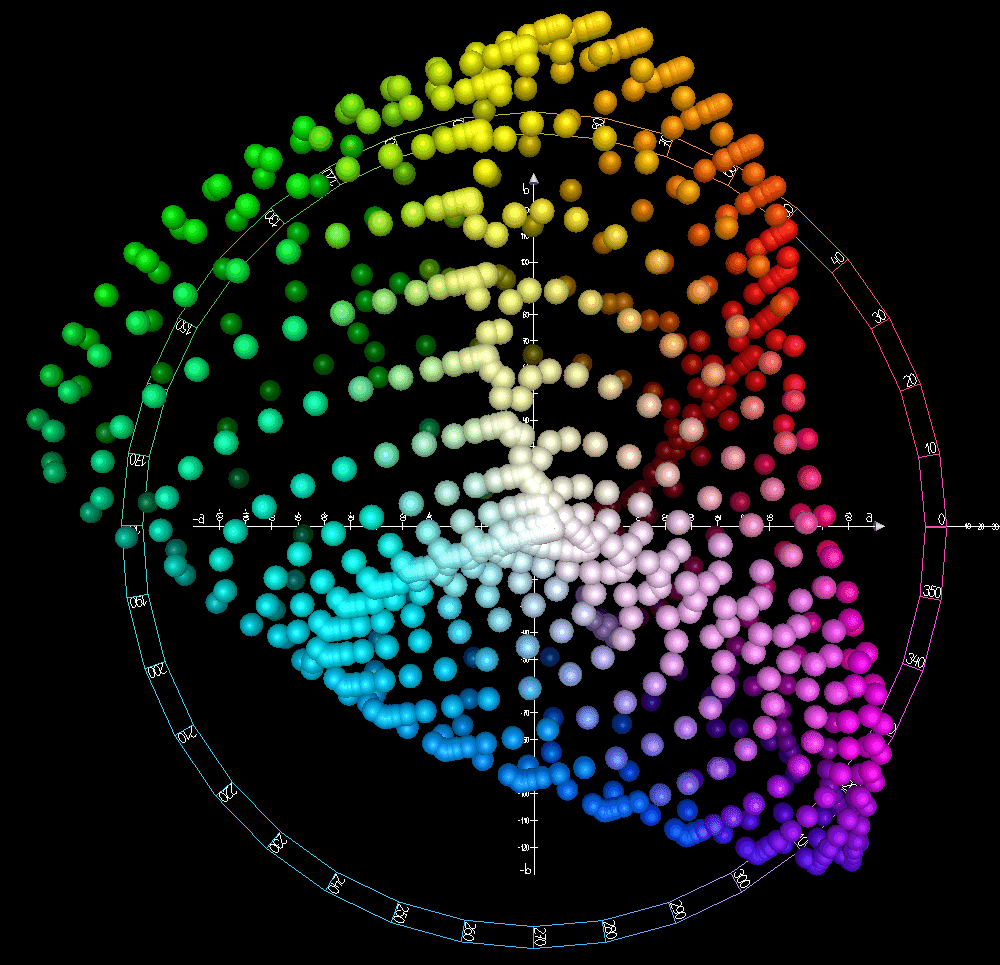
CIELAB Color Space: Measuring Color Beyond RGB
CIELAB models color not by how a screen displays it (like RGB), but by how a human perceives it: lightness, red/green, and yellow/blue. It's used in industry to measure and match colors precisely. The footgun is assuming it's perfectly 'perceptually uniform'.
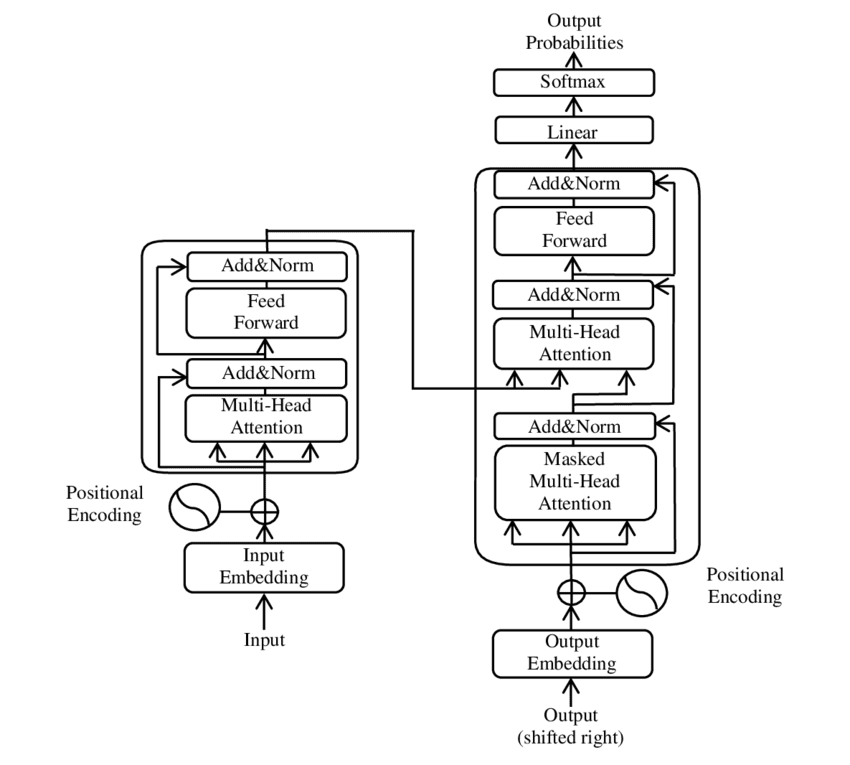
Self-Attention: The Transformer's Core Idea
Self-attention lets a model weigh the importance of different words in a sequence to understand context. This core mechanism of the transformer architecture powers LLMs for translation and generation.

Radiometry: Measuring Light as Physics, Not Perception
Radiometry measures light's physical power, not how humans perceive it. It's for objective energy measurement in computer vision or physics simulations, using watts, not lumens. The footgun is confusing it with photometry, which is weighted for human vision.
ML Metadata: The Logging Layer for ML Pipelines
ML Metadata is the logging layer for your ML pipeline, tracking every dataset, hyperparameter, and model version. It's crucial for debugging failed runs by tracing a model back to its exact data.
Residual Connections & Layer Norm: The Transformer's Stabilizers
Residual connections are shortcuts that let information bypass layers, while Layer Normalization rescales a layer's outputs. Together, they prevent training from breaking in very deep networks like Transformers, enabling signals to flow without vanishing.

BRDF: Modeling How Surfaces Reflect Light
A BRDF is a function that describes a surface's appearance by defining how it reflects light from any incoming direction to any viewing direction. It's used in rendering engines to create materials like brushed metal or velvet.
Data Lake vs. Data Warehouse: Raw vs. Refined Data
A data lake is a vast pool of raw data; a data warehouse is a library of refined data ready for analysis. Lakes store everything for future ML or data science; warehouses power BI reporting on clean metrics.
Cross-Attention: How Models Connect Two Ideas
Cross-attention lets a model, like a translator, focus on relevant parts of an input (e.g., a sentence) to generate an output (the translation). It's used in machine translation and image captioning. The footgun is confusing it with self-attention.

Vector Spaces: A Playground for Vectors
A vector space is a collection of vectors with strict rules for how they can be added or stretched. It's the foundation for linear algebra, used in graphics and physics. The footgun: not every set of vectors forms a valid space.

Bayer Filter: Faking Full Color with a Filter Grid
A Bayer filter is a hack for capturing color with one sensor: a checkerboard of red, green, and blue filters is placed over the sensor grid. This is how most digital cameras work. The footgun is that the raw output must be 'demosaiced' to create.

ETL: Extract, Transform, Load
ETL moves data through three phases from sources to containers. It handles one or more inputs and outputs via software that automates the process on recurring schedules or in batches. The footgun is defaulting to manual runs when automation is typical.
Transformer Preprocessing: From Text to Tensors
Transformers don't read text; they read numbers. A tokenizer is the translator, converting sentences into numerical tensors the model understands. This is the mandatory first step for any NLP task. The footgun is using a tokenizer that doesn't match the model.
Bayes' Theorem: Updating Beliefs with Evidence
Bayes' Theorem updates your belief in a cause after seeing new evidence. It's used in medical diagnostics to interpret test results and in spam filters. The common footgun is ignoring the base rate—how likely the cause was *before* the evidence appeared.
Grayscale Conversion: Seeing in Shades of Gray
Grayscale conversion simplifies an image by removing color, representing each pixel's brightness as a single value. It's a key preprocessing step in computer vision for tasks like OCR, where shape matters more than color.
We are hiring for this. Every open role lists the topics its interview covers, so you can prepare for the real thing rather than guessing.
See open roles