Easy everything in AI & ML, page 7
What metrics track e-commerce user engagement and how do you prioritize them?
Track product discovery, add-to-cart, checkout, purchase, repeat purchase, and engagement signals; prioritize by conversion, revenue, retention, and customer value.
What is an image histogram and how does histogram equalization improve contrast?
Define a histogram as pixel counts per intensity; explain equalization normalizes the CDF to spread intensities across the full range.

How would you implement a simple box blur on a grayscale image?
Iterate interior pixels, sum the N by N neighborhood, divide by kernel area, write to a new buffer.

Describe a grayscale histogram and its use in exposure and equalization
Tests pixel distribution intuition. A strong answer covers intensity bin counts, left or right clustering for exposure errors, and CDF-based redistribution for equalization. Red flag: calling equalization min-max stretching without cumulative mapping.

What is the difference between lossy and lossless image compression?
This tests irreversible discard versus perfect reconstruction. A strong answer defines lossy as dropping detail, lossless as fully reversible, names JPEG, PNG, and chooses lossless for masters, lossy for web. Red flag: claiming lossless is always smaller.

Cloud Pricing: On-Demand, Reserved, and Spot Instances
Cloud pricing is like booking a flight. Pay full price for flexibility (On-Demand), get a discount for committing (Reserved), or bid on empty seats for a huge discount but risk getting bumped (Spot). This choice dictates your infrastructure cost.
Cloud Cost Allocation: Making Teams Own Their Spend
Cloud cost allocation answers "who pays for what?" by assigning every dollar of your cloud bill to a team or project. It uses metadata like tags and account structures to create showback reports.
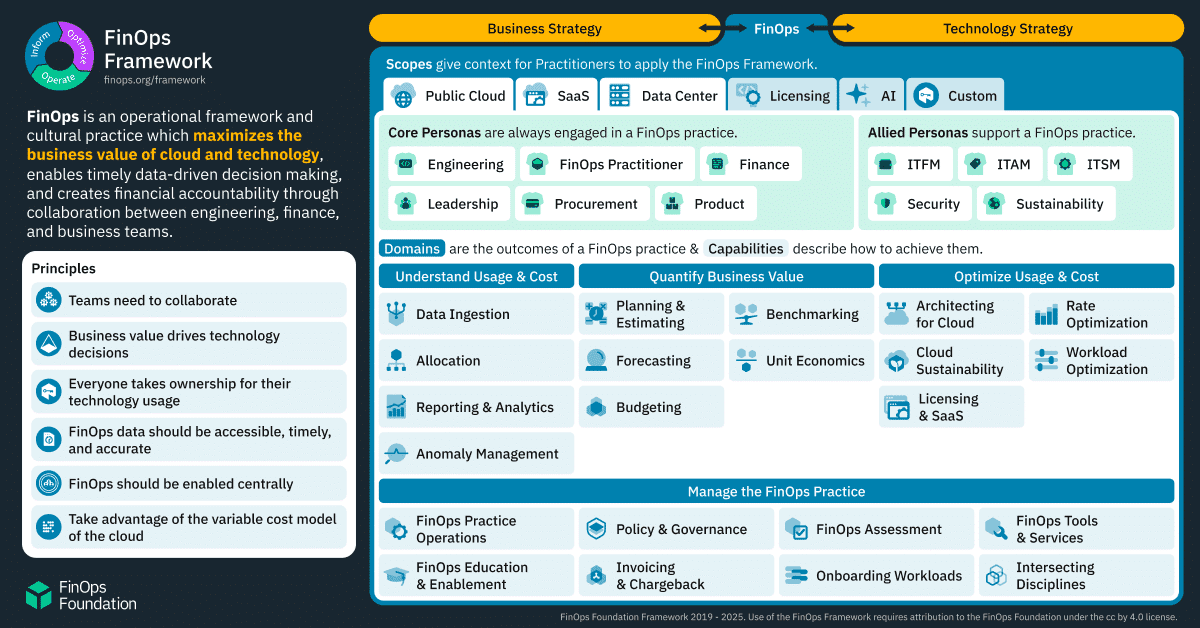
FinOps: Making Cloud Costs Everyone's Job
FinOps makes cloud cost a shared responsibility between engineering, finance, and business teams. It applies the variable, on-demand nature of the cloud to financial accountability.

Model Interpretability vs. Explainability
Interpretability means a human can grasp a model's logic (e.g., a simple decision tree). Explainability is stronger: it's about why the model made a *specific* choice. This is key for debugging or justifying high-stakes decisions.
RBAC for MLOps: Who Can Do What?
RBAC assigns permissions to roles, not people. You create roles like 'Data Scientist' with specific permissions (e.g., access training data), then assign users to that role.

Azure Machine Learning: A Service on Microsoft's Cloud
Microsoft Azure is a general-purpose cloud platform for building applications. It provides the global infrastructure and tooling support upon which specialized services, like Azure Machine Learning, are built.

MLaaS: Your Machine Learning Lab in the Cloud
Machine Learning as a Service (MLaaS) provides the key ingredients for ML—data, compute, and expertise—as a cloud service. This lets teams build models for forecasting or spam detection without buying expensive hardware.

PaaS: The Managed Platform for Building Applications
PaaS gives you a ready-to-use development environment, handling the OS and middleware so you can just code. It's used to accelerate app development for web, IoT, or ML. The main footgun is vendor lock-in, making future platform migrations difficult.
Workflow Engine: The Conductor for Your Business Logic
A workflow engine conducts your business logic, ensuring complex tasks run in the right order. It's for multi-step processes like order fulfillment or data pipelines. The footgun is building one from scratch—you'll poorly reinvent state management and retries.

Inference Throughput: How Many Predictions Per Second?
Inference throughput measures how many predictions your system can make per second, not how fast a single one is. It's the system's total capacity, critical for high-volume tasks like recommendation engines. The footgun is confusing it with latency.
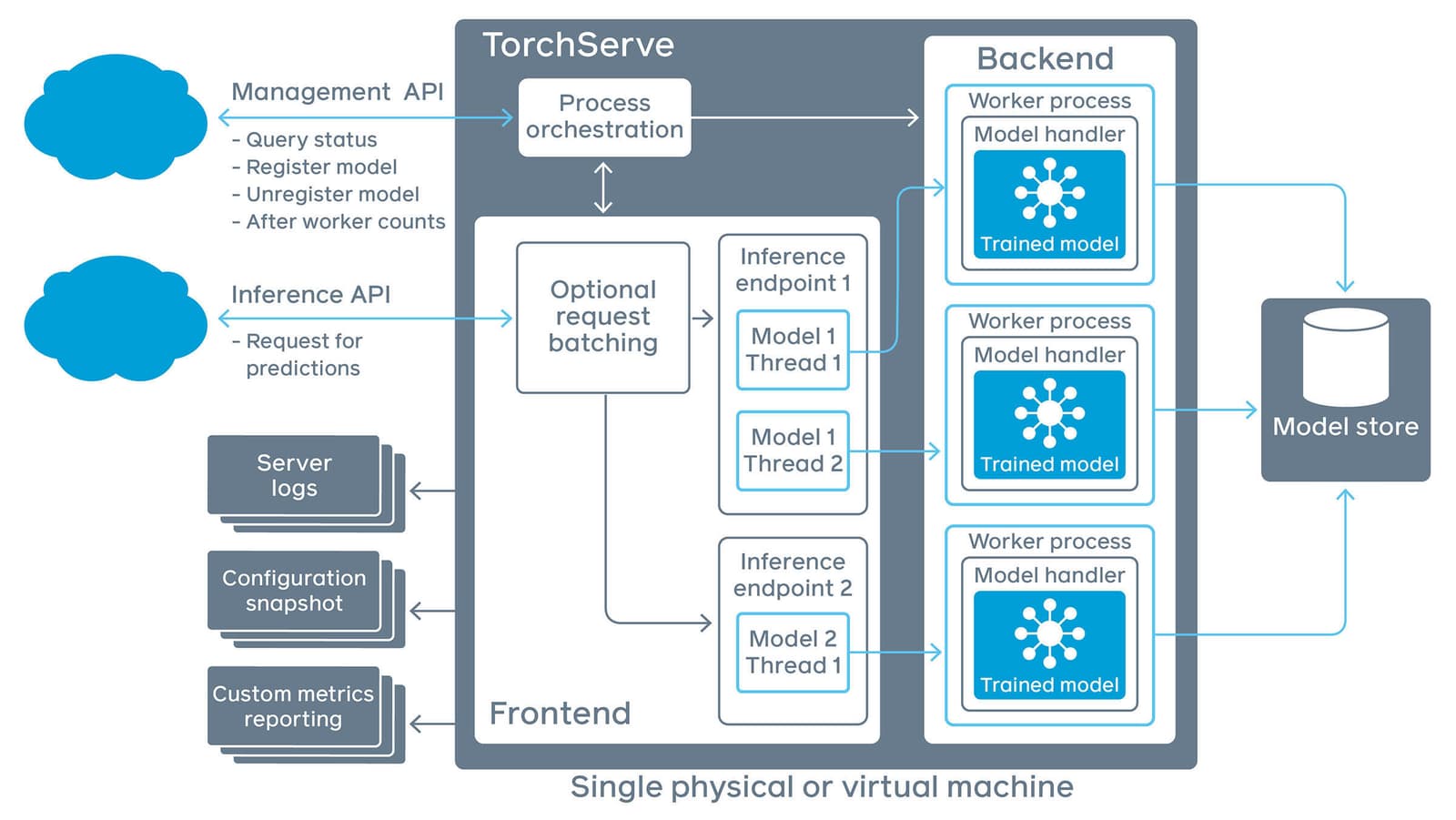
TorchServe: Serving PyTorch Models in Production
TorchServe is a web server for your PyTorch models, turning them into production-ready API endpoints. It's used to expose trained models over a network via REST or gRPC for inference, handling batching and multi-model serving.
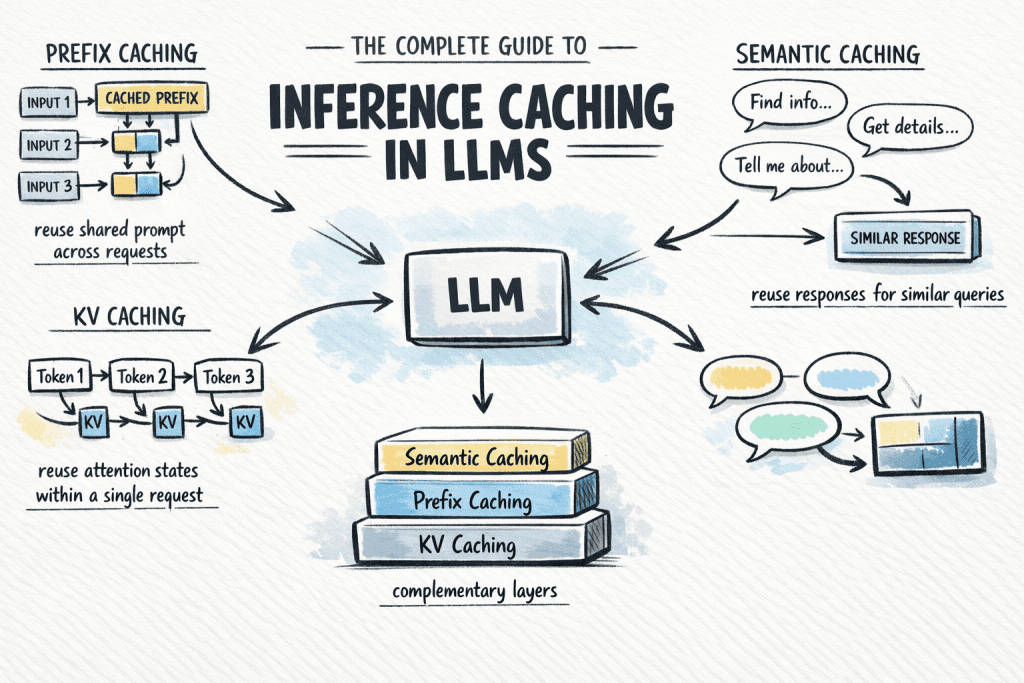
LLM Inference Caching: Pay for Computation Once
LLM inference caching reuses past computations to cut costs and latency. It avoids reprocessing shared system prompts or serves full answers for common queries without hitting the model. The footgun: semantic caches can return a "similar" but incorrect answer.

Load Balancing for Model Serving
A load balancer is a traffic cop for your AI model's API, directing requests to multiple model copies to prevent overload. It's essential for production systems to ensure high availability. The footgun is forgetting health checks, causing failed requests.
Batch Inference: High Throughput, Not High Speed
Think of batch inference as processing a day's mail at once, not as each letter arrives. It trades immediate answers for cost-effective, high-volume predictions, like generating daily product recommendations. The footgun is using it for real-time needs.
Online Inference: Predictions on Demand
Online inference is a vending machine for predictions: you make one request and get one result back immediately. It powers real-time features like fraud detection or content moderation.
We are hiring for this. Every open role lists the topics its interview covers, so you can prepare for the real thing rather than guessing.
See open roles