Easy everything in AI & ML, page 9
Generative Inpainting: Filling in the Blanks with AI
Generative inpainting is like Photoshop's 'Content-Aware Fill' on steroids. It uses AI to reconstruct missing or unwanted parts of an image, perfect for removing objects or repairing old photos.
LLM Agents: Giving Models Tools and a Plan
An LLM agent can choose a tool, inspect its result, and decide what to do next. Retrieval supplies information; an agent may use it while carrying out a task. A separate planning or memory module is not mandatory.
Embedding Models: The 'Retrieval' in RAG
An embedding model acts like a librarian for your data, converting text into numerical vectors so similar concepts are grouped together. In RAG, it finds relevant documents to feed an LLM, but using the wrong model type will yield poor retrieval results.
Catastrophic Forgetting: The AI's Amnesia Problem
Catastrophic forgetting is when an AI, trained on new information, abruptly forgets what it previously knew. It's like overwriting a file instead of appending to it. This happens when fine-tuning a model on a narrow dataset, erasing its general knowledge.
Supervised Fine-Tuning (SFT): Teaching a Model to Chat
Supervised Fine-Tuning (SFT) teaches a general LLM to be a helpful assistant by training it on high-quality conversations. This turns a base model into an instruction-following chatbot.
Zero-Shot Prompting: Ask, Don't Show
Zero-shot prompting is asking an LLM to do a task without examples, relying on its pre-existing knowledge. Use it for simple tasks like basic translation or sentiment analysis where instructions are self-explanatory, but expect it to fail on complex tasks.
Prompt Engineering: Guiding LLMs to Better Answers
Prompt engineering means structuring instructions, context, constraints, and examples to make a model's output more useful for a task. For example, asking for JSON with a schema and one valid example can improve format consistency, but prompting alone cannot guarantee accuracy.

Common Crawl: A Free Snapshot of the Entire Web
Common Crawl is a public library of the internet—a massive, free snapshot of web text and links. It's the raw material for training many LLMs and for academic research on web-scale data. The footgun: it's unfiltered, containing everything from facts to spam.

Causal Language Modeling: The Autocomplete Engine
Causal Language Modeling is like a powerful autocomplete, predicting the next word based only on what came before. It's the engine for text generation in chatbots, creative writing tools, and coding assistants. The footgun: it can't see future words.
Transformer: The Final Linear and Softmax Layers
A Transformer's final linear layer acts as a classifier, converting the decoder's output vector into raw scores (logits) for every possible word. The softmax function then turns these scores into probabilities, allowing the model to pick the most likely next…

Activation Functions: Making Neural Networks Nonlinear
An activation function acts as a gatekeeper for a neuron, deciding what signal to pass on. It introduces non-linearity, allowing networks to learn complex patterns. A network with only linear activations collapses into a simple, less powerful model.
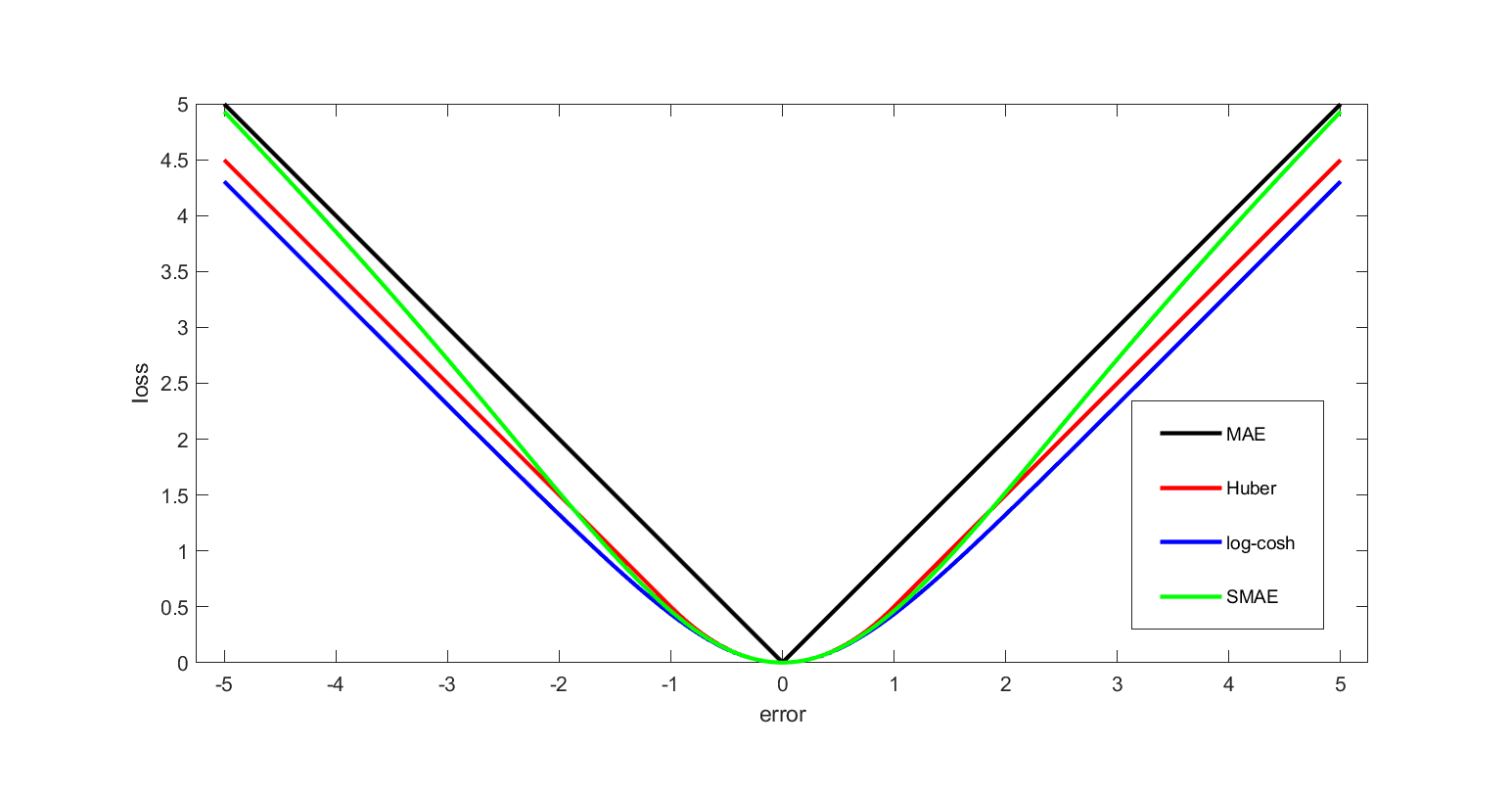
Loss Function: Quantifying 'How Wrong' a Model Is
A loss function is a score that tells a machine learning model how wrong its predictions are. The lower the score, the better. It's the engine of training, guiding the model to adjust its parameters to get closer to the correct answers.
Disparate Impact: When Fair Rules Aren't Fair
Disparate impact is when a neutral rule causes a discriminatory outcome, regardless of intent. This is key in ML fairness, where an algorithm might deny loans to one group more than another, even with objective rules.
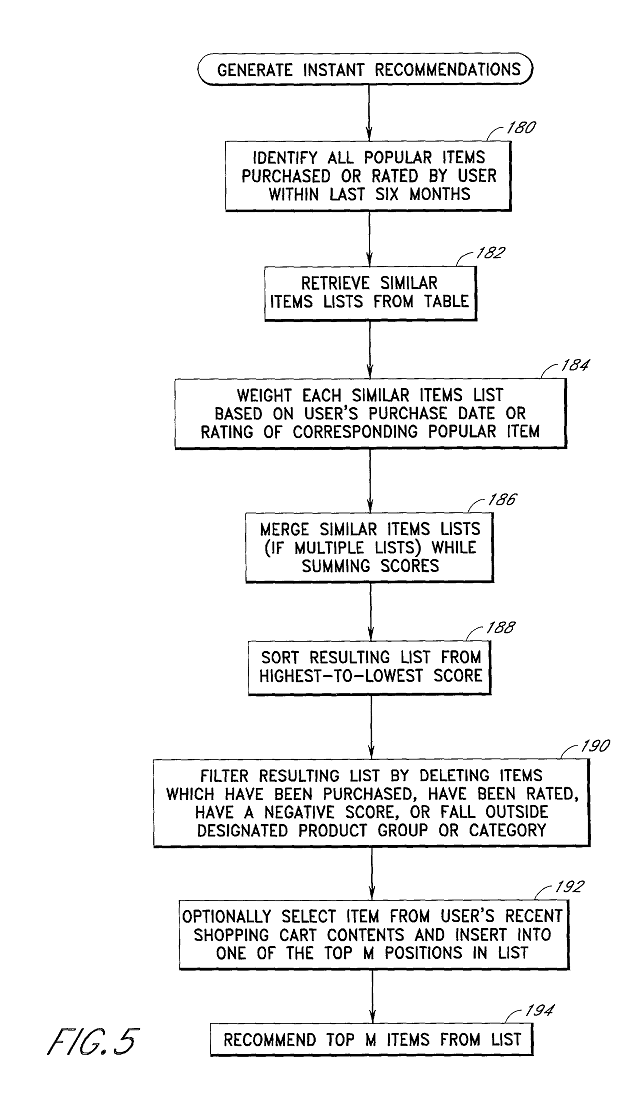
Algorithmic Bias: When Code Creates Unfair Outcomes
Algorithmic bias is a mirror reflecting flawed human data, leading to systematically unfair outcomes. It appears in hiring tools favoring one gender or loan systems denying certain groups. The footgun is assuming tech is neutral; the bias is in the data.

Model Cards: The Nutrition Label for AI
A Model Card is a nutrition label for an ML model, detailing its performance, biases, and intended use. It's vital for high-stakes systems to ensure fairness, like in health or legal predictions. The footgun is deploying a model without one, risking misuse.

Model Serving: Turning Trained Models into Live APIs
Model serving wraps a trained machine learning model in an API, making it a live service that can generate predictions. It's how you power features like real-time fraud detection or product recommendations.

Model Versioning: Git for Your ML Models
Think of model versioning as "Git for data." It tracks large models and datasets alongside your code without bloating your Git repo. Use it to reproduce old experiments or roll back to a better-performing model. The footgun is versioning only code, not data.

Chartjunk: Less is More in Data Visualization
Chartjunk is visual noise in a graph that doesn't help the user understand the data, like 3D effects or decorative backgrounds. It's common in reports where aesthetics are prioritized over clarity.
Audience Analysis: Translate Data for Your Listener
Don't just show data; translate it for your audience. Audience analysis means tailoring communication to who's listening, based on their knowledge and needs. The biggest mistake is assuming your audience shares your context and jargon—they rarely do.

Data Storytelling: Using Narrative to Drive Insight
Structure your data presentation like a story—a journey with rising tension and a clear resolution. This guides stakeholders from a problem to a solution in reports.
We are hiring for this. Every open role lists the topics its interview covers, so you can prepare for the real thing rather than guessing.
See open roles