More in AI & ML — page 44
Topic Modeling: Finding Themes in Unstructured Text
Topic modeling automatically finds themes in text by grouping words that often appear together. It's used to analyze customer feedback or organize large document sets.
Recurrent Neural Networks: Networks with Memory
An RNN is a neural network with a memory loop, processing sequential data by feeding its own output back in as input. It's used for text generation or time-series analysis where context is key.

Transfer Learning: Don't Train Models from Scratch
Transfer learning means not training a model from zero. You start with a model pre-trained on a large, general dataset, then fine-tune it for your specific task. This is common in image recognition, using a general model to learn a niche classification.
Convolutional Neural Networks: Finding Patterns with Filters
A CNN learns to spot features by sliding optimized filters over data like images, audio, or text. It's the go-to for computer vision, but a common mistake is thinking it's the only modern tool, as transformers sometimes replace it.

Word Embeddings: Turning Words into Math
Word embeddings turn words into vectors, where distance equals a difference in meaning. They power features like search relevance and text classification by letting algorithms 'understand' context.

Artificial Neural Networks: Learning from Examples
Think of an ANN as a digital brain that learns from examples, not explicit code. It's a network of simple nodes that adjust their connections to spot patterns. They power image recognition and language translation, but are only as good as their training data.
Causal DAGs: A Map for Cause and Effect
A Causal DAG is a map of your assumptions about what causes what. It helps you spot hidden "confounder" variables that create misleading correlations. Use it before an analysis to decide which variables to control for, ensuring you measure a true effect.
Propensity Score Matching: Simulating a Randomized Trial
Propensity Score Matching creates a 'fair' comparison from observational data, mimicking a randomized trial. It's used to estimate a treatment's effect by matching treated individuals with similar untreated ones.
SUTVA: The Assumption That Your Treatment Isn't Leaking
SUTVA assumes your treatment on one person doesn't spill over to affect others, and that the treatment is consistent for all. It's a key assumption for A/B tests, but is violated when one person's vaccine protects their unvaccinated neighbor.
Statistical Power: Is Your Test Strong Enough to Find a Real Effect?
Statistical power is your experiment's ability to detect a real effect. A low-power test is like a fishing net with holes too big—the fish swims right through. This is critical for A/B tests. The footgun is concluding "no effect" from a weak test.
A/A Testing: Sanity-Checking Your Experiments
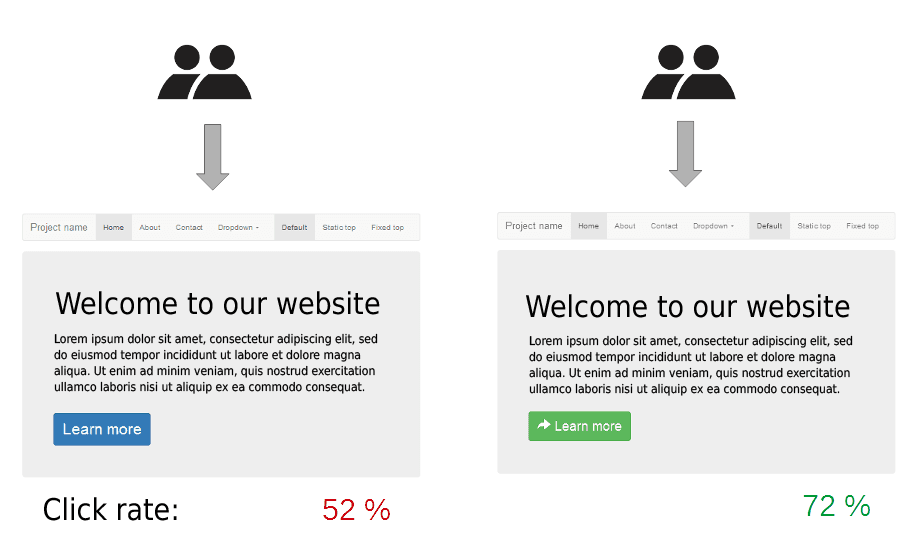
A/A testing is a fire drill for your A/B testing system. You run two identical versions of a page to ensure your tools are working correctly before a real experiment. The biggest footgun is panicking at a false positive; 1 in 20 tests will show.
Randomization: Defeating Bias with Chance
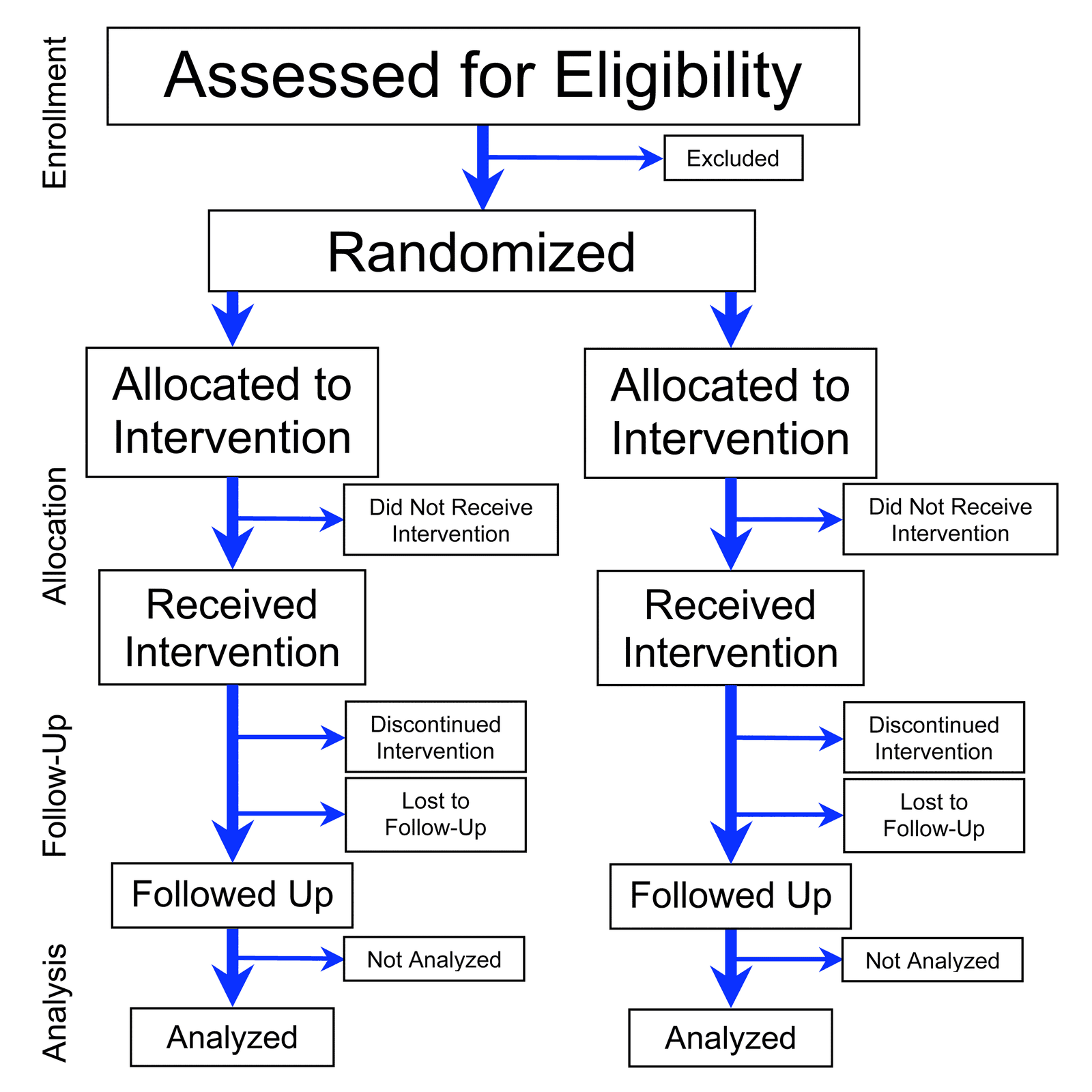
Randomization uses chance to assign subjects to groups, isolating the effect you're testing from hidden variables. It's the foundation of A/B tests and clinical trials. The footgun is confusing 'haphazard' selection with true, unbiased randomization.
Ensemble Learning: Bagging vs. Boosting
Ensemble methods combine multiple weak models into one strong one, like a committee outperforming a single expert. Bagging reduces variance; Boosting reduces bias. The footgun: Boosting can overfit noisy data by trying to model the noise itself.
Random Forest: Many Weak Learners Make One Strong Model
A random forest asks a crowd of simple decision trees for a prediction and takes the majority vote. This ensemble approach is used for classification and regression, correcting for a single tree's tendency to overfit. The footgun is its lower interpretability.

Regularization: Penalizing Complexity to Prevent Overfitting
Regularization is a complexity tax on a machine learning model, forcing it to favor simpler patterns over memorizing training data. It's used to prevent overfitting in models like neural networks, improving their performance on new, unseen data.
Hierarchical Clustering: Building a Family Tree for Data
Hierarchical clustering builds a family tree of your data, not just a single set of groups. It's used when you don't know the number of clusters beforehand, like in biology or market segmentation. The main footgun: early merges are final and can't be undone.
Naive Bayes: Fast Classification by Assuming Independence
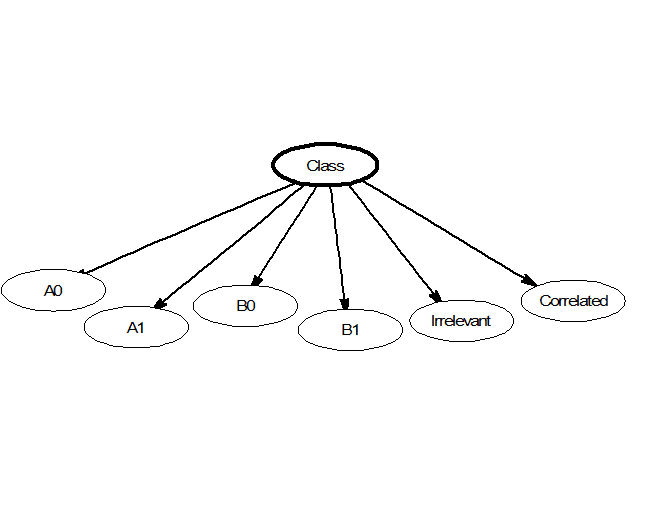
Naive Bayes classifies data by assuming its features are unrelated, like judging a fruit's type by color and shape independently. This makes it fast for tasks like spam filtering or real-time predictions. Its core 'naive' assumption is almost always wrong.
Support Vector Machine: Finding the Widest Street
A Support Vector Machine (SVM) finds the widest possible "street" to separate data classes. It's used for classification tasks like text analysis. The footgun is forgetting the "kernel trick," which lets SVMs solve non-linear problems, not just draw lines.
Cross-Validation: Don't Test on Your Training Data
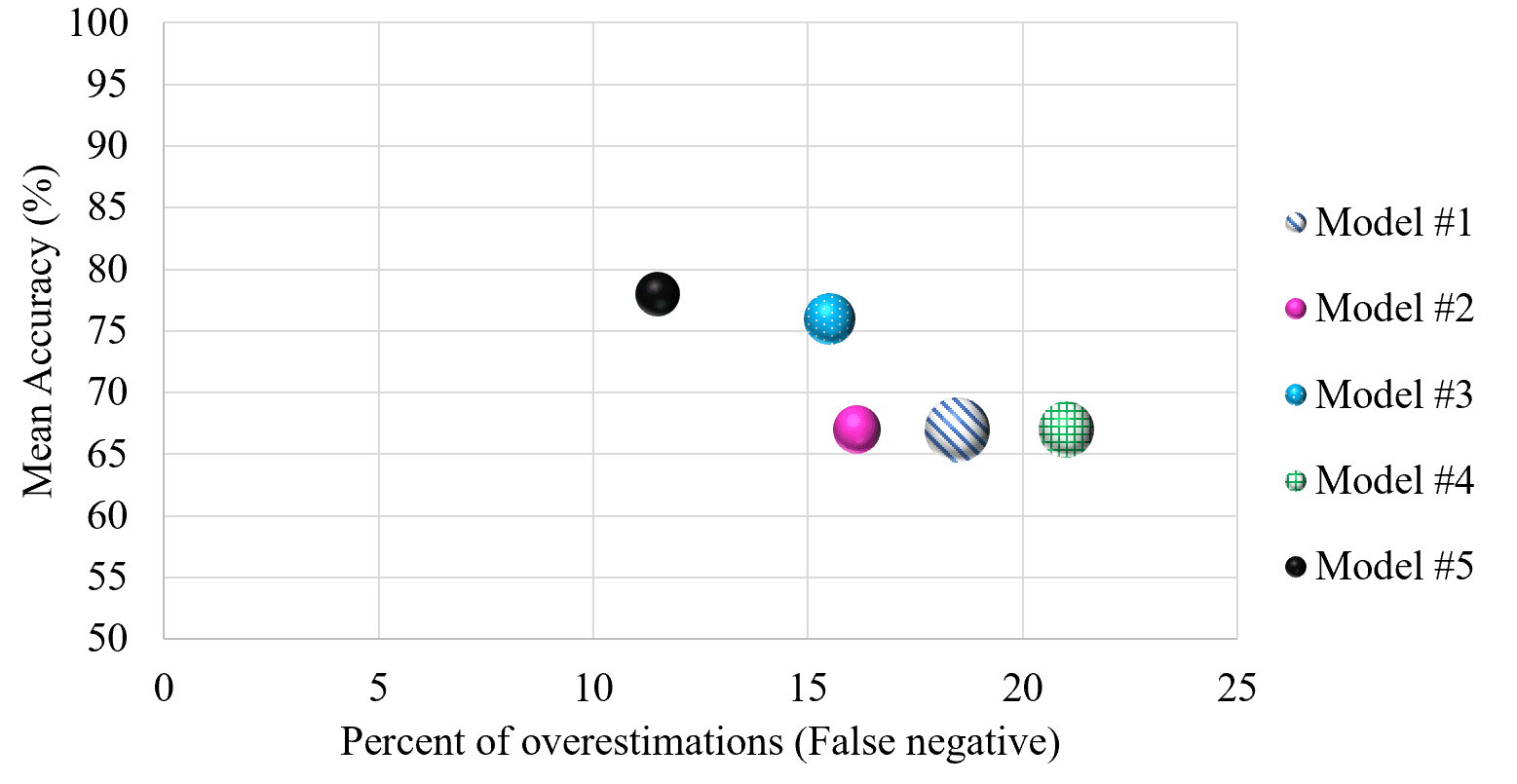
Cross-validation stops a model from 'cheating' by testing it on unseen data. It repeatedly splits your dataset into training and testing portions to simulate real-world performance.
Decision Tree Learning: A Flowchart for Your Data
Decision tree learning builds a predictive flowchart from your data. It's used for classification (like spam vs. not spam) or regression (like predicting price). The main footgun is overfitting: creating a tree so specific it can't handle new data.