Intermediate concepts in Backend Dev, page 6
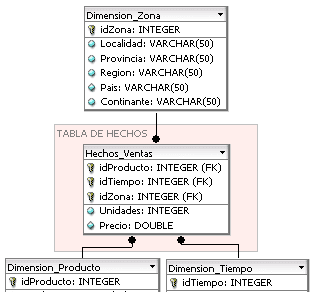
Dimension Tables: The 'Who, What, Where, When' of Your Data
Dimension tables provide the descriptive context—the 'who, what, where, when'—for raw numbers in a fact table. They are the backbone of data warehouses, letting you slice sales data by product or region. The footgun is polluting them with transactional data.
API Versioning: Managing Change Without Breaking Clients
API versioning lets you evolve an API without breaking existing clients. It's essential for public APIs or services with multiple frontends that can't update in lockstep. The footgun is delaying versioning, forcing a painful migration on early users.
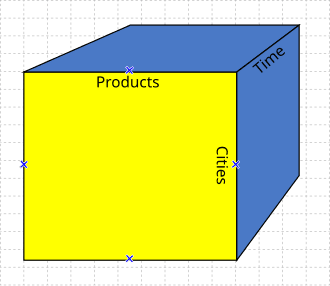
OLAP Cube Operations
OLAP cube operations let you analyze data like a multi-dimensional spreadsheet. Instead of just rows and columns, you navigate dimensions like time and location. Used in business intelligence to answer complex analytical questions.

API Pagination: Serving Big Datasets in Chunks
API pagination breaks large result sets into smaller chunks to prevent server overload. It's essential for any endpoint returning many records, like a list of users or products.
Static Dispatch: Zero-Cost Abstraction via Monomorphization
Static dispatch resolves function calls at compile time, avoiding runtime overhead. Rust does this via monomorphization, creating specialized code for each concrete type. This is the default for generics, but the trade-off is larger binary sizes.
SQLAlchemy 2.0: Async Without Blocking the Event Loop
SQLAlchemy 2.0 wraps its synchronous core with an async API, letting you await database calls without blocking your app's event loop. Use it in frameworks like FastAPI.
Rust's `impl Trait`: Hiding Concrete Types
Rust's impl Trait specifies a type by its behavior, not its name. Use it in function arguments for cleaner generics (fn f(x: impl Debug)) or in return types to hide complex types like closures and iterators, avoiding heap allocation.
Alembic: Version Control for Your Database Schema
Alembic is like Git for your database schema, providing versioned, reversible changes. Use it with SQLAlchemy to evolve your database structure alongside your code. The footgun is that autogeneration can miss changes; always review generated scripts.
Consistent Hashing: Resizing Distributed Systems Gracefully
Consistent hashing prevents mass data reshuffling when servers are added or removed. It maps keys to servers on a logical ring, so only a fraction of keys need remapping during a resize. This is crucial for distributed caches to avoid stampedes.

Motor: Don't Block Your Python App on MongoDB
Motor is the async bridge for Python apps to talk to MongoDB without blocking. Use it in FastAPI or other async frameworks to keep your server responsive during database queries.
Quorum: How Distributed Systems Agree Without Unanimity
A quorum is a majority vote for distributed systems, letting them operate without waiting for every node. It's used in databases and consensus algorithms to ensure consistent writes. The footgun is setting the quorum too low, risking conflicting decisions.
Beanie: Python Objects as MongoDB Documents
Beanie maps Pydantic models to MongoDB documents, letting you interact with the database using Python objects instead of raw queries. Use it in async apps like FastAPI for rapid, type-safe CRUD.
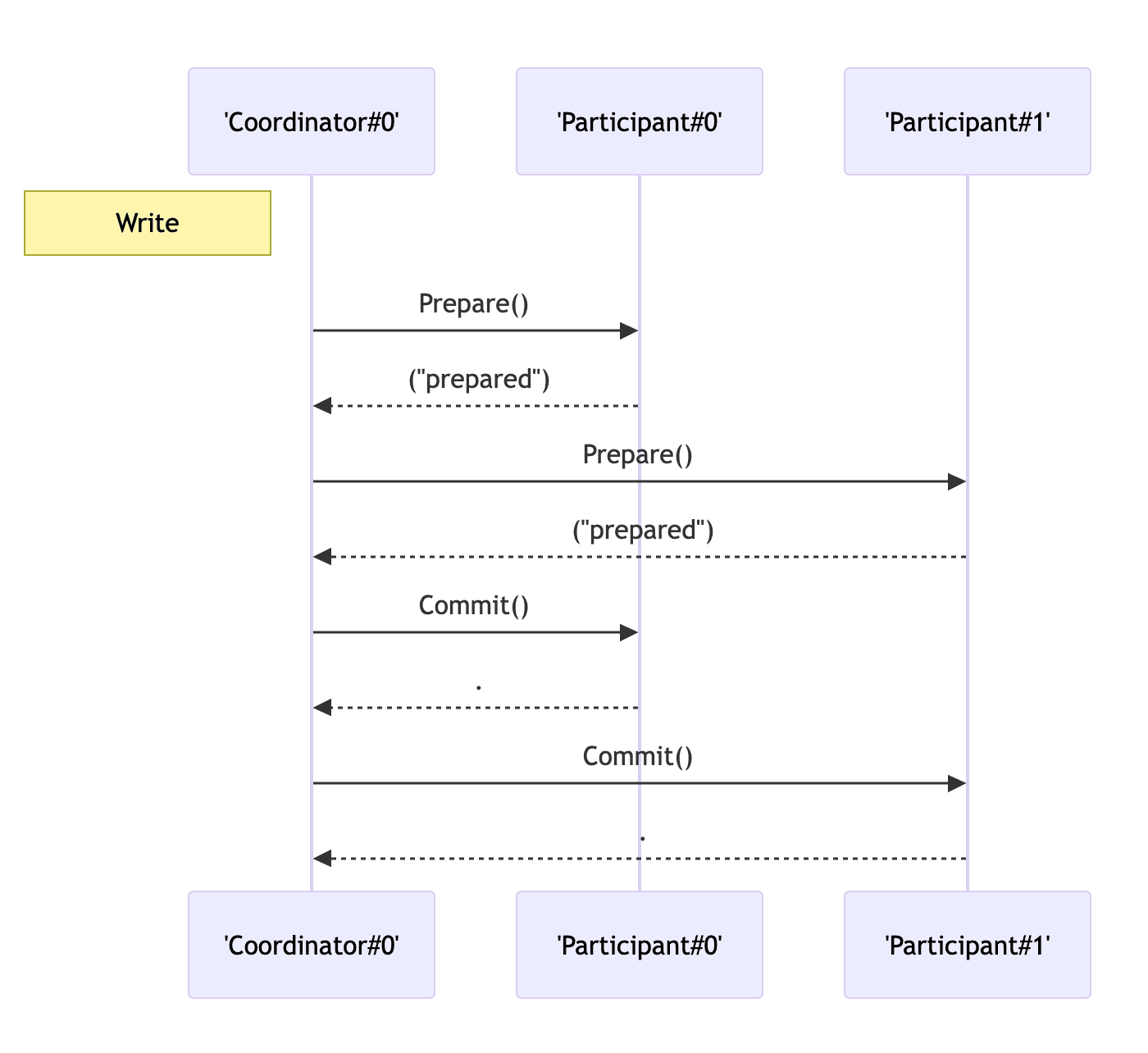
Two-Phase Commit (2PC): All or Nothing, Together
Two-Phase Commit (2PC) ensures a distributed transaction is atomic: all participants either commit or abort together. A coordinator first asks all nodes to prepare (vote), then issues a final commit or abort.
Sequelize Associations: Who Holds the Foreign Key?
Think of Sequelize associations as rules for foreign keys. A.belongsTo(B) means A holds the bId foreign key. A.hasOne(B) or A.hasMany(B) means B holds the aId key. The footgun is mixing these up, which breaks your database schema and queries.

Mongoose Middleware (Hooks): Intercepting Database Operations
Mongoose middleware (hooks) lets you intercept database operations. Think of them as "before" or "after" scripts for actions like save or find. Use them to hash passwords before saving a user.
Mongoose Validation: Your Schema's Built-in Guard
Mongoose validation is a guard at the application layer, ensuring data conforms to schema rules before hitting the database. Use it for required fields, lengths, and ranges. The unique option is for database indexes, not a Mongoose validation rule.
Sequelize Migrations: Version Control for Your Database
Think of Sequelize migrations as Git for your database schema. Each file is a commit describing how to apply (up) and revert (down) a change. Use them to evolve your schema reliably across environments. The footgun: never edit the DB directly.
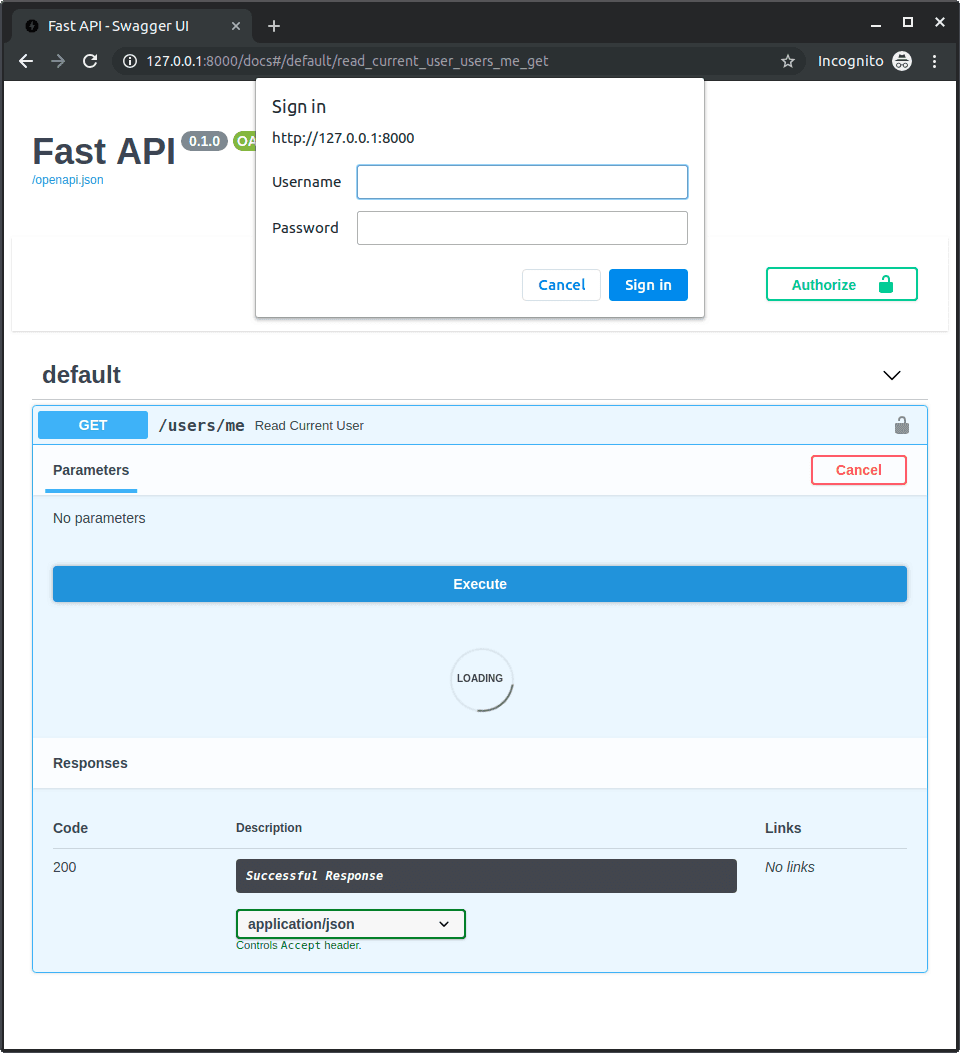
HTTP Basic Auth: Simple but Insecure Access Control
HTTP Basic Auth is a simple gatekeeper for your API, prompting users for a username and password directly in the browser. It's useful for internal tools, but never use it over unencrypted HTTP as credentials are sent in a trivially decodable format.
API Keys: Simple Server-to-Server Authentication
An API key is a simple secret token a client sends to prove its identity, often in a request header. It's ideal for machine-to-machine communication where a user login flow is unnecessary. Footgun: Never send keys in URL query parameters.
Go Channels: Buffered vs. Unbuffered
Unbuffered channels are a synchronous rendezvous, blocking until both sender and receiver are ready. Buffered channels are an async mailbox, letting senders drop messages and go. The footgun is using a buffer to hide a deadlock instead of fixing it.
We are hiring for this. Every open role lists the topics its interview covers, so you can prepare for the real thing rather than guessing.
See open roles