Concepts in Backend Dev, page 13

asyncio Event Loop Policies: A Deprecated Pattern
Think of an event loop policy as the global factory for asyncio's event loops, controlling which loop is created and how it's retrieved. It was used to swap implementations, but the entire API is deprecated in Python 3.14 and will be removed in 3.16.

Mongoose: Schemas are Blueprints, Models are Factories
A Mongoose Schema is the blueprint for your data, defining its shape and types. A Model is the factory that uses this blueprint to create, query, and save documents in MongoDB. The common footgun is trying to query the blueprint instead of the factory.
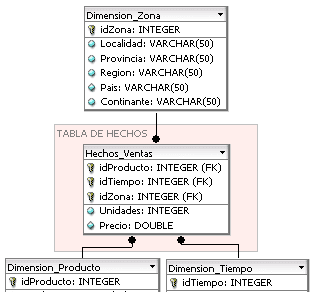
Dimension Tables: The 'Who, What, Where, When' of Your Data
Dimension tables provide the descriptive context—the 'who, what, where, when'—for raw numbers in a fact table. They are the backbone of data warehouses, letting you slice sales data by product or region. The footgun is polluting them with transactional data.
Debugging Python's Asyncio
Debugging asyncio is about finding what's blocking the single-threaded event loop. Use its debug mode to detect slow callbacks and run_in_executor to offload CPU-bound work. The biggest mistake is calling blocking code directly, which stalls the entire app.
API Versioning: Managing Change Without Breaking Clients
API versioning lets you evolve an API without breaking existing clients. It's essential for public APIs or services with multiple frontends that can't update in lockstep. The footgun is delaying versioning, forcing a painful migration on early users.
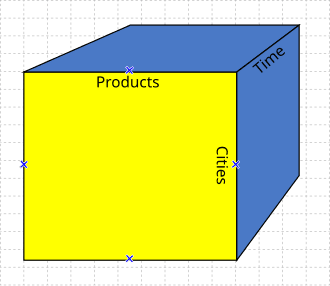
OLAP Cube Operations
OLAP cube operations let you analyze data like a multi-dimensional spreadsheet. Instead of just rows and columns, you navigate dimensions like time and location. Used in business intelligence to answer complex analytical questions.
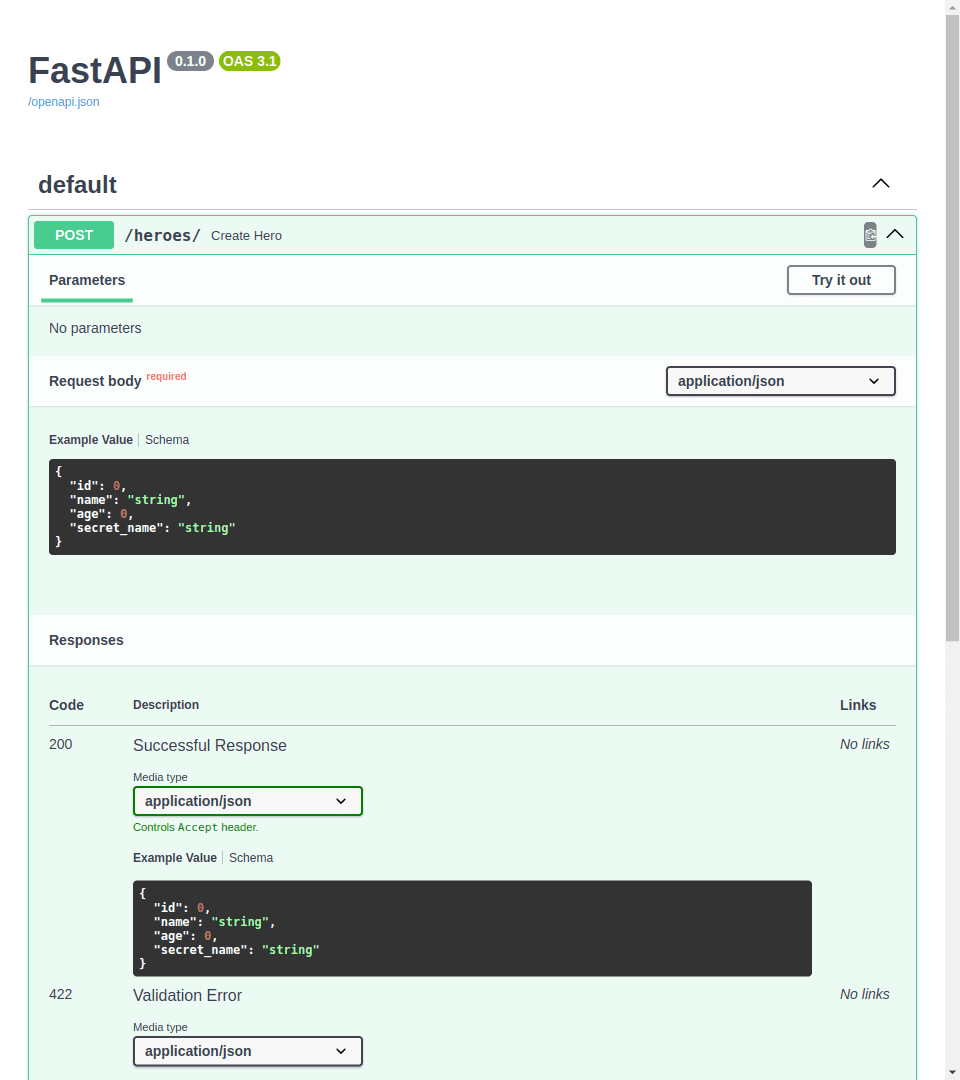
SQLAlchemy Engine vs. Session: The Switchboard and the Call
Think of SQLAlchemy's Engine as the database switchboard (one per app) and a Session as a single, short-lived phone call (one per request). This pattern is standard in FastAPI for managing database connections.

API Pagination: Serving Big Datasets in Chunks
API pagination breaks large result sets into smaller chunks to prevent server overload. It's essential for any endpoint returning many records, like a list of users or products.
MOLAP: A Pre-Computed Cube for Fast Analytics
MOLAP pre-calculates business data into a multi-dimensional "cube" for near-instant analytics. Use it for BI dashboards requiring fast responses to complex queries. The footgun: the cube is a static snapshot, and building it can be slow and rigid.
SQLAlchemy Declarative: Python Classes as Database Tables
SQLAlchemy's Declarative Mapping lets you define database tables as Python classes. You write a class with typed attributes, and SQLAlchemy generates the SQL. It's the standard way to use the ORM, turning database rows into Python objects.
Static Dispatch: Zero-Cost Abstraction via Monomorphization
Static dispatch resolves function calls at compile time, avoiding runtime overhead. Rust does this via monomorphization, creating specialized code for each concrete type. This is the default for generics, but the trade-off is larger binary sizes.

Idempotency in REST APIs: Safe to Retry?
An idempotent API request means sending it once or 100 times has the same effect on the server's state. GET, PUT, and DELETE are idempotent, making them safe to retry. POST is not, so retrying can create duplicates.
SQLAlchemy 2.0: Async Without Blocking the Event Loop
SQLAlchemy 2.0 wraps its synchronous core with an async API, letting you await database calls without blocking your app's event loop. Use it in frameworks like FastAPI.
API Rate Limiting: Protecting Your Express Endpoints
Rate limiting acts as a bouncer for your API, preventing any single user from overwhelming it. It's crucial for public APIs and sensitive endpoints like password resets to block abuse. The default in-memory store won't work across multiple server instances.
Rust's `impl Trait`: Hiding Concrete Types
Rust's impl Trait specifies a type by its behavior, not its name. Use it in function arguments for cleaner generics (fn f(x: impl Debug)) or in return types to hide complex types like closures and iterators, avoiding heap allocation.
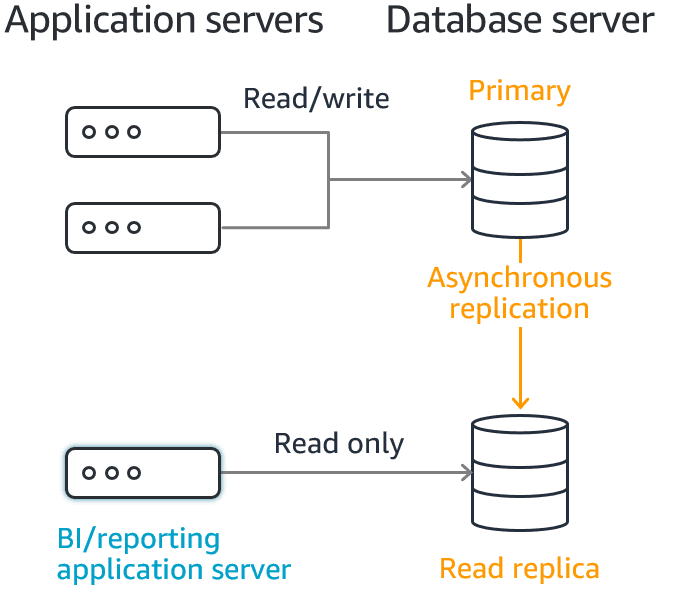
Read Replicas: Scale Out Your Database Reads
A read replica is a read-only copy of your database that handles query traffic. Use it for read-heavy apps to prevent your primary DB from becoming a bottleneck. The footgun: replication is asynchronous, so reads from a replica can return slightly stale data.
Alembic: Version Control for Your Database Schema
Alembic is like Git for your database schema, providing versioned, reversible changes. Use it with SQLAlchemy to evolve your database structure alongside your code. The footgun is that autogeneration can miss changes; always review generated scripts.
HATEOAS: Let Your API Tell You What's Next
HATEOAS makes an API self-discoverable, like a website where you click links instead of guessing URLs. The server's response includes links for the next possible actions, decoupling the client from hardcoded endpoints.
Consistent Hashing: Resizing Distributed Systems Gracefully
Consistent hashing prevents mass data reshuffling when servers are added or removed. It maps keys to servers on a logical ring, so only a fraction of keys need remapping during a resize. This is crucial for distributed caches to avoid stampedes.
ODM: Your Database as JavaScript Objects
ODM translates JavaScript objects to database records and back, letting you work with plain objects instead of raw queries. It removes boilerplate in Node.js apps but hides the real queries underneath.
We are hiring for this. Every open role lists the topics its interview covers, so you can prepare for the real thing rather than guessing.
See open roles