More in Backend Dev — page 21
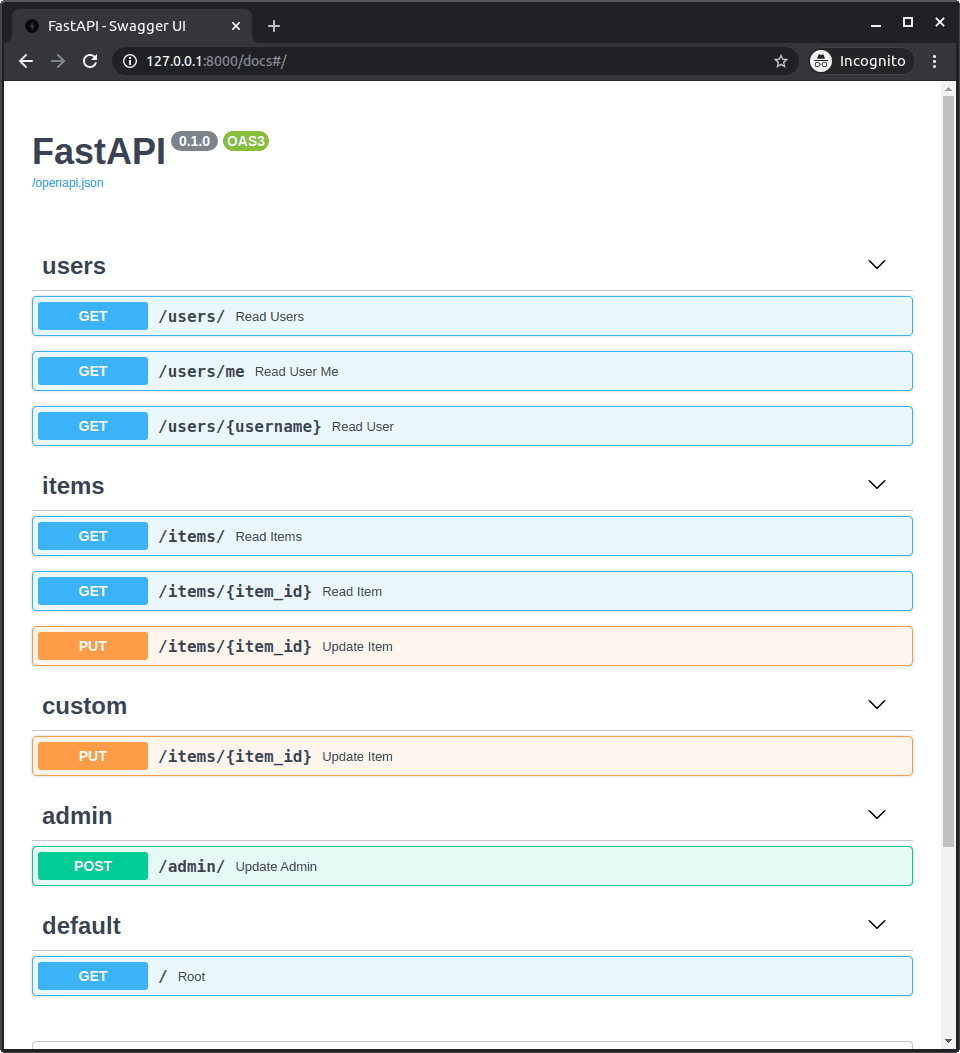
What is APIRouter in FastAPI and why use it?
It tests your grasp of modular architecture in FastAPI. APIRouter splits routes into separate modules so you include them in the main app with prefixes, tags, and dependencies.
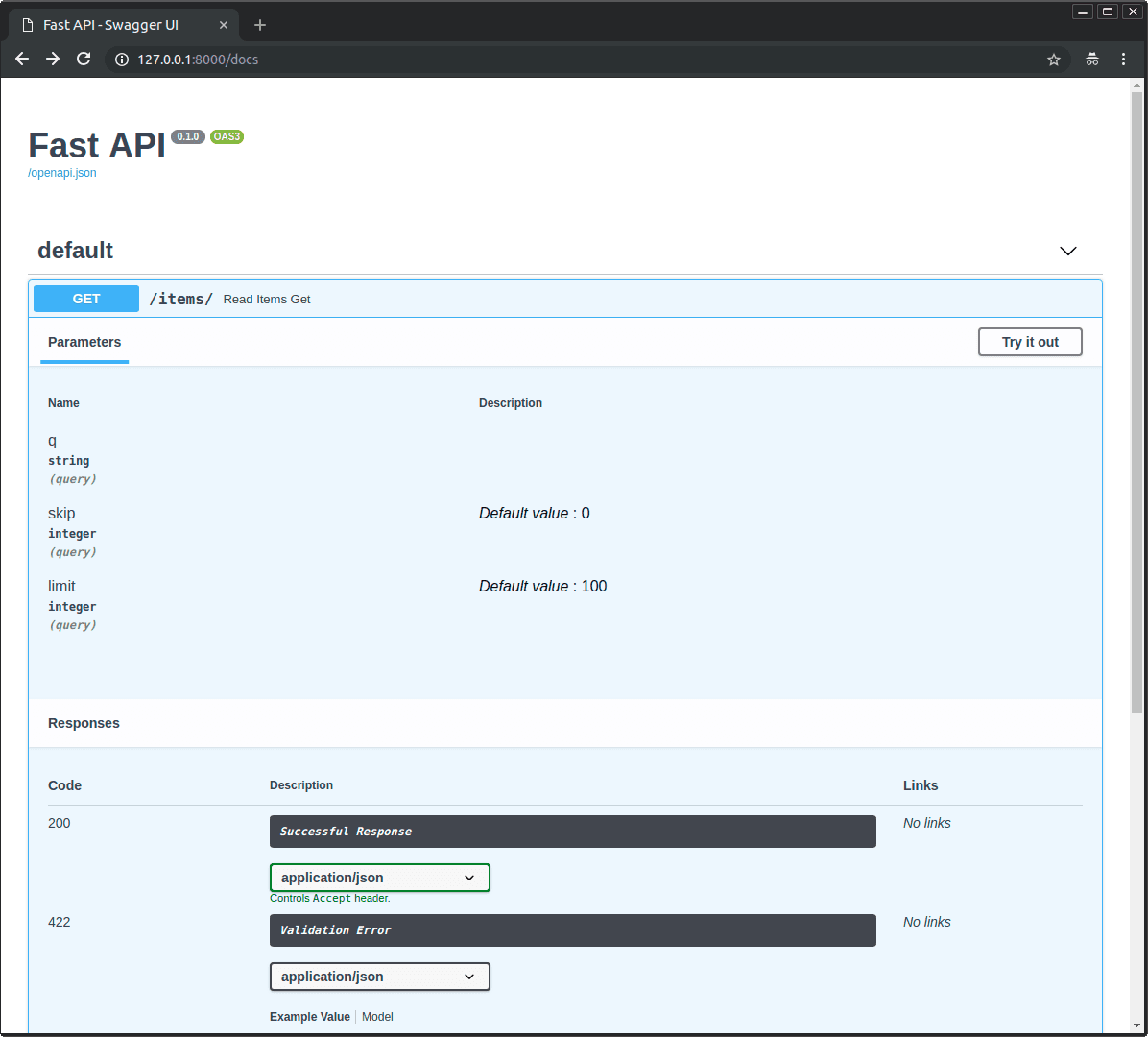
Explain the internal role of the Depends class
WHAT IT TESTS: If you treat Depends as FastAPI's core DI declaration primitive. ANSWER OUTLINE: A strong answer notes it marks parameters for solver, enables recursive sub-dependencies and Annotated sharing, and feeds OpenAPI.
How does lifecycle differ for global vs path operation dependencies?
WHAT IT TESTS: Per-request scoping in FastAPI. ANSWER OUTLINE: Global deps run on every request to any route; path-local deps run only for that route; expensive setup belongs in a lifespan event or cached singleton, not a dependency.
How would you implement a dependency requiring multi-source parameters?
Tests if you know FastAPI resolves dependency params like endpoint params. Great answers annotate each parameter with its source inside the dependency so FastAPI injects them independently. Red flag: manually parsing Request or merging values in the endpoint.
How does FastAPI cache dependencies within a single request?
Tests if you know FastAPI caches a dependency after the first call in a request and reuses it across the tree. A strong answer covers default use_cache=True, request-scoped lifetime, and disabling it.
How does FastAPI execute setup and teardown in nested yield dependencies?
It tests FastAPI's dependency injection lifecycle and stack-like teardown for nested yield dependencies. Setup runs top-down; teardown runs bottom-up after the response. A red flag is claiming teardown order is arbitrary or follows garbage collection.
How do you use a Python class as a FastAPI dependency?
It tests whether you understand FastAPI DI beyond functions and when stateful encapsulation wins. Explain that Depends takes callable classes, centralizing setup and shared state in __init__. Red flag: claiming classes are pure syntactic sugar.
How would you override a FastAPI dependency during testing?
Tests your grasp of FastAPI's dependency override mechanism. A strong answer mentions app.dependency_overrides, notes that sub-dependencies are bypassed, and stresses clearing overrides after each test.
How do you apply a dependency to an APIRouter without per-endpoint signatures?
WHAT IT TESTS: FastAPI router-level DI. ANSWER OUTLINE: pass Depends() to APIRouter dependencies parameter; runs before every route in that router and shows in docs. RED FLAG: using middleware or manual decorators over the native dependencies argument.
What is the purpose of yield in a dependency function?
Tests teardown logic in FastAPI dependencies. Yield splits setup from cleanup: code before yield runs pre-request, after yield runs post-response to close resources like DB sessions. Red flag: confusing it with return or thinking yield is only for generators.
How do you declare a function as a dependency, and why?
Tests FastAPI dependency injection basics. Answer: create a function, import Depends, and add it to path operation parameters so FastAPI injects it. Purpose: routes declare what they need instead of hard-coding shared logic.
Access raw request bytes in FastAPI for webhook verification
Tests FastAPI's Starlette integration and stream semantics. Outline: inject Request and await request.body, but the stream is single-use so JSON parsing later fails and docs are lost. Red flag: suggesting a Pydantic model still works after consuming the body.
How would you use BackgroundTasks to run work after returning a 201?
What it tests: FastAPI deferred execution and failure modes. A strong answer injects BackgroundTasks, adds the task, returns 201, and notes same-process post-response execution with no persistence. Red flag: Treating it as a distributed queue like Celery.
Implement a custom exception handler to catch ItemNotFoundError and return 404
Tests FastAPI exception handler registration beyond HTTPException. A strong answer covers creating a custom exception, using app.exception_handler, and returning a JSONResponse with status 404 and a structured body. Red flag: per-route try/except, plain dict.
How do you set a custom header and cookie in FastAPI?
Tests FastAPI temporal Response injection and merge behavior. Strong answer: inject Response, set headers via response.headers, cookies via set_cookie, then return the payload normally.
How do you create a reusable current-user dependency in FastAPI?
Tests DRY auth with FastAPI Depends. Answer: create get_current_user that Depends on OAuth2PasswordBearer, verifies token, returns User model, inject into routes. Red flag: middleware or manual header parsing in each endpoint.
Implement a FastAPI file upload endpoint with form data
Tests FastAPI multipart literacy. A strong answer names python-multipart, uses Annotated[UploadFile, File()] for the image, and Annotated[str, Form()] for user_id.
Define a FastAPI endpoint with path and query parameters
Tests if you know FastAPI infers parameter location from the route string. Good answer: route with {item_id}, signature item_id: int, q: str | None = None, noting any param not in the path becomes a query param.
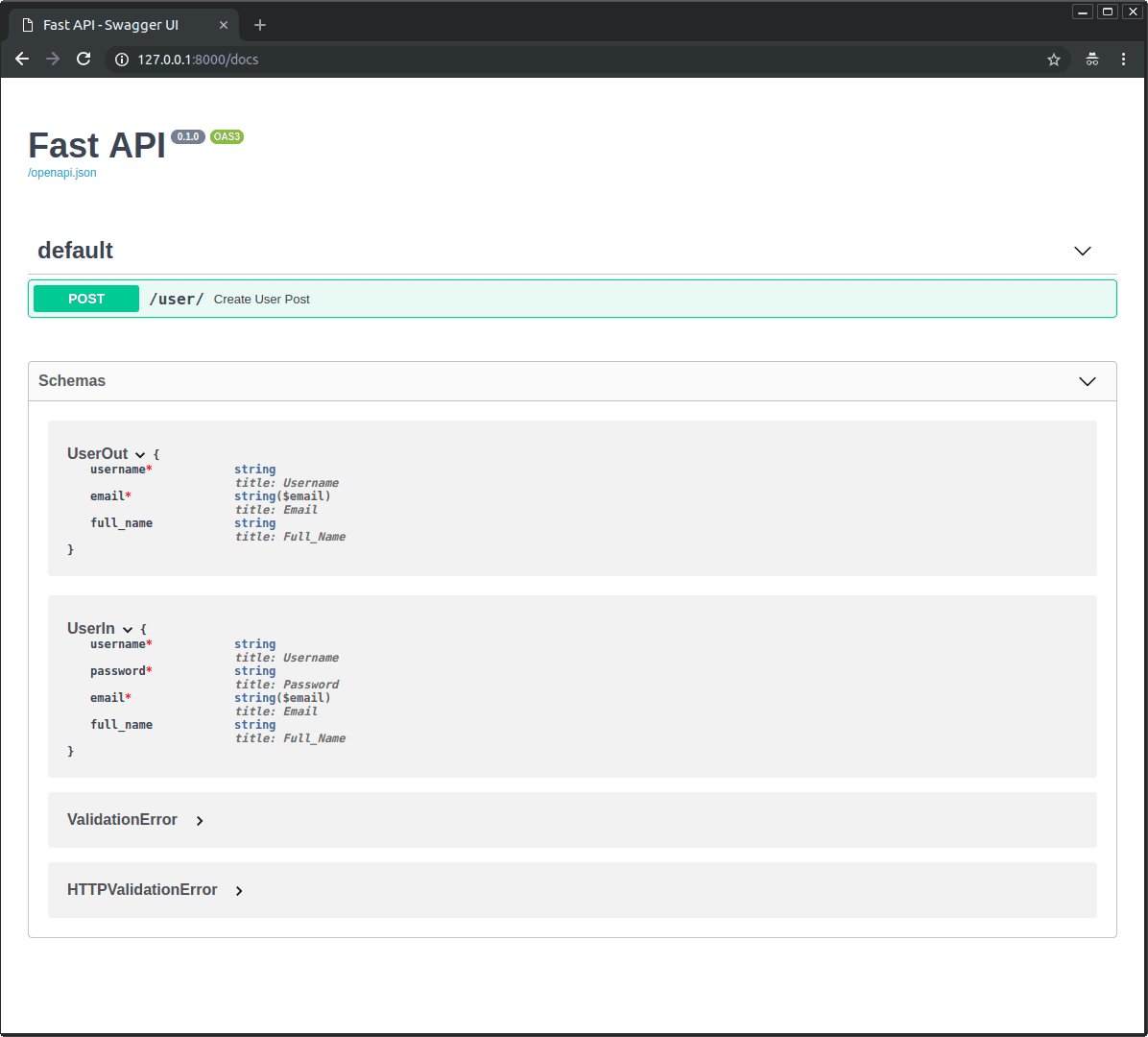
How would you use a Pydantic response_model to enforce output structure?
Tests separation of internal models from API contracts. Define a Pydantic output model with only safe fields, set it as the endpoint response_model, and let FastAPI filter and validate.
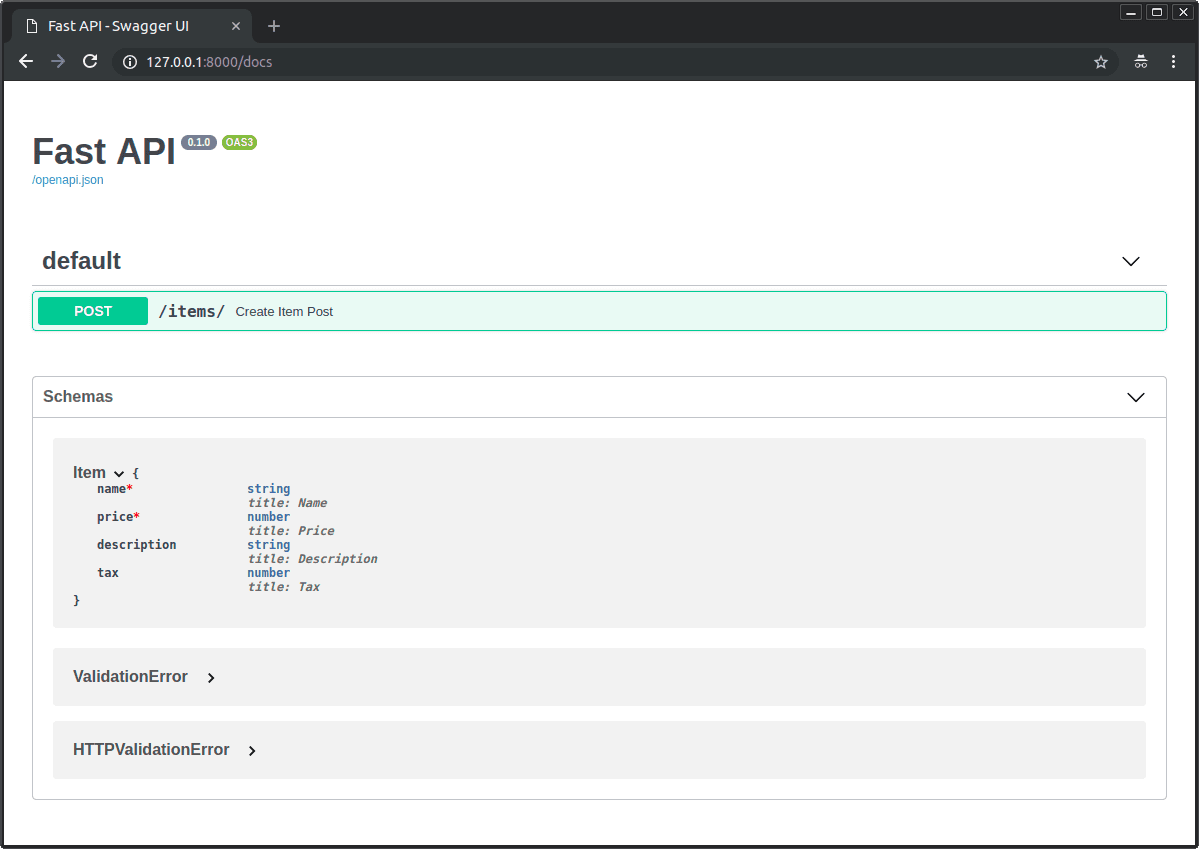
How do you define a Pydantic model and use it in FastAPI?
WHAT IT TESTS: Whether you use Pydantic BaseModel for request body validation in FastAPI. ANSWER OUTLINE: Subclass BaseModel with name str and age int, then type-hint the parameter with the model.