Advanced concepts in Cloud Platforms
Multi-cloud: Spreading Bets Across Cloud Providers
Multi-cloud is a strategy for using services from two or more cloud providers to avoid vendor lock-in. It's used to cherry-pick best-in-class services or improve resilience. The footgun is underestimating the complexity of managing disparate APIs and security.
FaaS: Run Code, Not Servers
FaaS lets you run code without managing servers, like renting a contractor for one task. It's ideal for event-driven actions like processing uploads or handling webhooks. The footgun is cost: for high, steady traffic, a dedicated server is often cheaper.

Spot Instances: Trade Reliability for Huge Cost Savings
Spot Instances let you use spare AWS compute for up to 90% off. They're great for fault-tolerant jobs like batch processing or CI/CD. The footgun: AWS can reclaim your instance with a two-minute warning, so don't use them for critical workloads.
Bare Metal Instances: Your Own Dedicated Cloud Server
A bare metal instance is your own dedicated physical server in the cloud—no sharing, no virtualization layer. Use it for workloads needing direct hardware access or for licensing that forbids VMs. The footgun: you trade cloud elasticity for this control.
AWS Placement Groups: Control Where Your Instances Run
AWS Placement Groups let you control where EC2 instances run relative to each other. Use a Cluster group for low-latency HPC, or Spread/Partition groups to reduce correlated hardware failures. The main footgun is picking the wrong strategy for your workload.
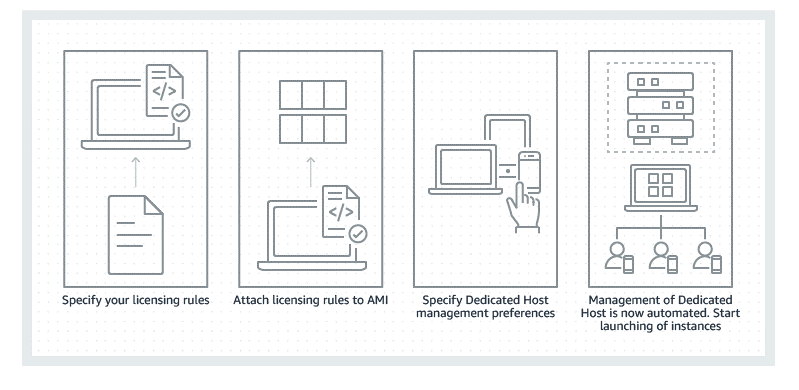
AWS Dedicated Hosts: Your Own Physical Server in the Cloud
An AWS Dedicated Host is your own physical server in the cloud, providing single-tenant hardware. Use it for "bring your own license" (BYOL) software tied to physical cores, or for compliance rules that forbid multi-tenancy.
Object Versioning: A Safety Net for Cloud Files
Object Versioning treats every file change as a new version, not a replacement. It's used in cloud storage to recover from accidental overwrites or deletions. The footgun: you pay for all versions, so costs can multiply without cleanup policies.
Presigned URLs: Temporary Access to Private Files
A presigned URL is a temporary, authenticated link to a private cloud storage object, bundling credentials into the URL. Use it to let users upload or download private files directly, bypassing your server. The URL is a bearer token, so set short expirations.
Storage Gateway: Your On-Prem to Cloud Translator
A storage gateway is a translator, letting your on-prem applications talk to cloud storage without learning its native API language. It presents cloud storage as a local file share or block device, enabling hybrid cloud backups and data tiering.
Eventual Consistency: Availability Over Immediacy
Eventual consistency trades immediate correctness for high availability. It's used in distributed systems where being online is critical. The footgun is assuming "eventual" implies a specific timeframe; it only guarantees convergence if updates cease.
DNS Routing Policies: Directing Traffic with Intention
DNS routing policies are a control plane for your domain, directing users based on location, latency, or server health. Use them for disaster recovery (failover) or canary releases (weighted). The footgun: confusing geolocation with latency-based routing.
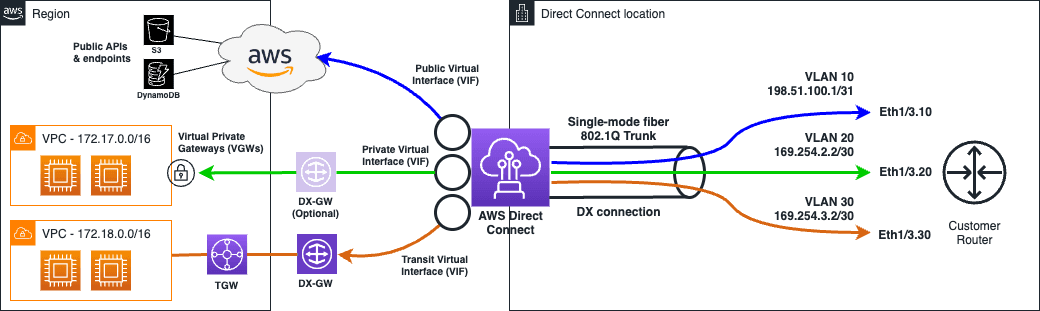
Cloud Direct Connect: A Private Lane to the Cloud
Think of Direct Connect as a private fiber-optic highway from your datacenter to the cloud, bypassing the public internet. It's for stable, high-bandwidth needs like large data transfers where public internet performance is too unpredictable or insecure.
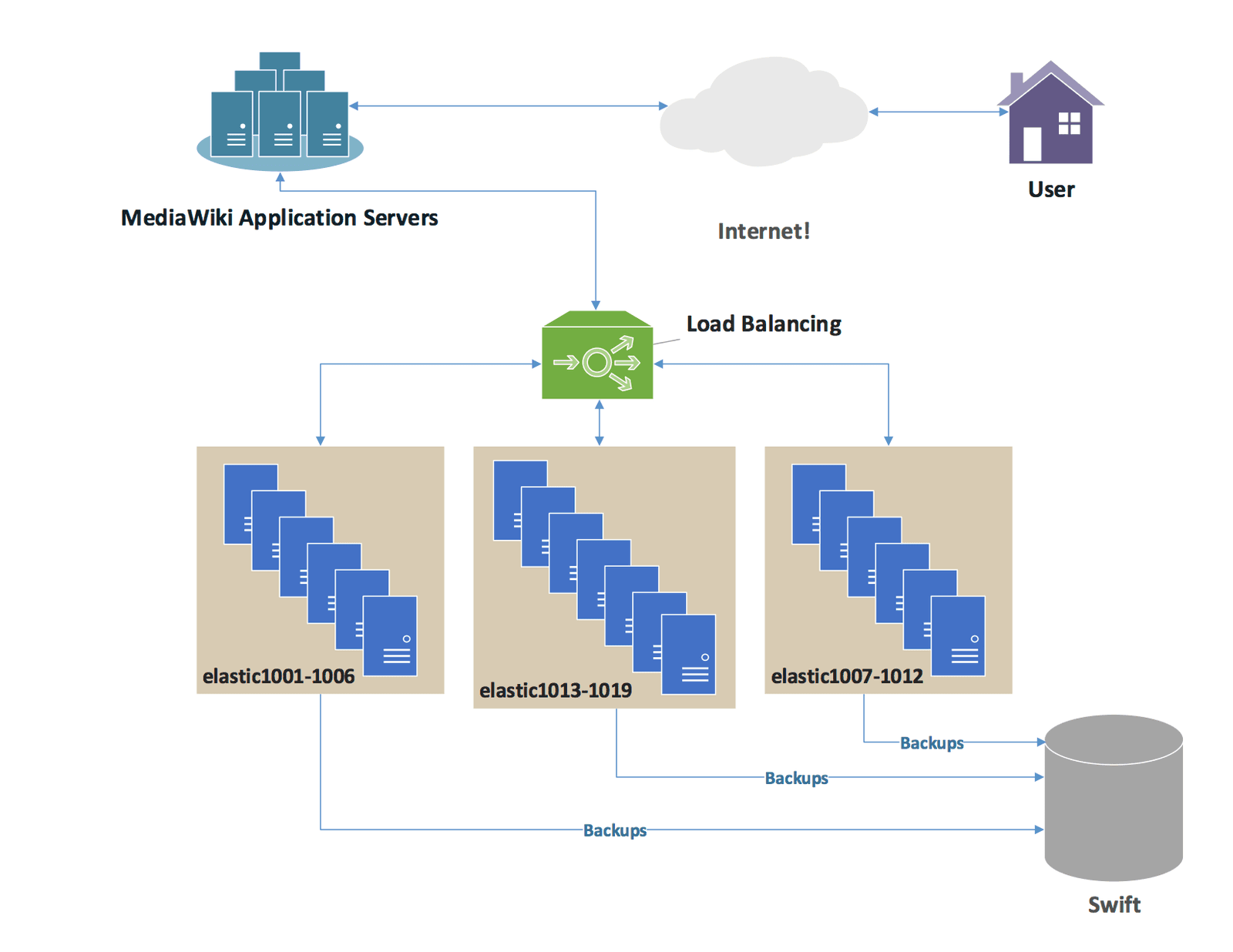
Global Server Load Balancing (GSLB): DNS for High Availability
Global Server Load Balancing (GSLB) uses DNS to route users to the best data center, not just the best server. It considers geography, health, and load to provide disaster recovery and lower latency.
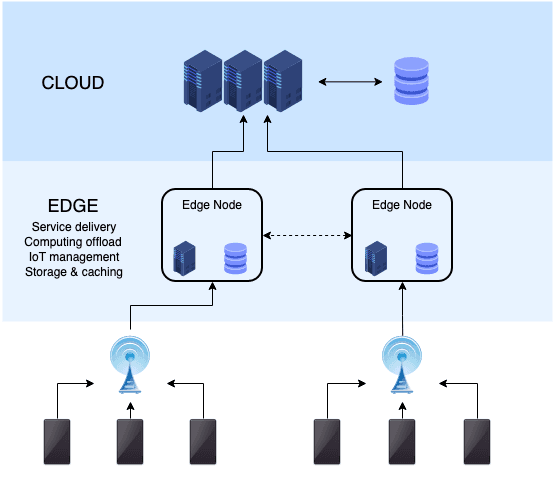
CDN Edge Computing: Code at the Cache
CDN Edge Computing runs your code at the network edge, not just caches files. It's for low-latency tasks like A/B testing or auth checks. The footgun is treating it like a full backend; it's stateless and resource-constrained.
Zero Trust: Never Trust, Always Verify
Zero Trust assumes no user or device is safe by default, even on a 'trusted' corporate network. It's like needing a keycard for every door, not just the front gate. The biggest mistake is thinking you can buy a 'Zero Trust' product; it's a strategic.
CSPM: A Single Pane of Glass for Cloud Security
A CSPM is a single pane of glass for your cloud security, continuously scanning all assets for misconfigurations. It unifies security data across multi-cloud environments, replacing disparate tools.
Data Sovereignty: Your Data's Legal 'Citizenship'
Data sovereignty means data is subject to the laws of the country it's in; data residency is storing it there to comply. This is critical for apps in regions with strict laws like the EU's GDPR. The footgun is confusing residency with full legal compliance.
Cloud Compliance Frameworks: Security as a Standard
Think of a cloud compliance framework as a standardized rulebook for security. It translates broad security goals into specific, auditable controls, providing a checklist to prove your cloud environment is secure to regulators and customers.
Serverless Databases: Pay for Use, Not for Idle
A serverless database automatically scales compute and storage based on demand, from zero to massive, without you managing any servers. Use it for spiky, unpredictable workloads to avoid paying for idle capacity.
Cloud Data Warehouse: Analytics Without the Hardware
A cloud data warehouse is your company's analytical brain, but without the hardware headache. It separates storage and compute, letting you query massive historical datasets from sales, marketing, and ops.
We are hiring for this. Every open role lists the topics its interview covers, so you can prepare for the real thing rather than guessing.
See open roles