Everything in Cloud Platforms, page 9
Feature Store: The Single Source of Truth for ML
A feature store is the single source of truth for ML models, acting as a central kitchen for prepped ingredients (features). It's used to ensure the same feature logic is applied in both training and real-time inference, preventing model drift.
MLOps: Applying DevOps to Machine Learning
MLOps applies DevOps principles to automate the machine learning lifecycle, creating an assembly line for models. It's for moving from notebooks to production systems that retrain automatically.
Cloud Computer Vision: Renting an AI's Eyes via API
Think of it as an API that lets your app 'see.' You send an image and get back structured data like object labels or text. It's used for content moderation, digitizing documents, or making photo libraries searchable.
Cloud NLP Services: Pre-trained Language Models as an API
Cloud NLP services are like having a team of linguists on-demand via an API. Use them to instantly analyze text for sentiment, entities (people, places), or topics without building your own models.
Pre-trained AI Services: Renting Expertise, Not Building It
Pre-trained AI services are like renting an expert's brain via an API. Instead of training your own model, you call a service for tasks like speech-to-text or image analysis. The footgun is assuming a general model will master your specific industry jargon.
AutoML: Automating the Machine Learning Workflow
AutoML automates the repetitive, trial-and-error parts of building a machine learning model, like picking the best algorithm and tuning its settings. Use it to quickly build baseline models or when your team lacks deep ML expertise.
Managed ML Platforms: Heroku for Machine Learning
A managed ML platform is like Heroku for machine learning, providing an integrated environment for the entire model lifecycle. Use it to build, train, and deploy models without managing servers, data pipelines, or inference endpoints yourself.
Data Virtualization: One Query, Many Sources
Data virtualization creates a single logical database from many physical sources without moving the data. It's used for real-time integration across silos like SQL, NoSQL, and APIs.
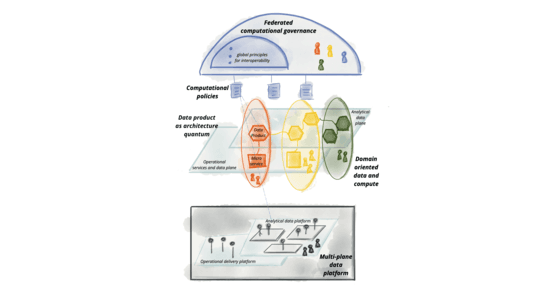
Data Mesh: From Central Data Lake to Distributed Ownership
Data Mesh decentralizes data ownership, moving it from a central team to the business domains that create it. This approach, like microservices for data, is for orgs where a monolithic data lake has become a bottleneck.
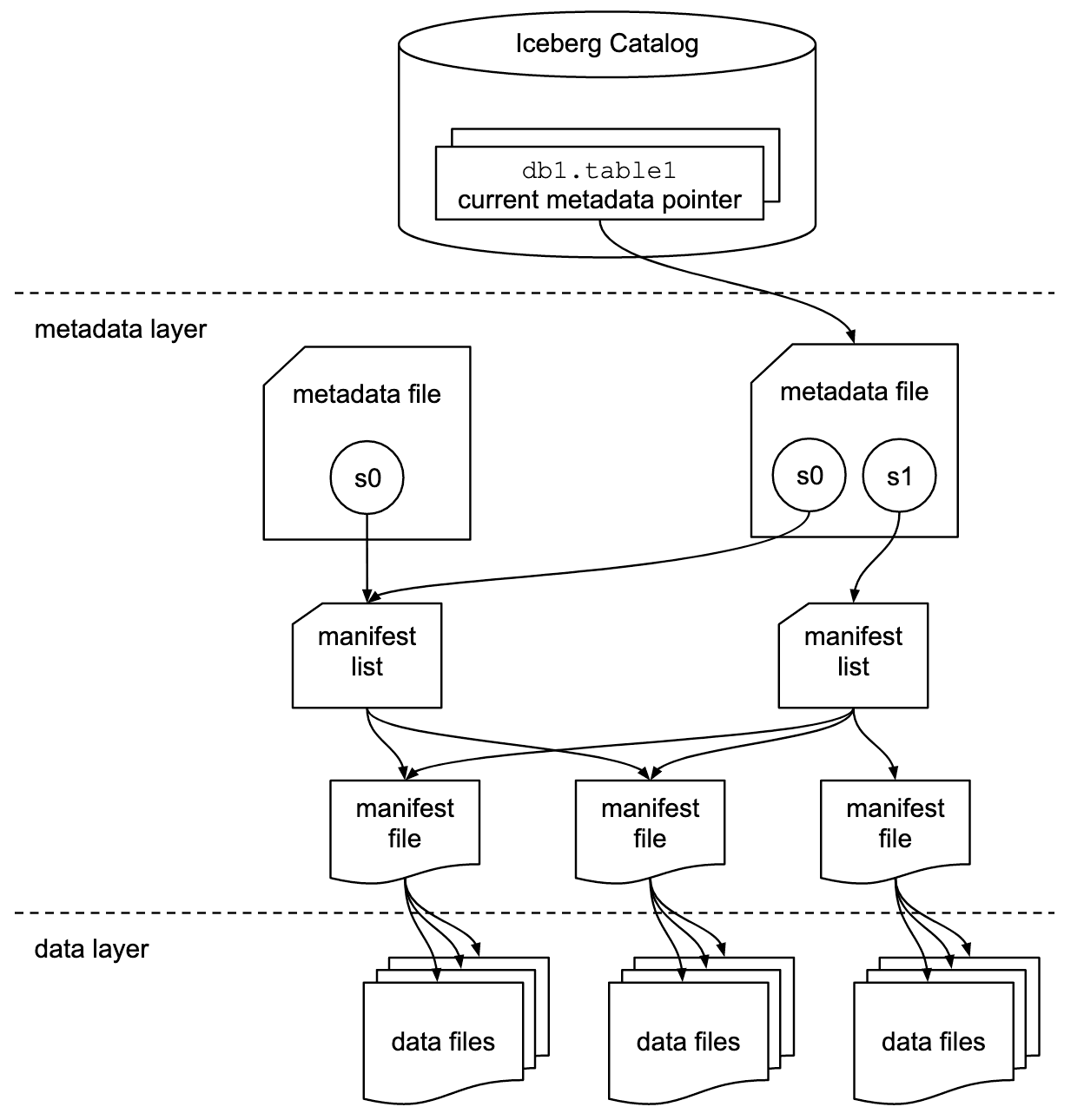
Apache Iceberg: A Table Format for Huge Datasets
Apache Iceberg is an open table format for huge analytic datasets. It adds a metadata layer to files in object storage, enabling engines like Spark and Trino to work with transactional guarantees. The footgun: it's a format, not a query engine itself.
Apache Beam: Write-Once, Run-Anywhere Data Pipelines
Apache Beam is a universal remote for big data engines. You write your pipeline logic once using its SDK, and it translates your code to run on different "runners" like Spark or Flink. The footgun is thinking Beam is an engine; it's an abstraction that.
Apache Flink: Unifying Batch and Stream Processing
Apache Flink treats everything as a stream of data, even finite batches. This unified model lets you process real-time events and historical data with the same logic. Use it for live analytics or fraud detection.
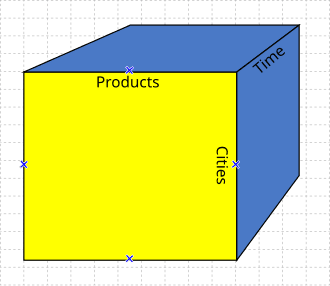
OLAP Cube: Pre-Aggregating Data for Fast Analysis
An OLAP cube is like a Rubik's Cube for your data, pre-calculating answers to complex business questions. It powers BI tools, letting you 'slice and dice' sales data by region and time for fast reports. The footgun: data is typically stale, not real-time.
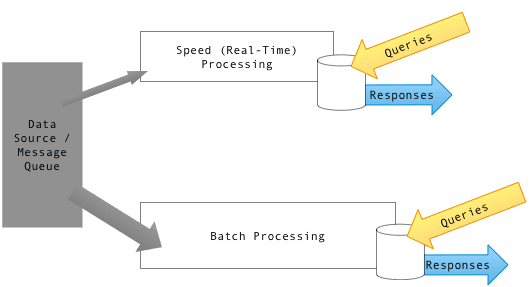
Lambda Architecture: Batch and Stream for Big Data
Lambda Architecture splits data into two paths: a slow, comprehensive batch layer and a fast, real-time stream layer. It's used in big data systems needing both historical accuracy and live views.
Apache Airflow: Code-Defined Data Pipelines
Airflow lets you define, schedule, and monitor complex data workflows as code, replacing brittle cron jobs. It's used for ETL jobs or ML training pipelines. The footgun is treating it as a data processing engine; it's an orchestrator, not the worker.
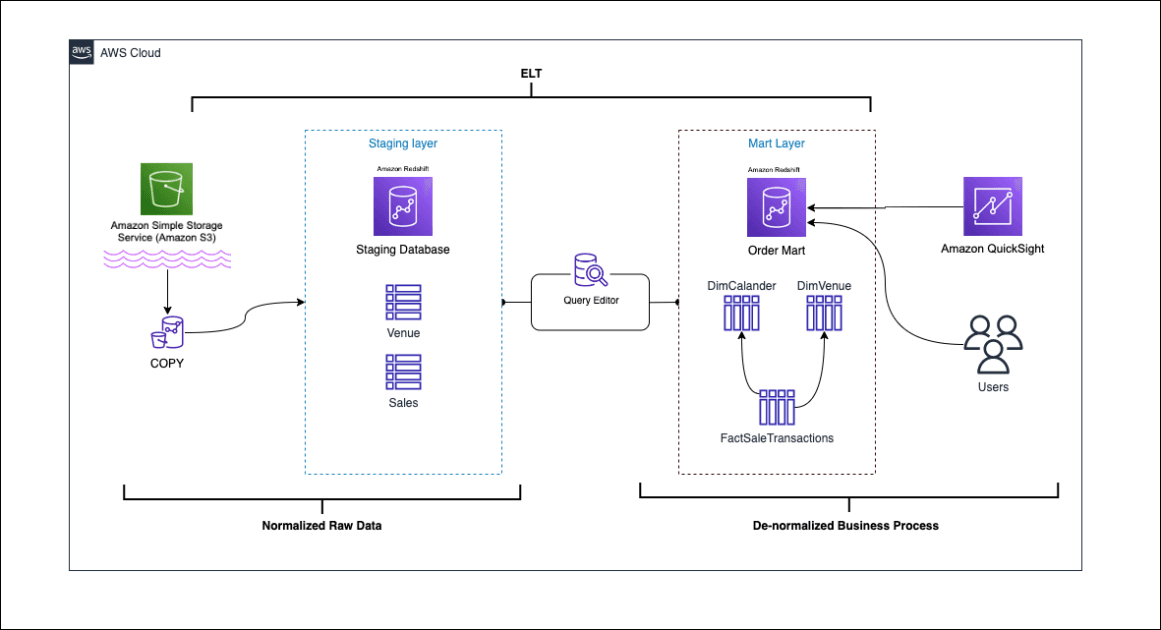
Dimensional Modeling: Facts vs. Dimensions
Dimensional modeling organizes data like a story: 'facts' are what happened (sales numbers) and 'dimensions' are the who, what, and where (customer, product). It's the foundation for data warehouses, turning raw data into analyzable BI reports.
Batch vs. Stream Processing: When to Process Data
Batch processing is like a nightly report, crunching a full day's data at once. Stream processing is a live feed, handling events as they arrive. Use batch for ETL jobs and stream for real-time fraud detection.
MapReduce: Divide and Conquer for Big Data
MapReduce breaks a huge data job into smaller, parallel tasks across a cluster. It's ideal for batch processing massive datasets, like indexing the web. The common footgun is using it for real-time queries; it's built for throughput, not speed.
Cloud Unit Economics: Tying Spend to Value
Instead of just a total cloud bill, unit economics calculates cost per meaningful unit, like 'cost per customer.' This helps justify rising costs with business growth and lets product owners make data-driven pricing tradeoffs.
Cost Anomaly Detection: Catching Runaway Cloud Bills
Think of cost anomaly detection as a fraud alert for your cloud bill. It uses machine learning to learn your normal spending patterns and automatically flags unexpected spikes before they become a crisis.
We are hiring for this. Every open role lists the topics its interview covers, so you can prepare for the real thing rather than guessing.
See open roles