Advanced everything in Content & Copywriting, page 4

Re-engagement Campaigns: Winning Back Inactive Subscribers
A re-engagement campaign is a targeted effort to win back inactive subscribers, as it's cheaper to reactivate an old lead than find a new one. Use it when a segment of your list stops engaging.

The Skyscraper Technique: Out-Ranking with Superior Content
Find the best content for a keyword, then build a taller "skyscraper" by making yours dramatically better. This SEO technique is used to earn backlinks from sites linking to the original, inferior content.
The Johnson Box: Your Letter's Executive Summary
A Johnson Box is the key message of a direct mail letter, placed at the top to grab attention. It's for when you have seconds to make your case before the reader discards it. The footgun is burying the lead; the Johnson Box forces it.
Long-Form Sales Letter: Closing Without a Salesperson
Think of a long-form sales letter as your best salesperson, cloned on paper. It anticipates every question for a high-value purchase. It's the final step for selling complex services or courses, meant to secure commitment.
Article Schema: A Nutritional Label for Your Content
Article schema is a nutritional label for your content, telling search engines exactly what each part is. Use it for blog posts and news to earn rich snippets, but the footgun is incomplete mapping—just defining the type is not enough.

Keyword Cannibalization: When Your Pages Compete Against Each Other
Keyword cannibalization is when your own pages fight for the same search rankings, splitting your authority. This happens when multiple articles target the same keyword and user intent.

Featured Snippets: Earning 'Position Zero' in Google
Featured Snippets are Google's attempt to answer a query directly on the results page, often called "position zero." You win them by structuring content to be the clearest answer to a specific question, but this can sometimes decrease your click-through rate.
Content Governance: The Rulebook for Your Content
Content governance isn't about writing; it's the rulebook for *how* content is created, managed, and retired. It defines roles, standards, and processes to ensure consistency and quality at scale. The footgun is buying a CMS without a governance plan.
Content Lifecycle Management: From Idea to Archive
Think of content not as a one-off post, but as an asset with a lifecycle from creation to retirement. This structured approach helps manage large sites, ensuring content stays fresh.
Verbal Brand Identity: How a Brand Speaks
Verbal identity is how a brand speaks, not just what it says. It's the system of names, taglines, and consistent tone of voice that shapes a brand's personality. The footgun is mistaking it for just slogans, ignoring the deeper linguistic framework.
The Messaging Matrix: Your Company's Rosetta Stone
A Messaging Matrix is your company's Rosetta Stone for communication, ensuring everyone tells the same core story. It maps benefits and proof points to audience segments, aligning sales, marketing, and product. The footgun is treating it as a one-off document.
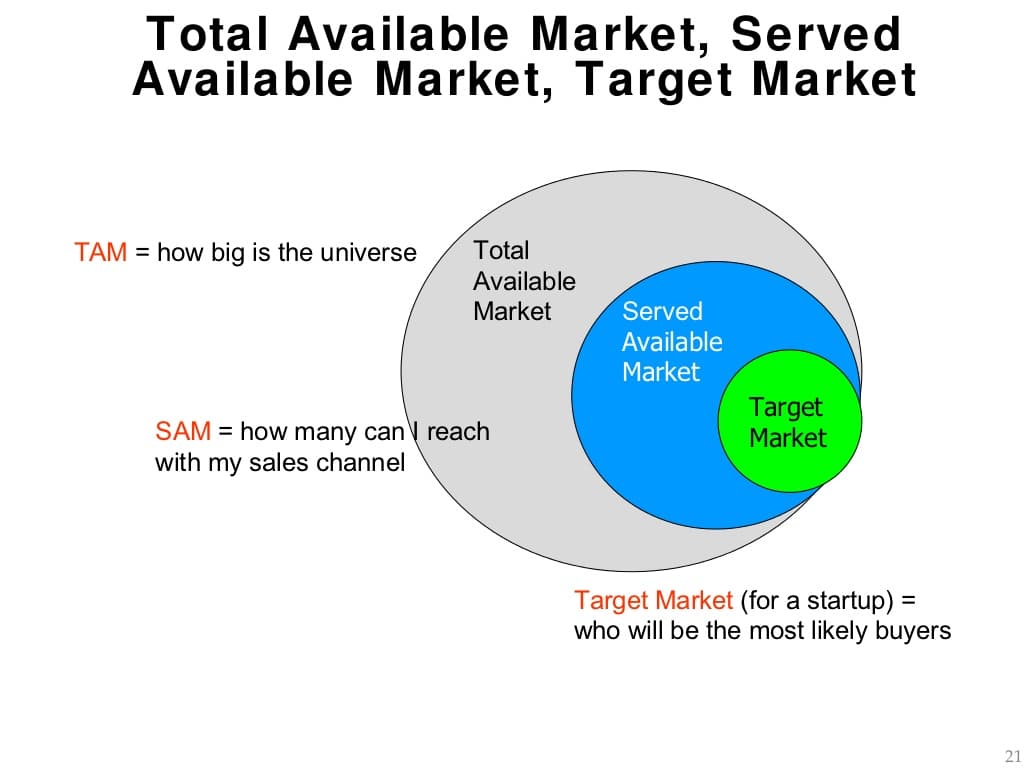
Total Addressable Market (TAM): Sizing Your Revenue Ceiling
Total Addressable Market (TAM) is the maximum revenue possible if you captured 100% of the market for your product. It's used to size a market's ultimate potential for investors.
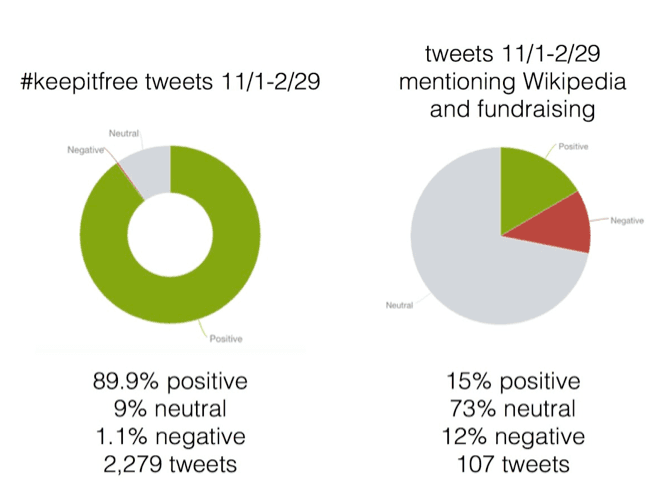
Sentiment Analysis: Reading the Room at Scale
Sentiment analysis is a digital mood ring for text, automatically classifying content as positive, negative, or neutral. It's used to sift through customer reviews and social media to gauge opinion, but often fails on sarcasm or complex context.
The Kano Model: Not All Features Are Created Equal
The Kano model sorts features by how they impact user satisfaction. Use it to prioritize a product roadmap, deciding between fixing basic needs, improving core features, or adding delightful surprises.
Voice of the Customer: Build What People Actually Want
Voice of the Customer (VoC) means capturing user needs in their own words, not your team's jargon. It's used to prioritize features and write marketing copy that resonates. The footgun is treating it as a one-off survey instead of a continuous feedback loop.

Readability Formulas: Scoring Text Complexity
Readability formulas are like a linter for prose, scoring your text's complexity based on sentence and word length. They're used to check if documentation or UI copy is appropriate for the target audience.

StoryBrand: Make the Customer the Hero of Your Message
Stop talking about your company; make the customer the hero of a story where your brand is the guide. Use this for website copy and sales pitches to turn a confusing message into one that drives growth. The footgun is making your brand the hero.
We are hiring for this. Every open role lists the topics its interview covers, so you can prepare for the real thing rather than guessing.
See open roles