Easy concepts in Data Science & Analytics, page 2

Data Warehouse: The Central Repository for Analytics
A data warehouse is a central repository for historical analysis, integrating data from many systems. It's used for reporting and complex queries to find business insights, not for day-to-day transactions.
k-Nearest Neighbors: You Are the Company You Keep
k-NN classifies new data by taking a vote from its closest neighbors. It's used for simple predictions where distance is meaningful, like product recommendations. The main footgun is choosing k: too small is noisy, too large blurs boundaries.
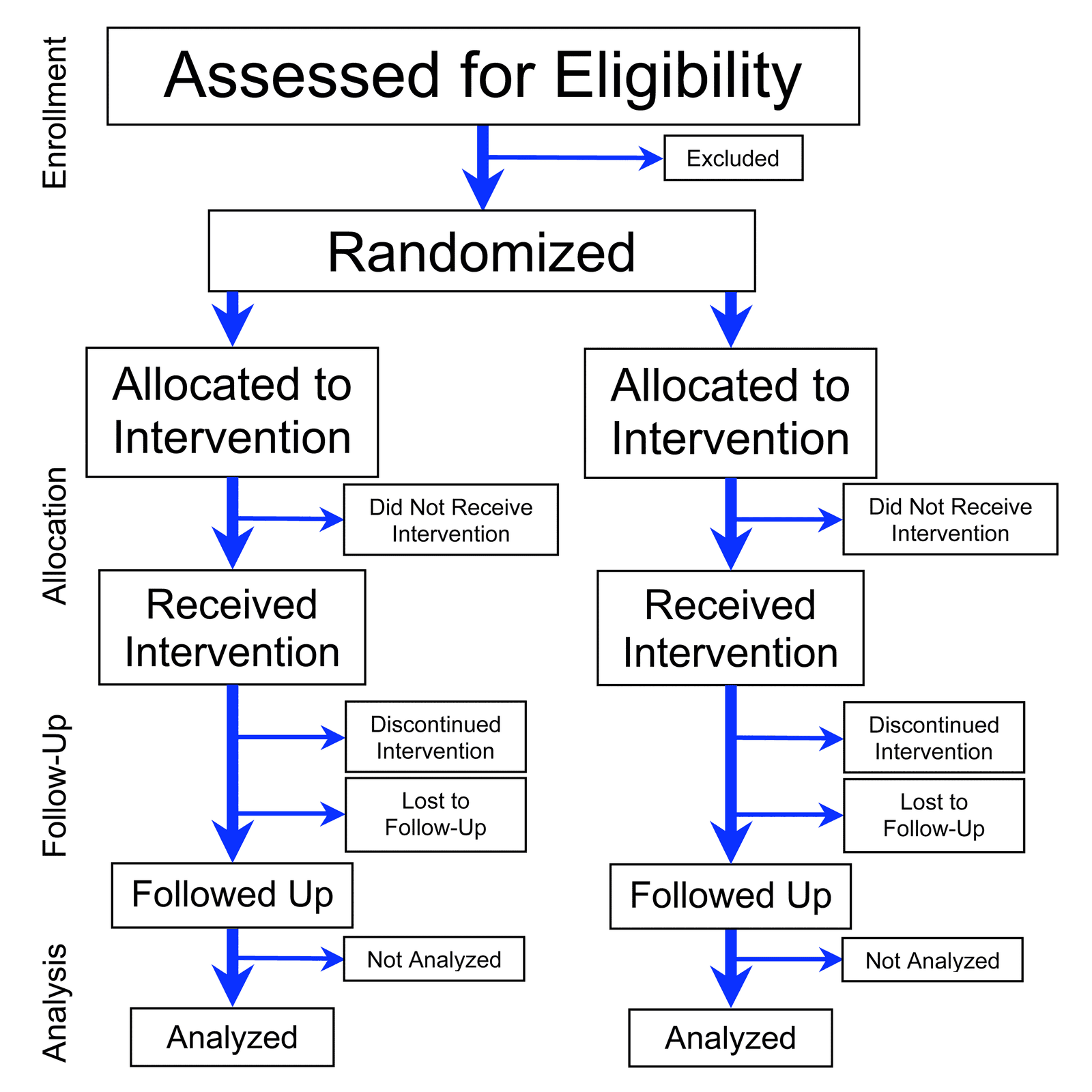
Randomization: Defeating Bias with Chance
Randomization uses chance to assign subjects to groups, isolating the effect you're testing from hidden variables. It's the foundation of A/B tests and clinical trials. The footgun is confusing 'haphazard' selection with true, unbiased randomization.
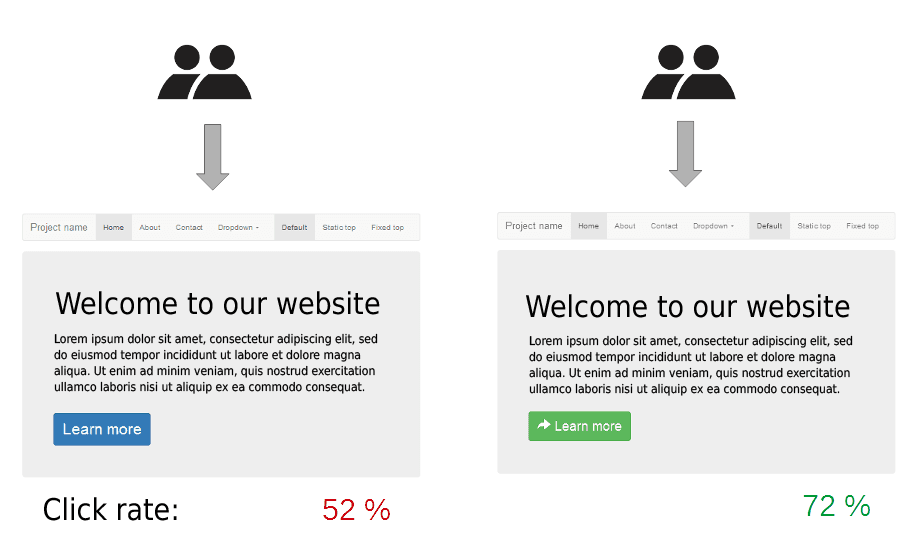
A/A Testing: Sanity-Checking Your Experiments
A/A testing is a fire drill for your A/B testing system. You run two identical versions of a page to ensure your tools are working correctly before a real experiment. The biggest footgun is panicking at a false positive; 1 in 20 tests will show.
Statistical Power: Is Your Test Strong Enough to Find a Real Effect?
Statistical power is your experiment's ability to detect a real effect. A low-power test is like a fishing net with holes too big—the fish swims right through. This is critical for A/B tests. The footgun is concluding "no effect" from a weak test.

Artificial Neural Networks: Learning from Examples
Think of an ANN as a digital brain that learns from examples, not explicit code. It's a network of simple nodes that adjust their connections to spot patterns. They power image recognition and language translation, but are only as good as their training data.

Word Embeddings: Turning Words into Math
Word embeddings turn words into vectors, where distance equals a difference in meaning. They power features like search relevance and text classification by letting algorithms 'understand' context.
Convolutional Neural Networks: Finding Patterns with Filters
A CNN learns to spot features by sliding optimized filters over data like images, audio, or text. It's the go-to for computer vision, but a common mistake is thinking it's the only modern tool, as transformers sometimes replace it.

Transfer Learning: Don't Train Models from Scratch
Transfer learning means not training a model from zero. You start with a model pre-trained on a large, general dataset, then fine-tune it for your specific task. This is common in image recognition, using a general model to learn a niche classification.
Hadoop: Processing Big Data on Cheap Hardware
Hadoop processes massive datasets by distributing work across many cheap computers, assuming some will fail. It's used for large-scale batch processing, not real-time queries. The footgun is treating it like a database instead of a batch processing framework.
HDFS: Store Big Data on Cheap, Unreliable Hardware
HDFS stores huge files across many cheap computers by assuming they will fail. It achieves reliability by replicating data, not by using expensive hardware. Use it for batch processing, but avoid it for low-latency access or many small files.
Audience Analysis: Translate Data for Your Listener
Don't just show data; translate it for your audience. Audience analysis means tailoring communication to who's listening, based on their knowledge and needs. The biggest mistake is assuming your audience shares your context and jargon—they rarely do.

Chartjunk: Less is More in Data Visualization
Chartjunk is visual noise in a graph that doesn't help the user understand the data, like 3D effects or decorative backgrounds. It's common in reports where aesthetics are prioritized over clarity.

Model Versioning: Git for Your ML Models
Think of model versioning as "Git for data." It tracks large models and datasets alongside your code without bloating your Git repo. Use it to reproduce old experiments or roll back to a better-performing model. The footgun is versioning only code, not data.

Model Serving: Turning Trained Models into Live APIs
Model serving wraps a trained machine learning model in an API, making it a live service that can generate predictions. It's how you power features like real-time fraud detection or product recommendations.

Model Cards: The Nutrition Label for AI
A Model Card is a nutrition label for an ML model, detailing its performance, biases, and intended use. It's vital for high-stakes systems to ensure fairness, like in health or legal predictions. The footgun is deploying a model without one, risking misuse.
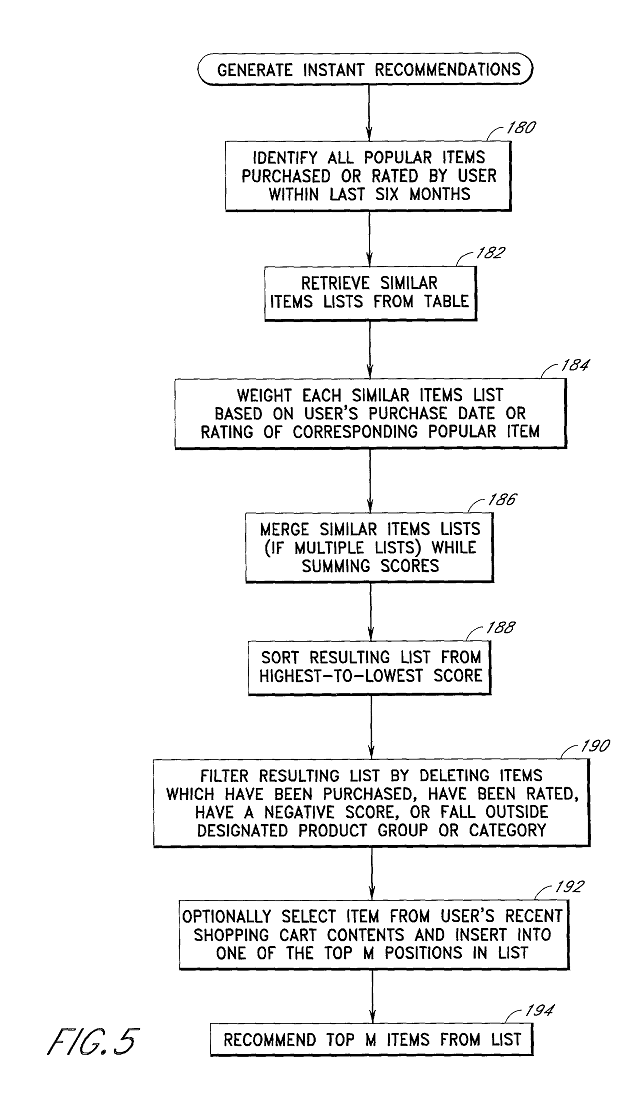
Algorithmic Bias: When Code Creates Unfair Outcomes
Algorithmic bias is a mirror reflecting flawed human data, leading to systematically unfair outcomes. It appears in hiring tools favoring one gender or loan systems denying certain groups. The footgun is assuming tech is neutral; the bias is in the data.
Disparate Impact: When Fair Rules Aren't Fair
Disparate impact is when a neutral rule causes a discriminatory outcome, regardless of intent. This is key in ML fairness, where an algorithm might deny loans to one group more than another, even with objective rules.
We are hiring for this. Every open role lists the topics its interview covers, so you can prepare for the real thing rather than guessing.
See open roles