Intermediate concepts in Design & UX, page 13
Page Templates: The Floor Plan for UI
Page templates are the floor plan, not the furniture: fixed zones where components slot in. Use them for recurring screens like dashboards so teams stop rebuilding skeletons. The footgun is treating them as giant components, forcing brittle overrides later.

Trademark Usage: Treat Brands as Adjectives
A trademark is an adjective, never a verb. When writing copy or UI text, use ™ for unregistered and ® for registered marks, and distinguish them from surrounding text. The footgun is treating brands as verbs or implying endorsement when citing third parties.
Figma Widgets: Live Apps on Your Canvas
Figma Widgets are like mini-apps living on your canvas that everyone interacts with at once, unlike single-user plugins. Use them for collaborative tools like live polls or data tables.
Framework Analysis for UX Research
Framework analysis overlays a proven lens onto raw UX data instead of mining themes from scratch. Reach for it when testing against heuristics, TAM, or accessibility standards.
Component Usage Guidelines as Guardrails
Usage guidelines are guardrails, not the component itself. They tell engineers when to pick primary versus secondary buttons, or when a modal becomes a page. Without them, teams reinvent one component for different contexts, fragmenting the system.
Realistic UI Motion with Easing Curves
Easing curves control animation acceleration to make UI motion feel natural, not robotic. Use 'Ease Out' for elements entering the screen and 'Ease In' for those leaving. The footgun is overusing one curve; this makes motion feel unnaturally perfect.

Truth in Advertising: Claims Must Be Substantiated
Don't just say it, prove it. Advertising claims must be truthful, not misleading, and substantiated with evidence *before* you publish. This applies to all ads, from product performance claims to influencer endorsements.
UX Research Report: Decisions, Not Deliverables
A UX research report is a decision tool, not a data dump; it turns observations into product direction. Teams use it after usability tests to align stakeholders on what to build. The biggest mistake is writing for your ego instead of the reader's next move.
Voice and Tone: One Voice, Many Moods
Voice is your product's personality; tone is its mood in the moment. Guidelines keep every button and error message from feeling written by different teams. The footgun is documenting voice but skipping tone, so a cheerful brand still sends terrifying alerts.
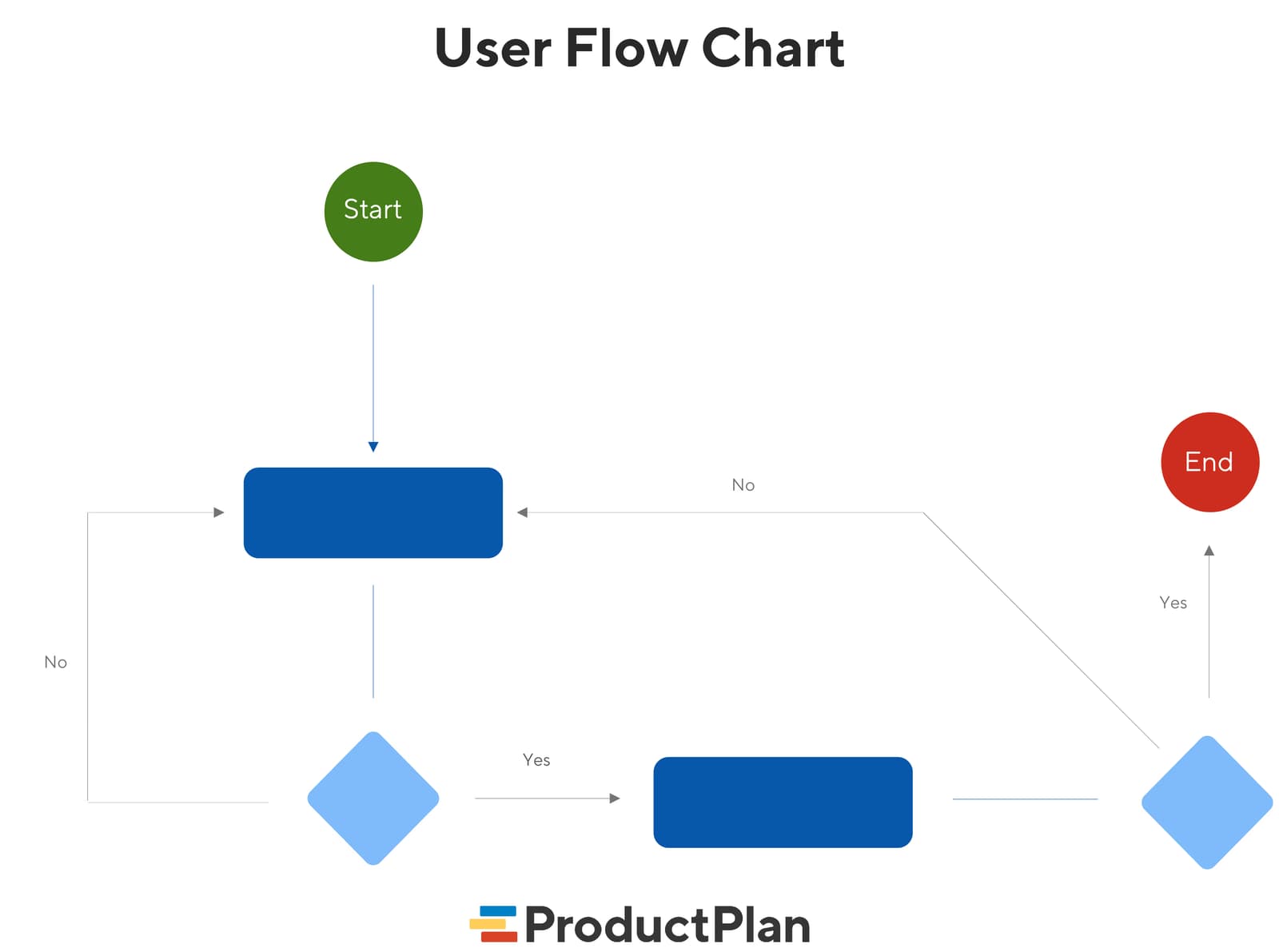
User Flow Diagrams: Mapping the Path to 'Done'
A user flow diagram maps the exact steps a user takes in your app to complete one task. It aligns teams on product goals and gives developers a visual guide, preventing confusion and rework. The footgun: it's not a customer journey, which is far broader.
CAN-SPAM Act: The Rules for Commercial Email
The CAN-SPAM Act sets the rules for commercial email, not blocks it. It requires clear identification as an ad, a physical address, and an easy opt-out method. The law applies to all promotional emails, not just bulk campaigns.
UX Data Storytelling That Drives Decisions
Raw metrics fail to move teams; stakeholders cannot feel user pain. Storytelling with data weaves findings into a narrative arc exposing friction and driving action. The footgun is cherry-picking to fit a preset conclusion instead of letting data lead.
Font Pairing Is Casting, Not Matchmaking
Font pairing is casting: one lead voice, one supporting role that contrasts without competing. A display headline face plus a neutral body sans guides the eye through a dashboard. Using two fonts with similar weights or x-heights creates noise, not hierarchy.
Interactive Component Previews: Docs That Behave
Component previews are live playgrounds: tweak props in docs to see real behavior. Storybook and design system portals use them so developers test variants before adoption. Let preview code drift from production and your docs become lies.
WCAG: The Technical Standard for Web Accessibility
WCAG is the technical rulebook for making web content usable by people with disabilities. It provides testable criteria for websites and apps, often required by law. The footgun is aiming too low; Level AA is the standard target, not just Level A.
Research Playback: The Researcher's Closing Argument
A research playback is your closing argument, not a filing cabinet. It forces stakeholders to confront user evidence when a strategic decision is stuck. The fatal error is narrating methodology instead of insight, which bores the room and kills momentum.
Alignment: Invisible Lines That Structure Interfaces
Alignment is invisible scaffolding: eyes travel along shared edges instead of hunting anchors. In Figma, left-aligning labels and inputs turns chaos into readable flow. Center-aligning long text is the footgun; ragged invisible edges increase reading friction.
Design Token Documentation as Usage Contracts
A design token dictionary translates raw values into intent: it tells engineers when to use color-action-primary versus the raw hex across web, iOS, and Android. Without usage context, teams treat tokens as magic numbers and drift from the system.
Native Advertising Disclosures
Native advertising disclosures are the clear labels, like Sponsored or Ad, that must appear on content designed to blend into a publisher's normal articles or feed, so readers can tell paid promotion from independent editorial before they engage with it.
Atomic Research: Reusable Insight Nuggets
Atomic research treats insights as reusable nuggets rather than trapping them in static reports. It shines when teams build living repositories for continuous discovery. The footgun is dumping raw quotes without synthesis, which buries signal under noise.
We are hiring for this. Every open role lists the topics its interview covers, so you can prepare for the real thing rather than guessing.
See open roles