Concepts in Design & UX, page 30
Structural vs. Thematic Tokens: Job vs. Value
Structural tokens describe the role, like text-primary; thematic tokens describe the value, like blue-500. Split them so retheming does not require hunting hexes. The footgun is using only thematic tokens, which hardcodes intent and breaks dark mode.
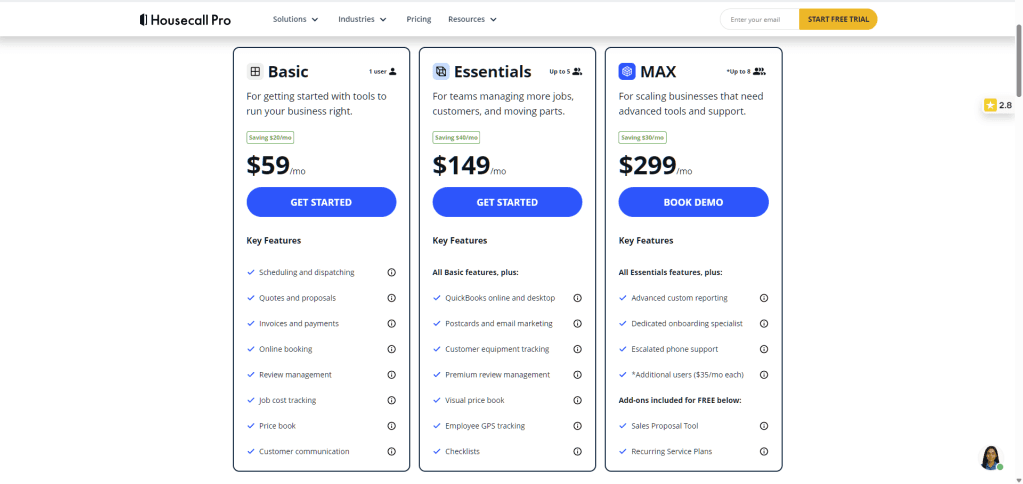
Offer Structuring: Packaging Value, Not Just Services
Offer structuring frames your product to increase its perceived value, not change the product itself. It bundles services into outcome-focused packages and adds bonuses that make a purchase feel easier and safer.
Material Design: Android's Paper Metaphor
Material Design models Android UI as stacked paper with light and elevation. It ships pre-built components like cards and FABs so your app feels native immediately.
Lift Note: The Second Voice in the Envelope
A lift note is a second, smaller letter in a direct mail package, signed by a different person to 'lift' response rates. Use it to add a second voice of authority, boost order values, or upsell deluxe versions. The footgun: the signer must be different.
Map Components to Native Platform Equivalents
Map design system components to native OS equivalents instead of forcing identical custom widgets everywhere. Use this when cross-platform apps must respect platform conventions.
Lead Magnet: Trade a Free Resource for a Customer Relationship
A lead magnet is a free resource—like a tool or ebook—offered in exchange for a visitor's contact info. It's a value trade to start a conversation. SaaS companies use this for product trials, while content sites offer checklists.

Content Curation: Adding Value by Selecting, Not Creating
Content curation adds value by selecting and organizing existing content, not creating it from scratch. It's like being a museum curator for a specific topic, useful for newsletters or knowledge bases.
Thought Leadership: Win Deals Before the Demo
Thought leadership isn't just content; it's selling with a unique point of view. It builds authority in B2B markets through original research and executive insights on LinkedIn, pre-selling buyers.

Content Upgrades: Turn Readers Into Leads
A content upgrade is a specific bonus for a blog post, offered for an email. It patches the "leaky pipe" of traffic, turning readers into leads. Use it on popular articles to offer a hyper-relevant checklist, which converts far better than a generic site-wide…

Gated Content: Turning an Audience into Leads
Gated content is a value exchange: offer an exclusive resource like a report or webinar in return for a user's contact info. It helps turn a general audience into qualified leads.
Preheader Text: The Second Chance to Earn an Open
Preheader text is the snippet after an email subject line that gives a second reason to open. It's vital for marketing and transactional emails to boost open rates. The footgun: if you don't set it, clients grab the first text they find, often 'View in.
Conversion Lift Study: Proving Your Ads Actually Work
A conversion lift study proves your ads caused sales, not just correlated with them. It's a controlled experiment that withholds ads from a control group to measure the true, incremental impact on conversions compared to those who saw the ads.
Confirmation Messages: When to Add Intentional Friction
Confirmation messages are intentional friction, forcing a pause before irreversible actions. Use them when a user is about to delete data, disconnect an app, or close a page with unsaved changes. The footgun is overusing them for reversible actions.
Marketing Attribution: Who Gets Credit for a Sale?
Marketing attribution decides which ad or email gets credit for a sale. It helps justify marketing spend by showing which channels work, preventing the common mistake of giving 100% credit to the final click and ignoring what built initial interest.
Dwell Time: The Metric for Post-Click Satisfaction
Dwell time is a search engine's proxy for content quality, measuring how long you stay on a page after clicking. It's a key ranking signal for Google and a recommendation driver for YouTube.
FTC Endorsement Guides: Disclose Your Connections
The FTC requires you to disclose any material connection to a brand you endorse. If you got paid, received free products, or work there, your audience must know. This applies to social media posts, affiliate links, and reviews.
Crafting a Winning Freelance Pitch
A great pitch answers "someone is doing something for a compelling reason." This formula ensures your story has stakes and action, whether you're pitching an article to a journalist or your services to a marketing manager.
Scope Creep: When 'Just One More Thing' Derails a Project
Scope creep is the slow, uncontrolled addition of work after a project starts. It happens when requirements aren't locked down, causing budget and schedule overruns. The footgun is thinking it can be eliminated; the real skill is managing it, not ignoring it.
Active vs. Passive Voice: Who Did What?
Active voice puts the actor first ("The engineer deployed the code"). Use it in docs and commits for clarity. The footgun is overusing passive voice, which makes writing wordy and hides who is responsible for an action, creating ambiguity.

The Slippery Slide: Writing Copy Readers Can't Stop Reading
The Slippery Slide treats your copy like a playground slide: the only goal of the first sentence is to get the reader to the second, and so on, until the call to action. It's used in ads to guide users from headline to purchase.
We are hiring for this. Every open role lists the topics its interview covers, so you can prepare for the real thing rather than guessing.
See open roles