Advanced interview questions in Design & UX
Structuring release notes for breaking API changes
Lead with a summary and why, group breaking changes with before/after migration steps, give deprecation timelines and an upgrade path.
Describe a lightweight research method to validate a feature with no researcher
What it tests: bootstrapping validation without research headcount. Answer outline: unmoderated concept tests or concierge MVPs; behavioral vs attitudinal data; lightweight recruiting. Red flag: shipping A/B tests or using only internal opinions.
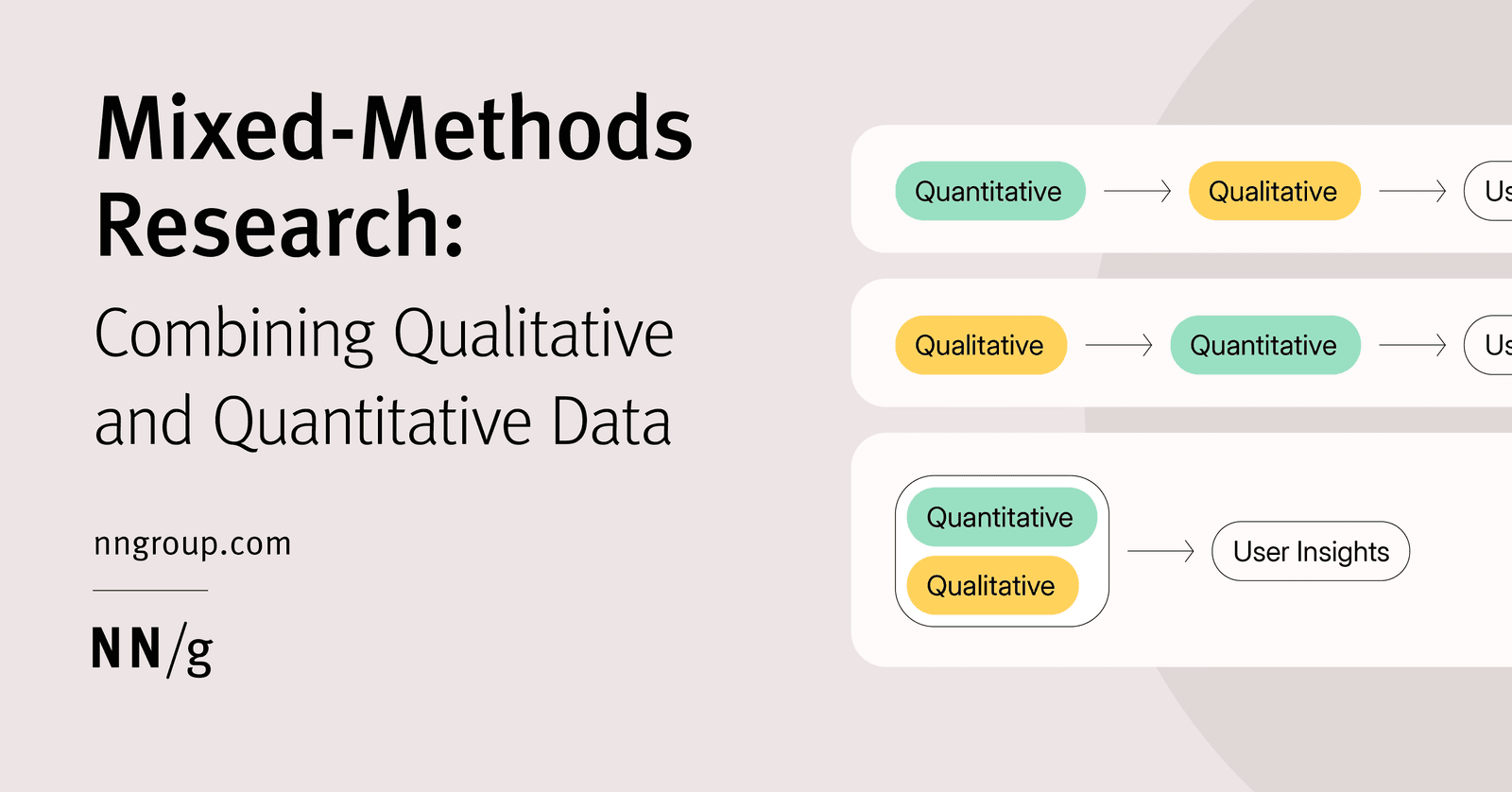
How would you instrument a feature to validate qualitative findings quantitatively?
Mapping themes to events, picking guardrail and success metrics, and sampling.
How do you model and articulate long-term design debt cost to stakeholders?
Estimate refactor hours and support tickets; show fixes cost 3-5x more later; map inconsistency to trust erosion.
What governance model would you propose for a centralized design system?
Tests balancing standardization with autonomy across legacy silos. A strong answer proposes a hybrid model with a core team and contribution rules, weighing consistency against migration cost.
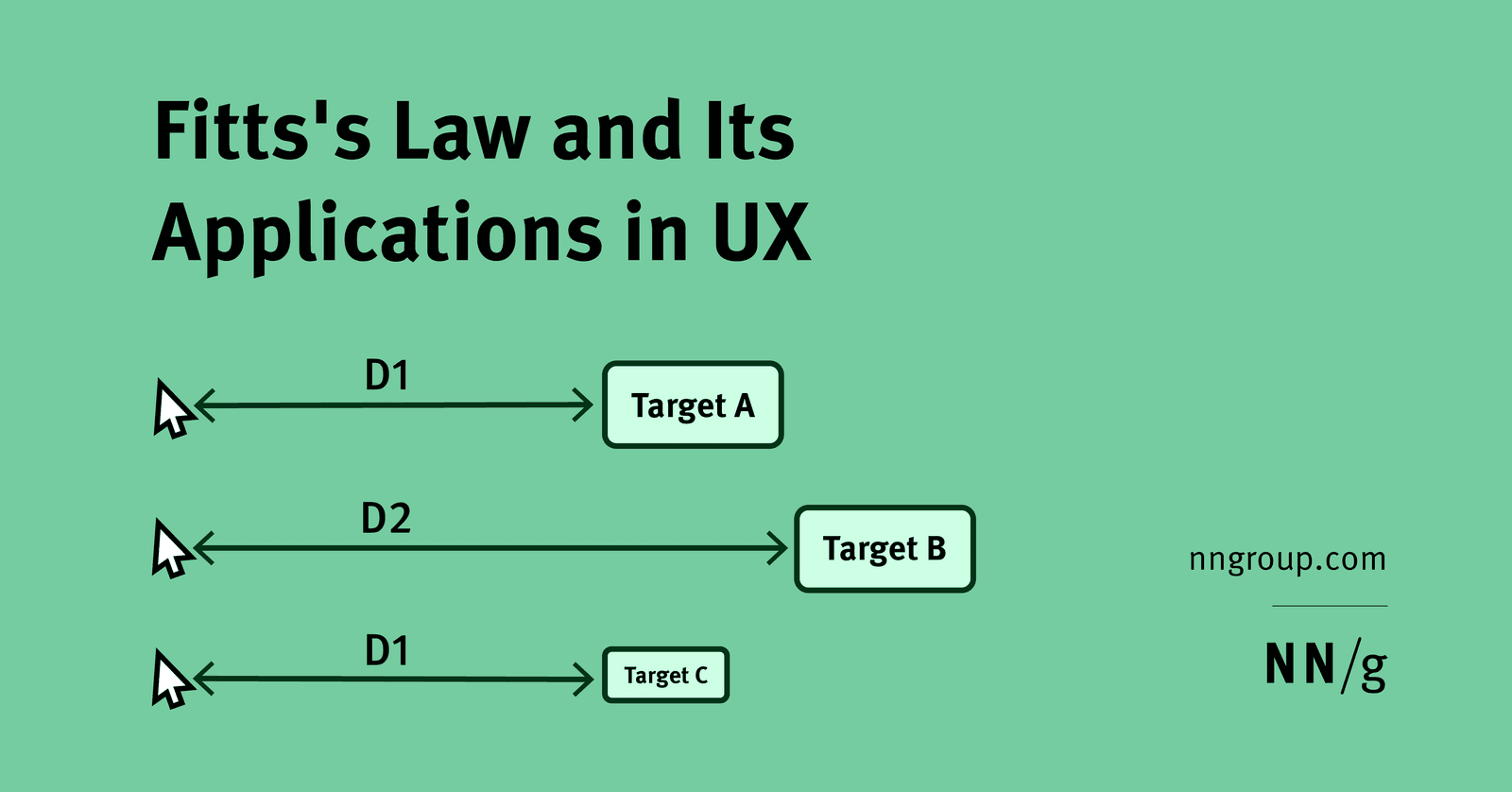
Use Fitts's Law to size and place primary vs secondary mobile actions
Large primary actions in easy thumb zones; secondary actions farther but keep minimum targets.
How do you handle a product team requesting a custom Button?
This tests governance discipline. A strong answer asks context questions to separate misuse from a real gap, uses a decision tree for actions and CTAs, and extends the system with a documented variant. A red flag is instantly greenlighting a custom fork.
.avif&w=1600&q=75)
How does a mature design system change cross-functional collaboration?
Tests whether you view maturity as a collaborative operating framework, not just components. Strong answers hit shared definitions of done, living documentation, code/design parity, and trust-based adoption. Red flag: calling it a docs or enforcement problem.
Design a next-best-article recommender
Content-based on article embeddings, collaborative on behavior, a hybrid blend, popularity or onboarding fallbacks for new users.
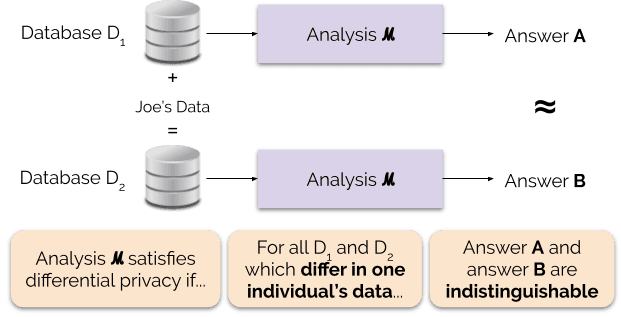
Apply differential privacy to user behavior queries and explain epsilon trade-offs
Mastery of formal privacy guarantees and noise-based query systems. Inject Laplace or Gaussian noise scaled to query sensitivity; track cumulative epsilon across queries; lower epsilon tightens privacy but increases variance and error bars.

Propose a multi-armed bandit system to optimize headlines faster
This tests online learning and the explore-exploit tradeoff. Answers contrast fixed A/B with adaptive allocation, sketch a Bayesian bandit service with a min exploration rate, and note delay.

Propose an automated de-identification pipeline for video interview recordings
Propose CV redaction, ASR/NLP for names, human QA, and consent tracking; note model bias and re-ID risk.

How would you structure a multi-theme color system in Figma and CSS?
Primitives and Semantic collections with theme modes; pipeline to CSS variables; components use semantic tokens only.

Describe a robust architecture for implementing theming using design tokens
Three tiers, CSS custom properties for live switching, and layered overrides.
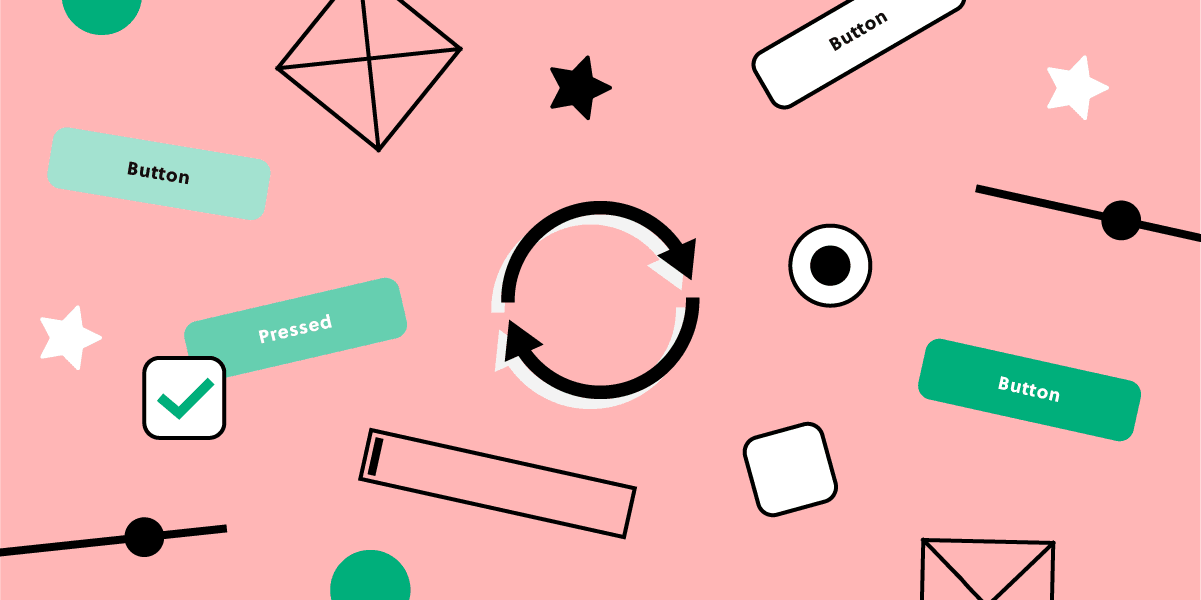
How do you handle a one-off token exception for a campaign?
Tests balancing speed and systemic consistency. Strong answers outline a governance fast-track with sunset clauses, document the exception, and isolate it via campaign overrides instead of mutating core tokens. Red flag: permanently hardcoding the one-off.
How do you apply systematic rules to asymmetrical layouts predictably?
Grid and spacing tokens as guardrails; deliberate ratios create asymmetry, not random offsets; engineers get rules, not pixels.
How do you optimize nested Auto Layout for performance?
Tests architectural restraint and layer complexity in Figma. Strong answers use Grid and Wrap to avoid deep nesting, remove redundant groups, and favor component instances. Red flag: proposing invisible spacers or manual positioning hacks.

Design a secure templating engine for user notifications
Tests balancing creator flexibility with defense-in-depth security and i18n. Strong answers cover context-aware auto-escaping, a restricted AST grammar, ICU MessageFormat for pluralization, and sandboxed execution.
Propose an NLP approach to audit brand voice and build a dashboard
This tests turning brand principles into measurable NLP features. A strong answer uses readability for simplicity and agency verbs for empowerment, scores copy via LLM classifiers, and visualizes trends by product area.

Design a type-safe polymorphic component that renders as different HTML elements
Tests TypeScript generics and prop forwarding in design systems. Answer: generic as constrained to keyof JSX.IntrinsicElements, merged with ComponentPropsWithoutRef<C>, omit clashes, forward ref with ElementRef.
We are hiring for this. Every open role lists the topics its interview covers, so you can prepare for the real thing rather than guessing.
See open roles