Advanced interview questions in Design & UX, page 4

How do you trace data points to journey map stages?
Tests auditable evidence chains for technical buy-in. Answer covers a traceability matrix linking quotes to stages and pain points, plus validation sessions where engineers inspect source data. Red flag: presenting the map as intuition without source docs.

How do you challenge assumptions and mitigate confirmation bias during synthesis?
Tests structural defenses against confirmation bias, not vague mindfulness. Strong answers name concrete protocols like hypothesis reversal, separate raw evidence from interpretation, and triangulate with logs.
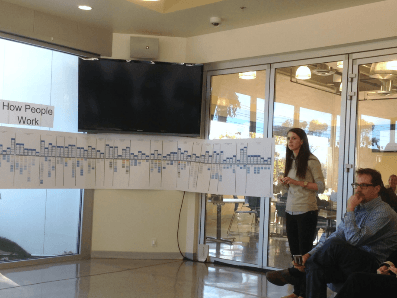
What analytical frameworks structure synthesis beyond thematic analysis?
Tests if you model problems structurally, not just code themes. Strong answers pair mental models to map user goals with JTBD to prioritize unmet needs by importance and satisfaction. Red flag: naming frameworks without explaining how they reshape synthesis.
Explain SPF, DKIM, and DMARC roles and implementation tasks
SPF authorizes IPs, DKIM signs content, DMARC aligns both to the From domain and enforces policy plus reporting.

Build a system to send 1M personalized emails in 2 hours
This tests async distributed throughput and deliverability. Cover partitioned queues, auto-scaling workers, per-ESP rate limits, IP rotation, and exponential backoff with dead-letter queues. Red flags: synchronous sends, skipping IP warmup, or no retry logic.
Design a personalized newsletter recommendation pipeline
Tests batch versus stream tradeoffs and send-time personalization constraints for millions of recipients. A strong answer covers event capture, 24-hour aggregation, lightweight rec generation, and template injection before send.

Describe a workflow to sync Figma tokens to front-end code
Tests if you see tokens as version-controlled code. Strong answer: Tokens Studio pushes W3C DTCG JSON to Git; CI runs Style Dictionary to emit CSS or JS. Red flag: saying the artifact is a Figma file or manual spec sheet.

Explain statistical power and respond to extending a null A/B test
This tests statistical power and p-hacking judgment. A strong answer defines power as detecting a true effect, rejects extending the test to chase significance, and requires pre-registered sample sizes. Agreeing to run until it hits significance is a red flag.
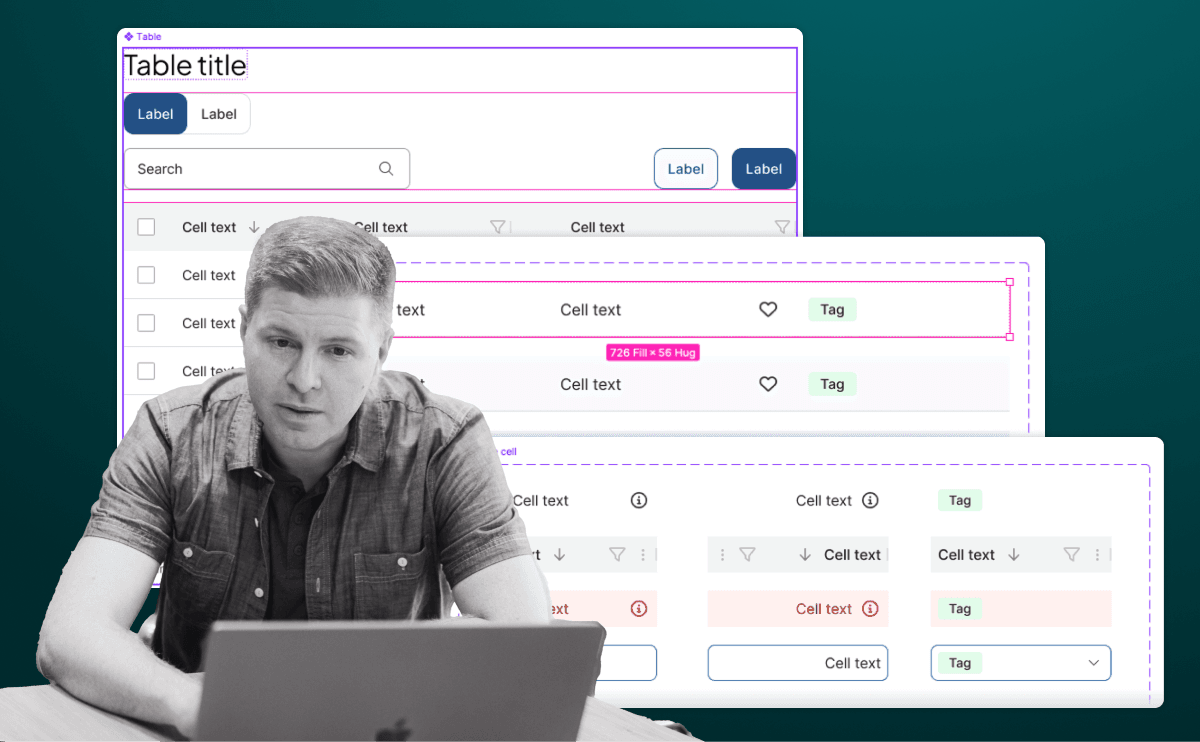
Design a flexible Table component in Figma with slots
Tests Figma Slots to avoid variant bloat. Answer: Cell variants; Row as a horizontal Slot with zero padding for dividers/hover; Table as a vertical Slot for rows plus a header Slot; componentize the configured row for bulk edits.
What metrics and models link onboarding to long-term retention?
Track activation-to-D90 metrics; use Cox/AFT or diff-in-diff; control censoring.

How would you automatically audit WCAG AA contrast in Figma?
This tests Figma plugin vs REST API color extraction limits. Good answers contrast live traversal with export-based analysis, cite WCAG AA ratios of 4.5:1 and 3:1, and note opacity. A red flag is assuming the REST API can sample pixels without image export.
Constructing a design system ROI formula
ROI equals (benefits minus cost) over cost; benefits from time saved, defect reduction, and faster onboarding; gather data via analytics and tickets.
Isolating the design system's velocity impact
Use comparison groups, difference-in-differences or before-after baselines, and control for confounders; cite mechanism data like component reuse.

How would you implement a multi-armed bandit for real-time ad optimization?
Use Thompson Sampling or UCB1; split low-latency inference from async updates; track regret.
Quantifying the cost of a missing component
Scan repos for duplicate hand-rolled tables, count implementations and lines, estimate redundant build and maintenance hours plus defect rates.
How do you use research to build a case for architectural investment?
Quantify churn, tie UX debt to revenue, propose phased rollout, anchor to strategy.
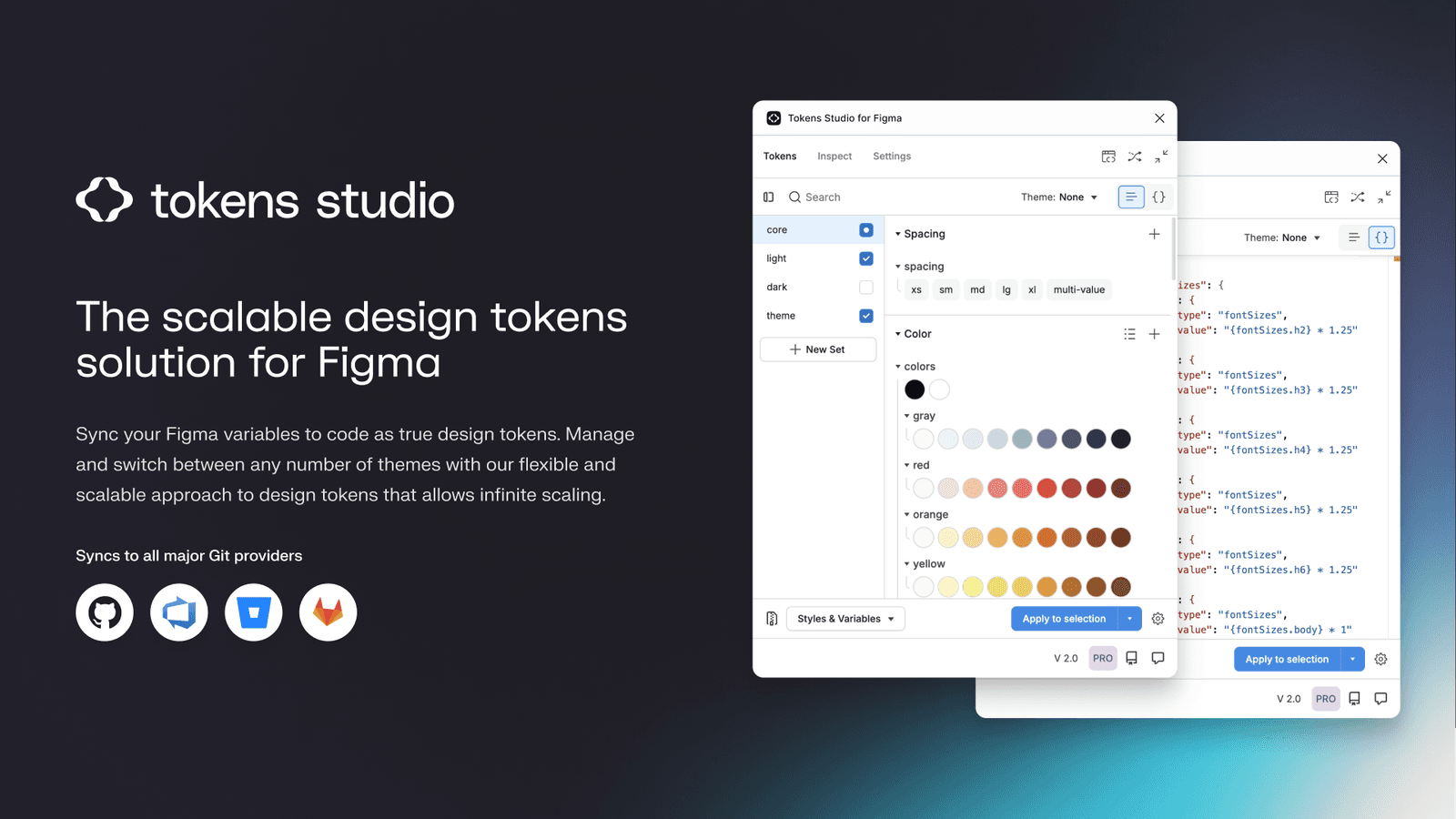
How would you establish design tokens in Figma and sync with production?
Tests design-to-code architecture. A strong answer outlines primitive-to-semantic tokens in Tokens Studio, W3C DTCG JSON synced to Git, and Style Dictionary transforms in CI/CD. Red flag: manual exports or treating Figma styles as the source of truth.
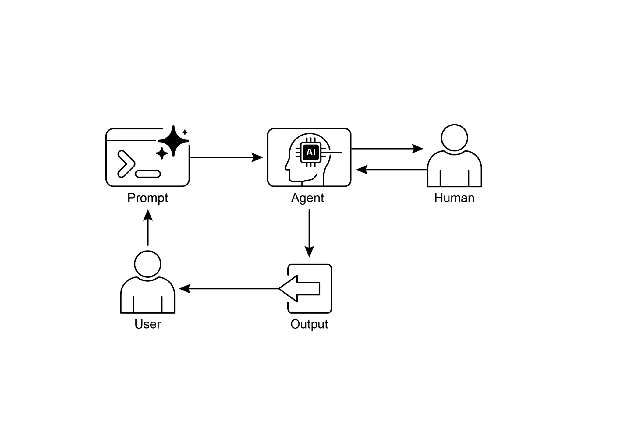
Design an LLM ad copy system with human-in-the-loop
LoRA on approved copy, inference guardrails, human review, feedback as preference pairs for RLHF.
How would you model cross-platform ad campaign data and adaptation logic?
Propose a canonical model, platform adapters mapping copy to each schema, and an async pipeline with validation.
Coexisting major versions during migration
Scoped aliases or namespaced packages, isolated token scopes, and incremental migration.
We are hiring for this. Every open role lists the topics its interview covers, so you can prepare for the real thing rather than guessing.
See open roles