Interview questions in Design & UX, page 21
Measuring design system adoption and health
Component coverage and version spread from code scans, usage analytics, issue and satisfaction signals.

How can an engineer contribute to UX research with limited user access?
Treating UX research as a team sport using engineering assets when participants are scarce. Answers cover: mining logs for proxies; prototyping with internal experts; leveraging sales for intros.
Use Boolean and Text properties to build a flexible card component
Boolean toggles image; Text properties override title and description; auto layout handles reflow.
How do you consolidate scattered feedback and track document revisions?
Your ability to turn chaos into a structured approval workflow. A strong answer covers triage into one source of truth, owner assignment per revision, and tracking tools. Red flag: manual consolidation without version control or deadlines.
Gradual design system adoption in legacy code
Coexistence strategy, codemods for mechanical swaps, lint rules to block regressions, prioritize high-traffic surfaces.
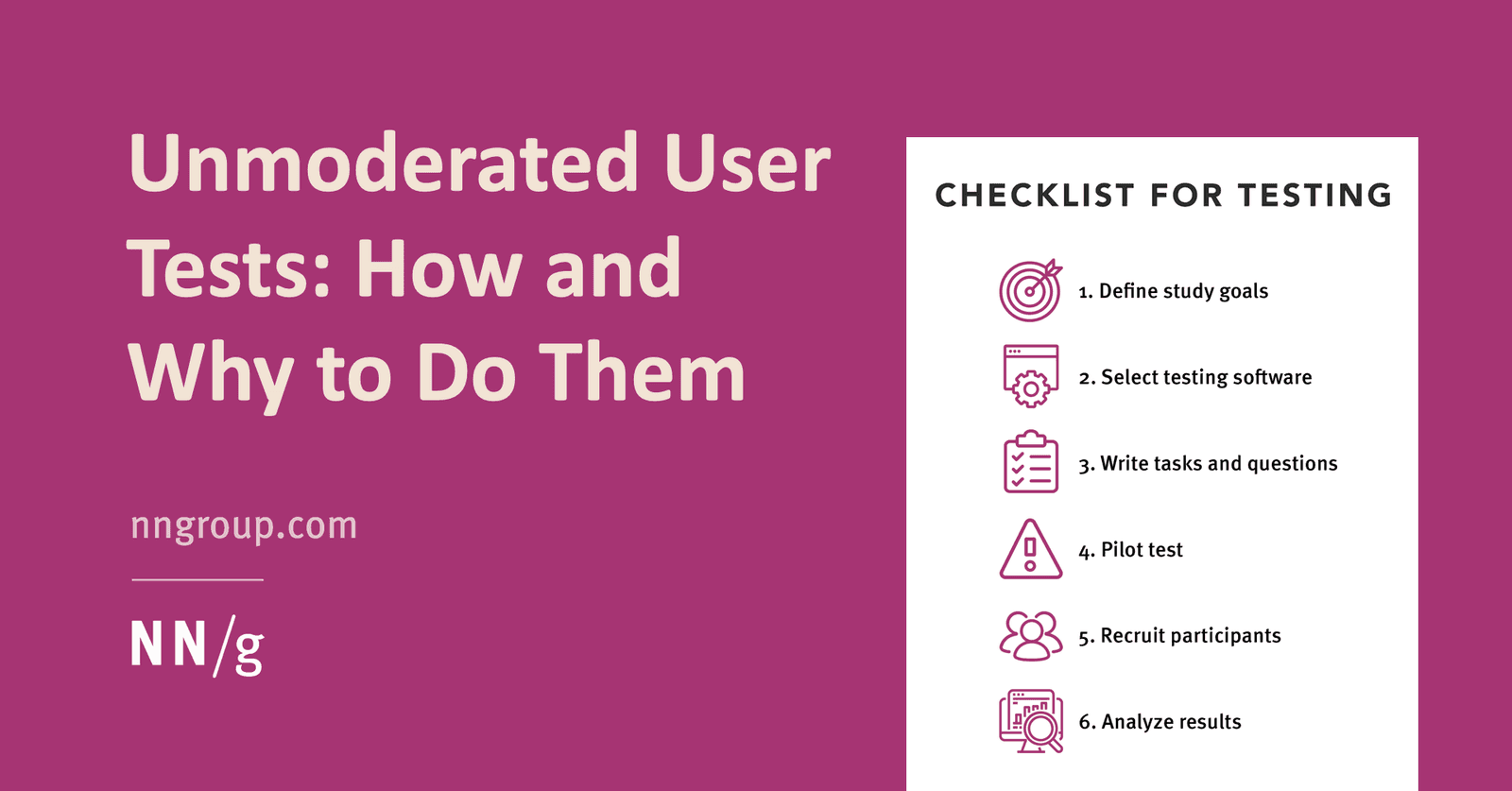
Describe the technical setup and trade-offs of large-scale unmoderated checkout usability testing
Clickstream logging, success rates, surveys; contrast speed with moderator engagement.
How would you structure a flexible data table component in Figma?
Tests atomic design and Figma component architecture using slots and booleans. Answer: build a base row with swappable cell slots, booleans for checkboxes, and variant states for hover and selected. Red flag: detached instances or manual overrides per row.

Design a scalable documentation system for three engineering teams
Tests prioritization and process design for a sole writer supporting three engineering teams. Strong answers use tiered intake with SLAs, a public Kanban board, and async status updates. Red flag: ad-hoc prioritization through Slack DMs with no queue.
Linking form-component adoption to fewer a11y bugs
Define both variables, segment by adoption level, control confounders, watch correlation-versus-causation.

How do you break down an abstract UX solution into shippable stories?
This tests translating vague UX research into incremental delivery. A strong answer uses story mapping with UX and Product to find thin vertical slices that reduce confusion, validating each increment.
How do Figma Variables and component properties enable theme switching?
Tests binding semantic variable collections to component layers for theme switching. Outline: create Light/Dark modes, apply variables to fills, spacing; override modes on instances. Red flag: separate masters per theme or using colors in component properties.

Design an automated system to validate tutorial snippets against new releases
Separate API docs from other snippets; run CI on new dependency versions; inject secrets via hooks.
Measuring designer efficiency from Figma data
Library component usage and detach rates from Figma, time-to-mockup, override frequency via the API.
How do you proactively collaborate with a researcher before a complex study?
This tests cross-functional partnership. A strong answer hits four things: share system boundaries, align on research goals via mutual education, scope the study for tangible user impact, and reframe methods into accessible language.
Prototype a conditional Submit button with Figma variables
Tests boolean logic in Figma prototyping. Strong answers bind inputs to string variables, conditionally check that email and password are non-empty, then toggle a boolean to enable Submit.

What metrics prove documentation business impact and how do you instrument?
Tests tying docs to revenue and costs. Strong answers present acquisition (dev signups, quickstart rate), adoption (endpoint breadth, trial conversion), and deflection (support tickets) via event instrumentation and CRM joins.
End-to-end process for a Modal props API break
Justify and design the change, additive rollout with deprecation, major release plus codemod, comms and adoption tracking.
Design metadata and data structure for a searchable research repository
Tests structuring qualitative data for search and reuse. A strong answer uses linked tables for studies, participants, insights, and clips, with fields for date, method, theme tags, and severity.
How would you prototype a shared currently playing state in Figma?
This tests global state via Figma variables. Use one string variable for the active track; bind list and miniplayer to it via component properties; wire taps to update the variable. Avoid duplicating state per frame or faking persistence with overlays.

How would you structure API docs and tools for reference and narrative?
Tests if you separate auto-generated reference from narrative guides. Strong answers pair OpenAPI/Swagger endpoints with hand-written getting-started tutorials and conceptual overviews in a docs-as-code static site.
We are hiring for this. Every open role lists the topics its interview covers, so you can prepare for the real thing rather than guessing.
See open roles