Easy everything in Design & UX, page 6

What HTML attributes and elements make a banner accessible to screen readers?
This tests semantic HTML for decorative and informative images. A strong answer names img alt, heading levels, and a landmark region such as aside with aria-label. A red flag is relying on CSS or divs without text alternatives.
How would you track which headline wins in an A/B test?
Tests end-to-end experiment instrumentation across the stack. Outline: deterministically bucket users, serve variant A or B, emit click events, and aggregate by variant.

Track a 'Request a Demo' button click
End-to-end click instrumentation. A strong answer covers: a DOM listener on the button, a custom event name like request_demo, and a payload with page path and button ID.
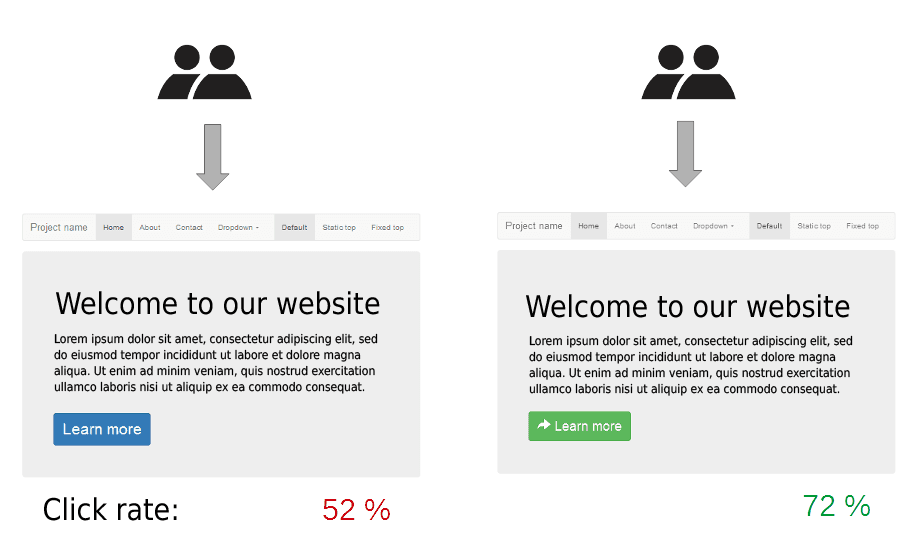
Explain statistical significance in copy A/B tests and why one day fails.
This checks if you distinguish signal from noise. A strong answer defines statistical significance as confidence a difference is real, warns that one-day samples are small and skewed by variance, and cites false positive risk.
What CTA metric wins an A/B test and how to log it?
This tests connecting instrumentation to business outcomes via a click metric and tracked event. An answer picks click or conversion rate, fires an event with variant ID, and notes uniqueness. A red flag is using views without linking the event to the button.

How do you convert dense documentation into a spoken video script?
Shorter sentences, inline context instead of footnotes, conversational second-person voice, verbal signposts, and visual cues.
How do you handle UI text pluralization with ICU Message Format?
This tests i18n depth beyond adding an 's'. A strong answer names ICU MessageFormat, lists the six CLDR plural cases, and notes translators provide strings per case. Red flag: hard-coding suffixes or simple if/else logic that breaks in Polish or Arabic.
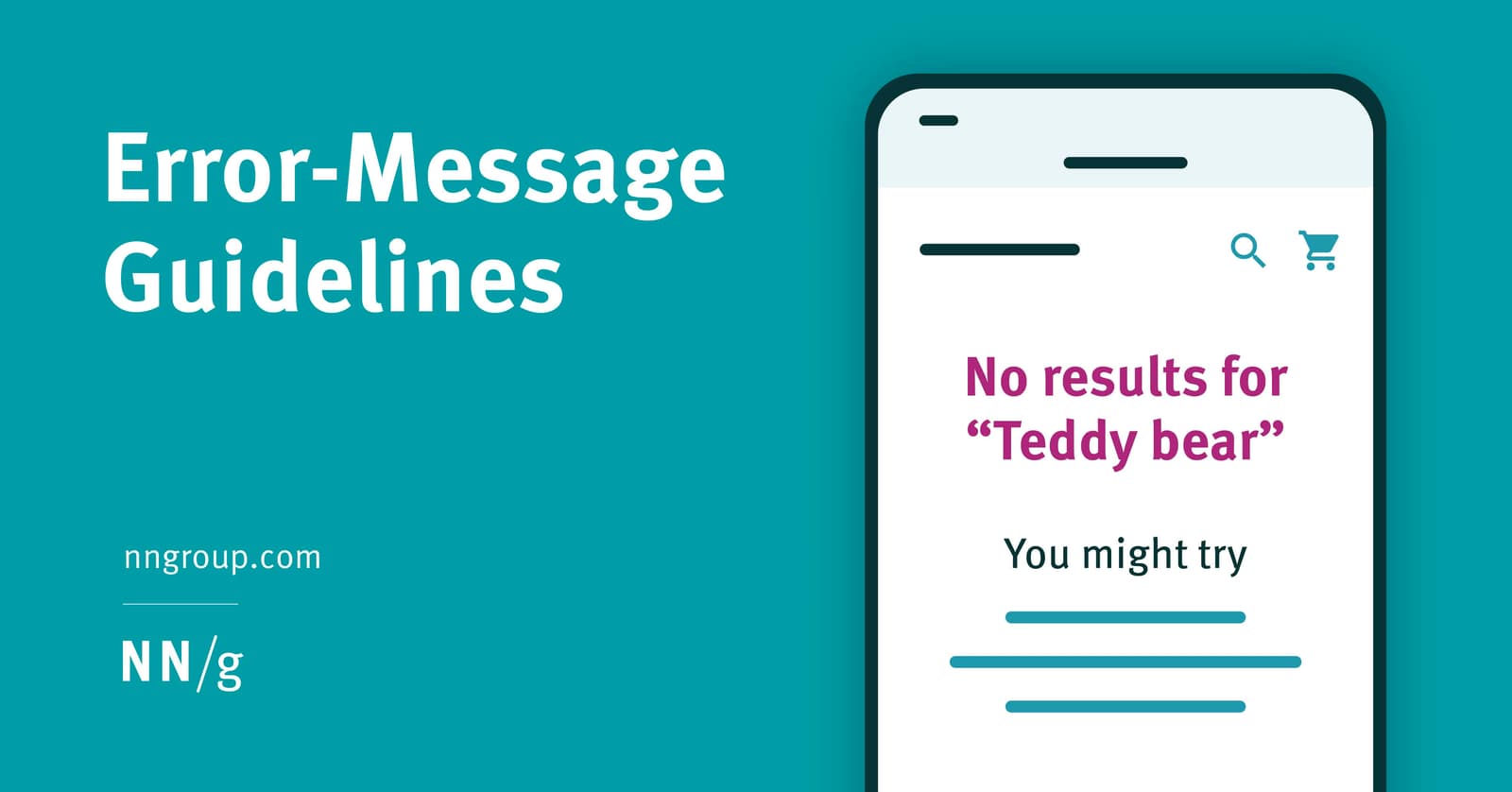
How would you implement specific error messages for failed validation rules?
Error codes from validators, a mapping layer separating logic from copy, and accessible inline rendering.

Design a simple templating system for ad copy generation
Tests separation of concerns and API design. A good answer: data model separate from template, placeholder syntax, graceful missing-value handling, and HTML escaping. Red flag: naive string concatenation without validation or extensibility.
Design a database schema for an ad A/B test
Tests separating high-volume events from slow-changing experiment metadata. Strong answer: distinct tables for variants, impressions, and clicks; clicks link to impressions; a user-assignment table avoids duplicating variant data per event.
How would you programmatically populate an HTML email template?
Pick a template engine, bind the user object as context, render HTML, and send via a mailer.

Technical differences: transactional email vs marketing newsletters
Transactional uses SMTP or API for fast alerts; marketing sends millions via segmented lists needing IP warm-up, spam checks, and unsubscribes.
How do you dynamically populate Open Graph and Twitter Card meta tags?
This tests server-side meta injection from article data. A strong answer covers the four required og properties, Twitter Card name-attribute equivalents, and structured image metadata like width, height, alt.
Build a dynamic table of contents from article h2 tags
Query h2s with querySelectorAll, assign ids, map to anchor links, append a nav list.
How would you instrument a CTA button and describe its event payload?
This tests basic event instrumentation and payload design. Mention a click listener, a gtag call with an event name, and parameters like button_text and page_path. A red flag is a bare event name with no parameters or mixing pageviews and clicks.

Describe how you'd implement an A/B test for a landing page headline
Mention deterministic bucketing, anti-flicker rendering, tracking with variant IDs, and sample-size planning.

What critical on-page SEO elements would you extract from HTML?
Tests if you know which HTML elements search engines use to index pages. Strong answer: title tag, H1, and meta description shape search results and topical relevance. Red flag: claiming meta descriptions directly affect rankings or conflating H1 with title.
Differentiate informational, navigational, and transactional intent and classify keywords programmatically
Define three intents by user goal; regex-match modifiers like what/how vs buy/near; check SERP features.
Design a database schema for a blog with posts, authors, and tags
Tests normalization and many-to-many design. A strong answer covers a users table with role enum, a posts table referencing user_id, and a post_tags join table for categories. Red flag: storing tags as a comma-separated string in the posts table.
How would you design a centralized copy service for consistent UI text?
This tests separation of UI and content. A strong answer uses a key-value map with semantic IDs, a lookup hook, and context injection so components call copy.button.save. Red flag: raw strings in JSX or a database for static English-only copy.
We are hiring for this. Every open role lists the topics its interview covers, so you can prepare for the real thing rather than guessing.
See open roles