Advanced concepts in DevOps & Cloud, page 3
Mutation Testing: A Fire Drill for Your Test Suite
Mutation testing is a fire drill for your test suite. It deliberately injects small bugs ('mutants') into your code to see if your tests fail as expected. This ensures tests validate behavior, not just execute lines.
Container Image Signing: Verifying What You Run
Think of image signing as a digital "tamper-evident seal" on your containers. It proves who built an image and that it hasn't been altered. This is crucial for production systems to prevent running malicious code.
DAST: Probing a Running App for Security Flaws
DAST acts like an automated pen-tester, attacking your running application from the outside to find flaws without seeing the code. It's used in CI/CD to catch common web vulnerabilities. The footgun: DAST can't see the code, so it misses business logic errors.
Loki: The Log System That Indexes Labels, Not Text
Loki is a log system that indexes only metadata labels, not the full log content. This makes it cheaper and simpler to run than full-text indexing systems, storing compressed logs in object storage.
Test Data Management (TDM): Stop Flaky Tests
Test Data Management (TDM) treats test data like code: versioned, managed, and reliably provisioned to ensure consistent, meaningful tests. This is crucial in CI/CD pipelines where automated tests require repeatable data states.
Inverted Index: The Engine of Fast Log Search
An inverted index makes log search fast by mapping terms to the logs containing them, like a book's index. It powers platforms like Splunk or Elasticsearch, enabling instant searches across terabytes of data. The footgun is indexing high-cardinality fields.

Query Federation: Combining Prometheus Servers
Query federation lets one Prometheus server scrape metrics from another, creating a meta-monitor. Use it to build a global view from local servers or to combine application and infrastructure metrics for richer alerts.
DNS Routing Policies: Directing Traffic with Intention
DNS routing policies are a control plane for your domain, directing users based on location, latency, or server health. Use them for disaster recovery (failover) or canary releases (weighted). The footgun: confusing geolocation with latency-based routing.
Cloud Direct Connect: A Private Lane to the Cloud
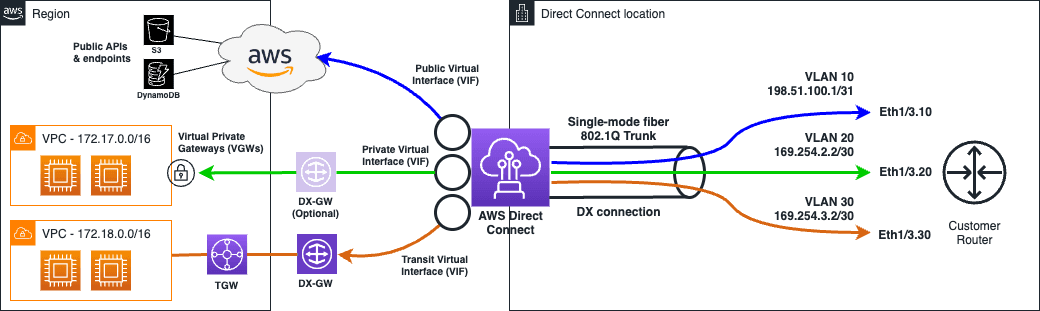
Think of Direct Connect as a private fiber-optic highway from your datacenter to the cloud, bypassing the public internet. It's for stable, high-bandwidth needs like large data transfers where public internet performance is too unpredictable or insecure.
Global Server Load Balancing (GSLB): DNS for High Availability
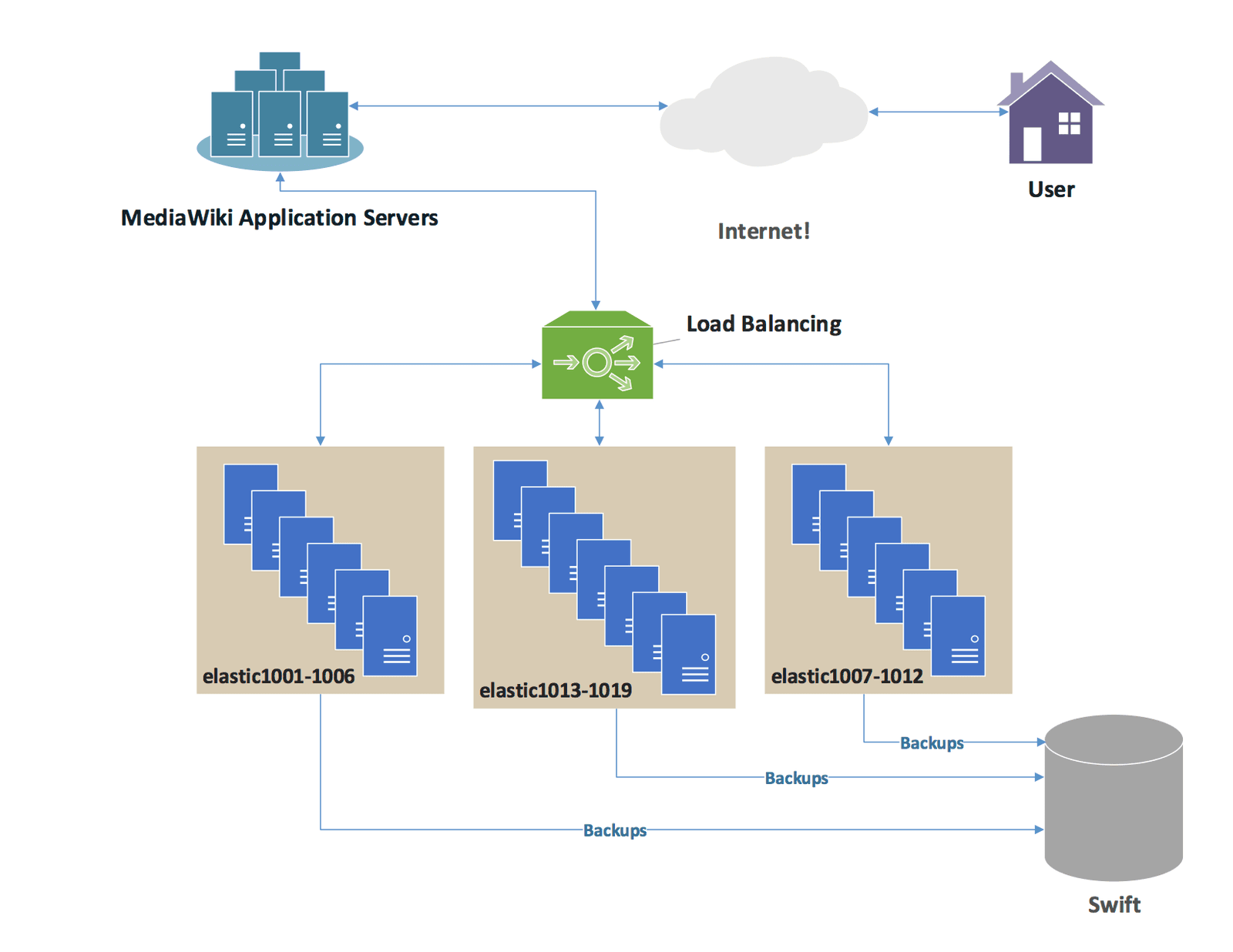
Global Server Load Balancing (GSLB) uses DNS to route users to the best data center, not just the best server. It considers geography, health, and load to provide disaster recovery and lower latency.
Kubernetes Controllers: The Reconciliation Loop
A Kubernetes controller acts like a thermostat for your cluster, constantly working to make the actual state match your desired state. It's the engine behind Deployments and ReplicaSets, ensuring the right number of pods are always running.
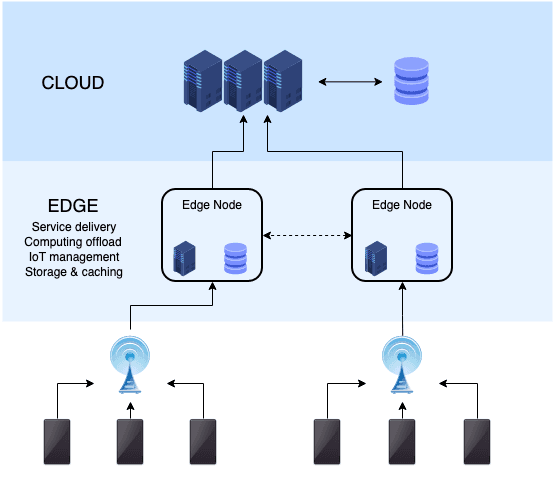
CDN Edge Computing: Code at the Cache
CDN Edge Computing runs your code at the network edge, not just caches files. It's for low-latency tasks like A/B testing or auth checks. The footgun is treating it like a full backend; it's stateless and resource-constrained.
kube-scheduler: The Cluster's Matchmaker
The kube-scheduler is your cluster's matchmaker, assigning new Pods to the best possible Node based on their needs. This is the default workload placement engine. The footgun is thinking it runs Pods; it only *assigns* them to a Node.
kube-controller-manager: The Cluster's Reconciliation Engine
The kube-controller-manager is Kubernetes' reconciliation engine, running multiple control loops to make the cluster's actual state match your desired state. It handles tasks like ensuring a Deployment has the correct pod count.

Software Bill of Materials (SBOM): An Ingredient List for Your Code
An SBOM is a nutrition label for your code, listing every library and dependency. It's crucial for security audits and managing supply chain risk, letting you instantly find systems affected by a new vulnerability.
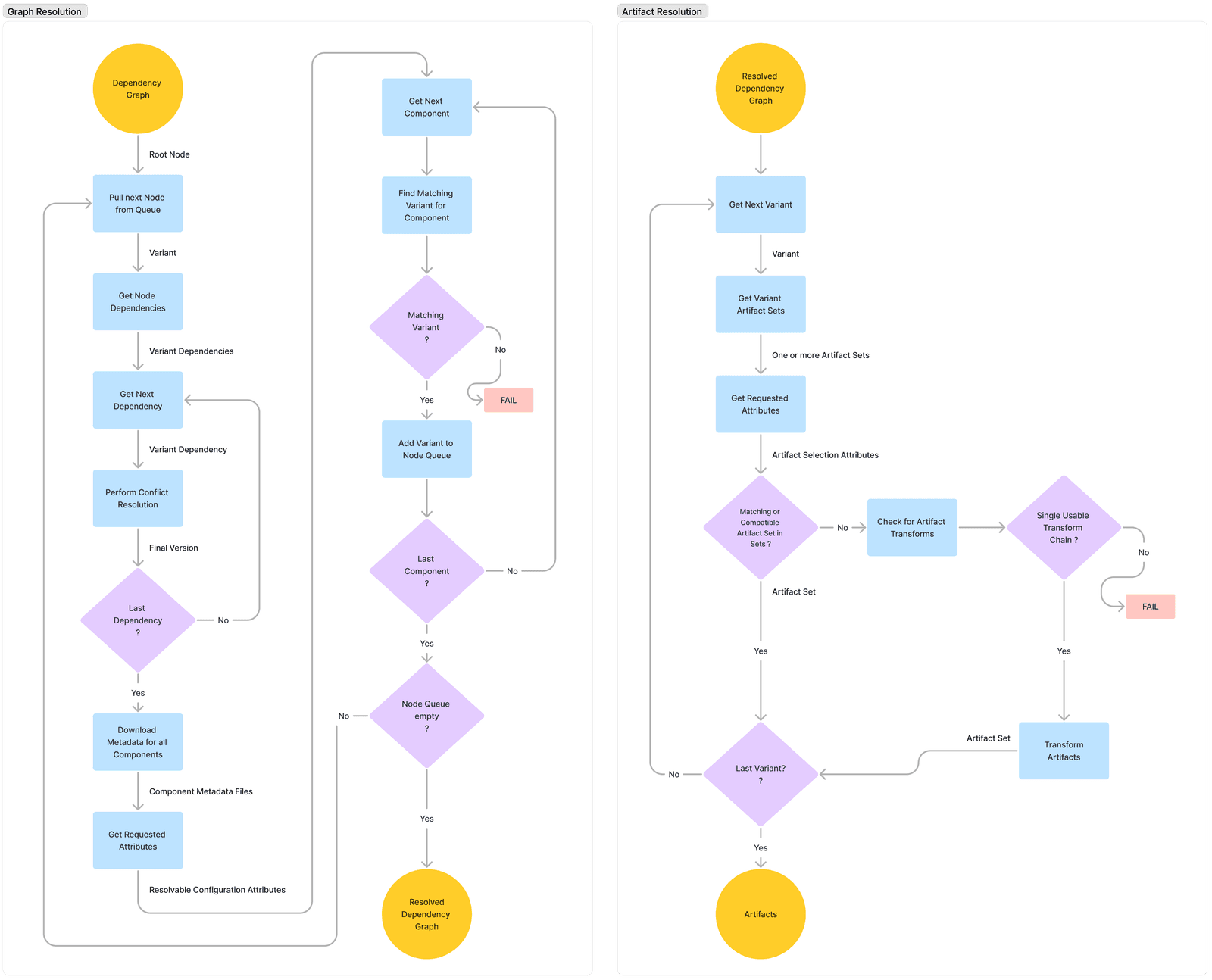
Dependency Conflict: When Your Dependencies Disagree
A dependency conflict occurs when two of your project's dependencies require different, incompatible versions of a shared library. This is common in any project with a dependency graph, forcing your build tool to pick one version, which can introduce subtle…
Artifact Promotion: Build Once, Deploy Everywhere
Artifact promotion means you build software once, then deploy that exact same package to every environment. This prevents "it worked in staging" failures caused by rebuilds pulling different dependencies. The footgun is rebuilding per environment.
Artifact Vulnerability Scanning: A Background Check for Code
Artifact vulnerability scanning is a background check for your software's dependencies, catching known security issues before they ship. It's a key CI/CD step, automatically scanning Docker images against databases of known CVEs. The footgun is alert fatigue.

Game Days: Practice Breaking Your System Before It Breaks Itself
A Game Day is a live fire drill for your systems. You intentionally inject failure—like shutting down a service—to see how your team and automation respond, finding weaknesses before a real outage does.
Zero Trust: Never Trust, Always Verify
Zero Trust assumes no user or device is safe by default, even on a 'trusted' corporate network. It's like needing a keycard for every door, not just the front gate. The biggest mistake is thinking you can buy a 'Zero Trust' product; it's a strategic.
We are hiring for this. Every open role lists the topics its interview covers, so you can prepare for the real thing rather than guessing.
See open roles