Easy concepts in DevOps & Cloud, page 4
Incident Command: Who Does What in a Crisis
The Incident Command System (ICS) is a playbook for major outages, assigning clear roles to avoid chaos. It's like an emergency response crew for your software. Use it when multiple teams must coordinate.
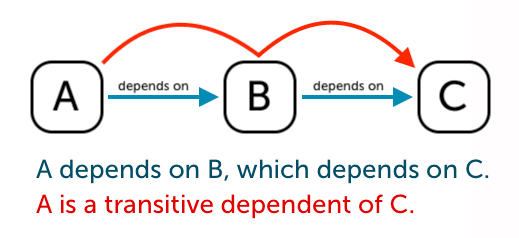
Transitive Dependencies: The Hidden Baggage in Your Code
Think of transitive dependencies as your dependency's dependencies. You add one library, but it pulls in others you didn't explicitly ask for. This happens in any project using a package manager.

On-Call Management Platforms: Who Wakes Up?
An on-call platform is a smart switchboard for production alerts, ensuring the right engineer gets paged when things break. It connects monitoring tools to on-call schedules and escalation rules.
IAM: The Gatekeeper Framework
IAM is the framework that decides who gets through the door and what they can touch inside your systems. It governs every employee transition, from onboarding to departure. The trap is treating IAM as a one-time setup rather than an ongoing lifecycle process.

RBAC: Manage Permissions with Roles, Not Users
RBAC manages permissions by assigning users to roles (e.g., "editor"), not by giving permissions directly. This simplifies security in large systems like AWS IAM. The footgun is creating overly broad roles that grant excessive, unintended access.
ReplicaSet: Kubernetes' Pod Thermostat
A ReplicaSet is Kubernetes' thermostat for pods, ensuring a specific number of replicas are always running. It replaces crashed pods or removes excess ones to maintain a stable state.
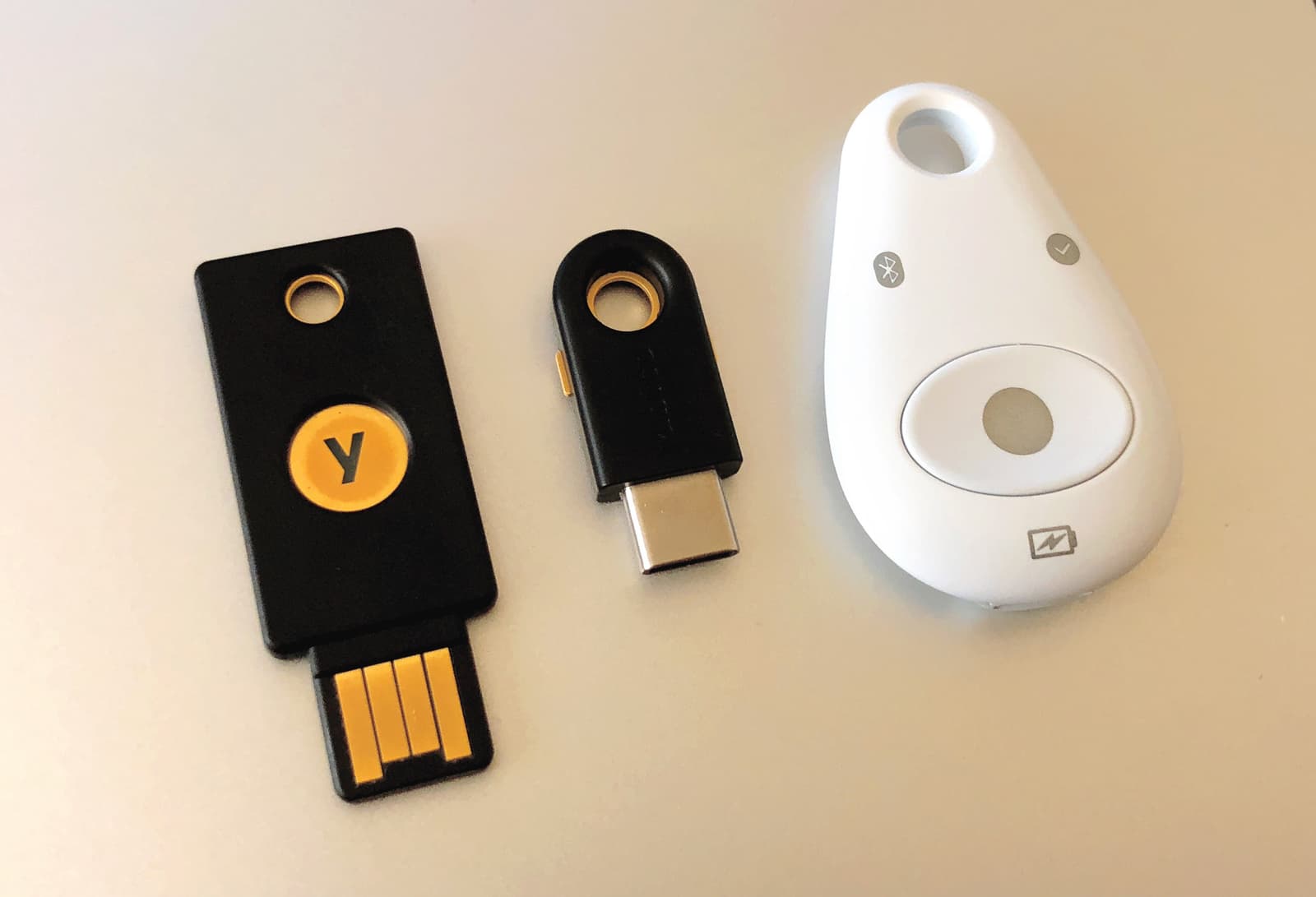
Multi-Factor Authentication (MFA): Defense in Depth for Logins
MFA adds a second layer of security on top of your password, like needing a key and a secret handshake. It's crucial for protecting sensitive accounts like email and banking from attackers who have stolen your password.
Kubernetes Requests and Limits: Your Pod's Resource Contract
Kubernetes Requests and Limits are your pod's resource contract: requests guarantee a minimum for scheduling, while limits enforce a maximum at runtime. This prevents one greedy app from crashing others.
Encryption in Transit: Protecting Data on the Move
Encryption in transit acts like a locked box for data moving across a network. It secures everything from website connections (HTTPS) to data moving between services inside a cloud network.
Kubernetes Jobs: For Tasks That Need to Finish
A Kubernetes Job runs a task to completion, unlike a Deployment which runs forever. Use it for one-off operations like database migrations or batch processing. The footgun is forgetting to set a retry limit, causing failed jobs to loop indefinitely.
Recreate Deployment: Downtime for a Clean Slate
The Recreate strategy is like flipping a switch: it shuts down all old pods before starting new ones. This guarantees downtime but is necessary for breaking changes, like a database migration. The footgun is a failed deployment leaves you with no running app.
Imperative kubectl: Directly Command Your Cluster
Imperative kubectl is like giving direct orders to your cluster: 'run this,' 'scale that.' It's great for quick, one-off tasks like debugging a pod or handling an incident.
Jenkinsfile: Your CI/CD Pipeline as Code
A Jenkinsfile is a text file that defines your entire CI/CD pipeline as code, living in your source control. It automates build, test, and deploy steps. The main footgun is confusing its two syntaxes: Declarative is simpler, while Scripted offers more power.
The Incident Management Lifecycle
Incident management is a structured loop for handling service disruptions. It's not just about fixing the problem now, but identifying, analyzing, and correcting hazards to prevent them from happening again. The biggest mistake is skipping the 'prevent' step.

Pipeline Triggers: The 'If This, Then That' of CI/CD
Pipeline triggers are the "if this, then that" for automation. They kick off builds on a code push (CI), run tests for a pull request (PR), or execute jobs on a schedule. The footgun: many systems enable triggers on all branches by default, causing unwanted.
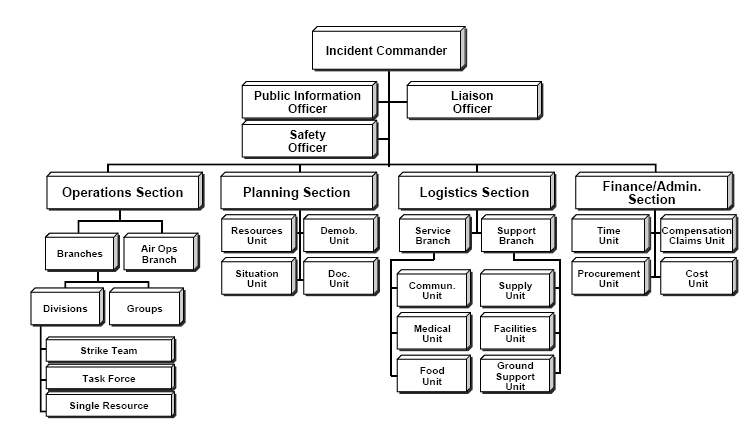
Incident Command System (ICS): Taming Outage Chaos
ICS gives a chaotic outage a clear command structure, defining roles so everyone knows who's in charge. It's used for major service outages or security breaches where multiple teams must coordinate. The footgun: not pre-assigning roles before a crisis hits.
ClusterIP Service: Internal-Only Networking
A ClusterIP service is like an unlisted phone number for your pods, providing a stable internal IP for communication *within* the cluster. Use it for backend-to-backend traffic. The footgun is assuming it's reachable from the outside—it's not.
Managed Databases: Let the Cloud Handle Ops
A managed database is like leasing a car with a full-service plan instead of fixing it yourself; you trade control for convenience. This is the model for AWS RDS or GCP Cloud SQL.
Kubernetes DNS: How Pods Find Each Other
Kubernetes DNS gives services and pods stable, human-readable names so you don't have to track ephemeral IP addresses. It's how a frontend pod finds a backend service.
Securing Cloud Database Endpoints
Treat your database endpoint like a public API, even if it's "internal." A Zero Trust approach verifies every connection request, granting access based on identity and context, not network location. This prevents unauthorized data access, a top cloud threat.
We are hiring for this. Every open role lists the topics its interview covers, so you can prepare for the real thing rather than guessing.
See open roles