Intermediate concepts in DevOps & Cloud, page 10
Cloud Rightsizing: Stop Overpaying for VMs
Rightsizing stops you from overpaying for idle cloud capacity. It involves analyzing CPU and memory usage to shrink over-provisioned VMs. Always collaborate with application owners before making changes.

Prometheus Exporters: Translating Metrics for Monitoring
A Prometheus Exporter is a translator, converting metrics from third-party systems like databases or hardware into the format Prometheus can scrape. Use one when you can't modify an app's code directly.
AWS Savings Plans: A Bulk Discount for Compute
Think of Savings Plans as a bulk discount for AWS compute. You commit to a consistent hourly spend for 1-3 years to get a lower rate on EC2, Fargate, and Lambda. The footgun is over-committing; you pay for your commitment even if you don't use.

AWS Cost and Usage Report (CUR)
Think of CUR as your AWS itemized receipt, delivered daily to S3. It breaks down charges by hour, product, resource, and tag for spreadsheets or Athena queries. Mid-month numbers are estimates, so do not lock budgets until the report finalizes after invoicing.
Shared Ownership Model: Bridging the Dev/Ops Divide
The shared ownership model ends the tug-of-war between developers wanting to ship and operations teams wanting stability. Both teams share responsibility for service quality, using SLOs as a common language.
cAdvisor: A Task Manager for Containers
cAdvisor is like a task manager for your containers, giving you a live view of their resource usage. It's used to track performance, historical usage, and network stats for every container on a host.
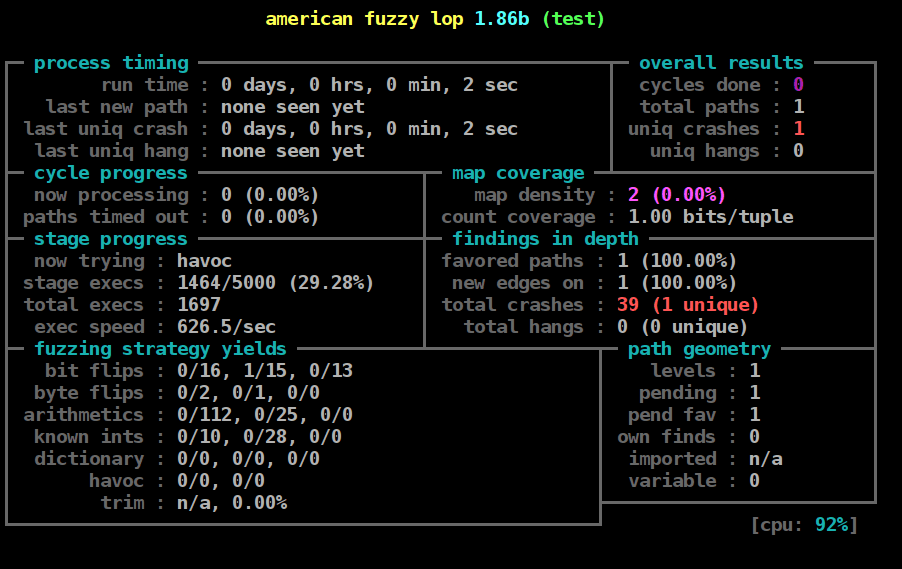
Fuzz Testing: Finding Bugs with Random, Invalid Inputs
Fuzz testing is automated chaos engineering for your inputs. It feeds your program semi-random, invalid data to uncover crashes and security flaws, especially in code that parses files or network protocols.
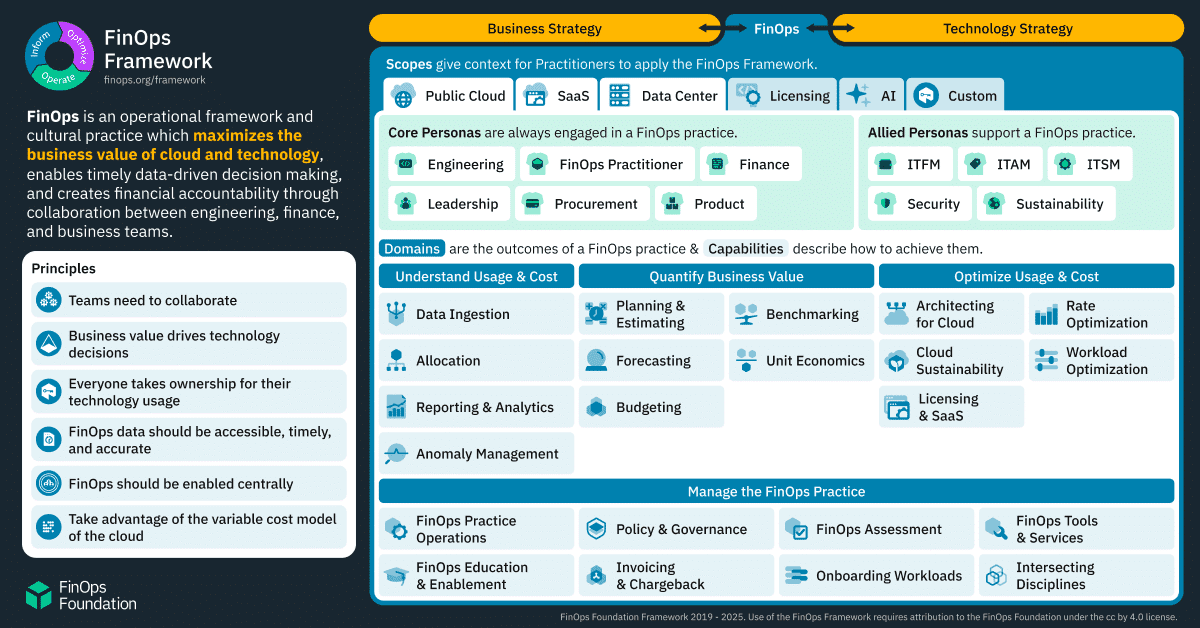
FinOps Framework: Aligning Cloud Cost with Business Value
FinOps treats cloud spend as a business metric, not just an IT cost. It provides a shared framework for engineering, finance, and business to collaborate on data-driven spending decisions.

The Vulnerability Management Lifecycle: A Continuous Loop
Think of vulnerability management not as a one-off task, but a continuous cycle of finding, prioritizing, fixing, and verifying security weaknesses. This process is crucial for securing any system by systematically reducing its attack surface.

Showback vs. Chargeback: Who Pays the Cloud Bill?
Showback shows teams their cloud costs for visibility; Chargeback makes them pay for it by moving costs to their budget. This helps control cloud spend by making engineers cost-aware. The footgun is treating Chargeback as inherently more mature than Showback.
Start/Stop Automation: Pay Only For What You Use
Start/stop automation is like putting your cloud resources on a timer to save money. It's essential for non-production environments like dev and staging used only during business hours.
Capacity Planning: Don't Run Out of Room
Capacity planning matches your system's resources to user demand, crucial for handling traffic spikes or budgeting cloud spend. The main footgun is planning for theoretical 'design capacity' instead of realistic 'effective capacity' which accounts for…
Service Maps: A Live Blueprint of Your Architecture
A service map is a live blueprint of your distributed system, generated from telemetry data. It visualizes service dependencies and health, letting you instantly see an incident's blast radius instead of hunting through Slack for tribal knowledge.

Time-Series Compression: Storing More with Less
Time-series compression stores data more efficiently by saving the *difference* between consecutive points, not the full values. It's key for managing terabyte-scale monitoring and IoT data, often saving over 90% on storage.
Distributed Tracing: Following a Request Across Microservices
Distributed tracing is like a passport for a request, stamped at every service it visits. It's essential for debugging microservices where one click can trigger many calls. The footgun is trying to debug without it, piecing together isolated logs.

Escalation Policy: When to Stop Shipping and Start Fixing
An escalation policy is a pre-agreed plan for when to divert engineers from feature work to fix reliability. When a service's error budget burns too fast, the policy's thresholds trigger specific actions. The footgun is thinking a quick rollback is enough.
Service Level Objective (SLO): A Measurable Promise
An SLO is a precise, measurable promise about your service's performance, like "99.9% of requests will succeed." It's the internal engineering target that backs up a customer-facing SLA. The footgun is setting a 100% SLO, which leaves no room for failure.
Post-Incident Review: Learning from Failure, Blamelessly
A Post-Incident Review (PIR) is a blameless process to learn from an outage, not to assign blame. Use it after a production incident to identify systemic flaws and create action items to prevent repeats.
Helm Templates: Turning Static YAML into Dynamic Manifests
Think of Helm templating as a mail merge for Kubernetes. It combines static YAML templates with dynamic values to generate manifests for different environments. Use it to manage configurations for dev, staging, and prod.
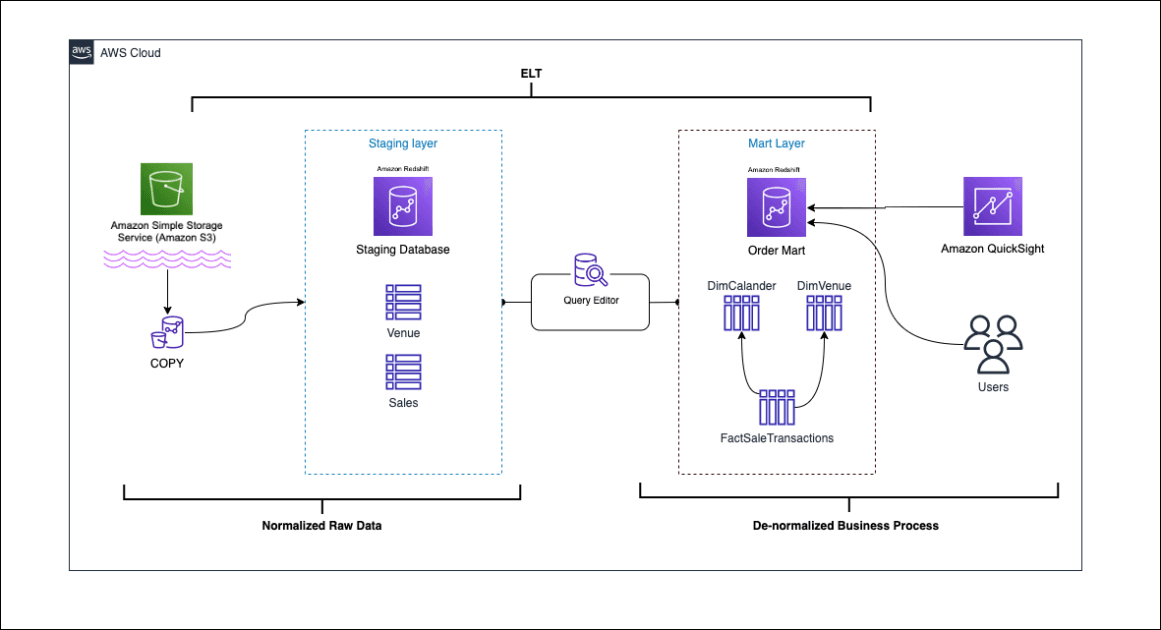
Dimensional Modeling: Facts vs. Dimensions
Dimensional modeling organizes data like a story: 'facts' are what happened (sales numbers) and 'dimensions' are the who, what, and where (customer, product). It's the foundation for data warehouses, turning raw data into analyzable BI reports.
We are hiring for this. Every open role lists the topics its interview covers, so you can prepare for the real thing rather than guessing.
See open roles