Concepts in DevOps & Cloud, page 12
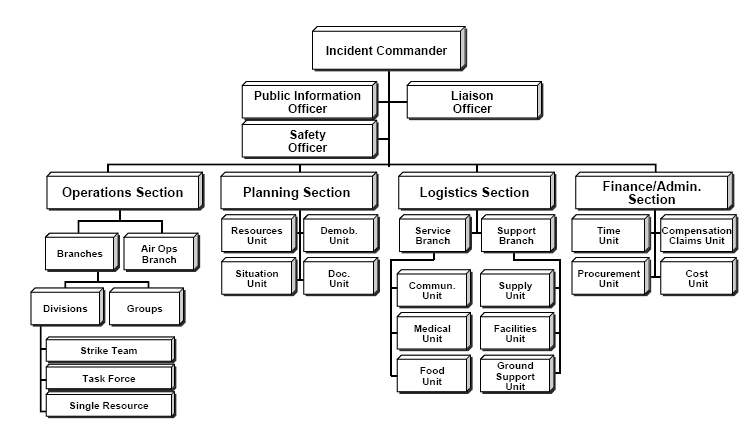
Incident Command System (ICS): Taming Outage Chaos
ICS gives a chaotic outage a clear command structure, defining roles so everyone knows who's in charge. It's used for major service outages or security breaches where multiple teams must coordinate. The footgun: not pre-assigning roles before a crisis hits.

DDoS Mitigation: Surviving Traffic Floods
DDoS mitigation acts like a smart bouncer, learning your app's normal traffic to block malicious floods. It's used for any public internet endpoint, filtering attacks at the network and transport layers (L3/L4).
CI/CD Pipelines: How Stages and Jobs Orchestrate Work
Think of a CI/CD pipeline as an assembly line. Stages are sequential stations (Build, Test, Deploy), while jobs are the parallel tasks at each station. This model automates software delivery. The footgun: a single failed job halts the entire line by default.
Kubernetes CronJob: Scheduled Tasks in Your Cluster
A Kubernetes CronJob is like a recurring alarm for your cluster. It automatically runs tasks like backups or reports on a schedule, creating a new Job for each run. The main footgun is concurrency: by default, jobs can overlap if one runs too long.
Zero Trust: Never Trust, Always Verify
Zero Trust assumes no user or device is safe by default, even on a 'trusted' corporate network. It's like needing a keycard for every door, not just the front gate. The biggest mistake is thinking you can buy a 'Zero Trust' product; it's a strategic.
Conditional Pipeline Execution: Run Jobs Only When Needed
Think of conditional execution as if statements for your CI/CD pipeline, letting you run or skip jobs based on specific triggers. Use it to run tests on merge requests or deploy only from main.
Pod QoS Classes: Guaranteed, Burstable, BestEffort
Kubernetes QoS classes are eviction priorities, not performance guarantees. Under node pressure, the kubelet kills BestEffort pods first, then Burstable, then Guaranteed. Omitting limits does not grant infinite headroom; it makes your pod die first.
Public Status Page: Your System's Voice During an Outage
A public status page is a dedicated site for communicating your service's health, turning "is it down?" support tickets into a single source of truth. It's used to report outages, degradation, and scheduled maintenance for public-facing services.
CSPM: A Single Pane of Glass for Cloud Security
A CSPM is a single pane of glass for your cloud security, continuously scanning all assets for misconfigurations. It unifies security data across multi-cloud environments, replacing disparate tools.
Secrets Management in CI/CD Pipelines
Treat secrets like temporary keys, not permanent passwords. Your CI/CD pipeline should fetch them just-in-time from a central vault, never storing them in code. The biggest footgun is storing secrets as long-lived environment variables in the CI tool itself.
5 Whys: Find the Root Cause, Not Just the Symptom
The 5 Whys technique digs past symptoms to find a problem's true root cause. It's used in postmortems to understand system failures by repeatedly asking "Why?". The footgun is stopping too early or blaming people instead of broken processes.
Pod Disruption Budgets: Stop Upgrades From Killing Your App
A Pod Disruption Budget (PDB) is a contract with Kubernetes to maintain minimum availability. It limits how many pods can be voluntarily terminated at once during node drains or cluster upgrades, preventing self-inflicted outages.
Data Sovereignty: Your Data's Legal 'Citizenship'
Data sovereignty means data is subject to the laws of the country it's in; data residency is storing it there to comply. This is critical for apps in regions with strict laws like the EU's GDPR. The footgun is confusing residency with full legal compliance.
Jenkins Shared Libraries: Don't Repeat Your Pipeline Code
Jenkins Shared Libraries let you centralize and reuse Pipeline code, just like a common function library. Use them to define standard build or deployment stages across many projects.
Pod Affinity: Grouping or Separating Your Pods
Pod affinity tells Kubernetes to place pods together for performance or apart for high availability. Use it to co-locate a web server and cache for low latency, or spread database replicas across nodes to prevent a single point of failure.
Cloud Compliance Frameworks: Security as a Standard
Think of a cloud compliance framework as a standardized rulebook for security. It translates broad security goals into specific, auditable controls, providing a checklist to prove your cloud environment is secure to regulators and customers.
GitHub Composite Actions: Script Your CI Steps
A composite action is a reusable script for your CI workflow, bundling multiple steps into one. It's perfect for DRYing up common sequences like setup and testing, but remember you cannot nest composite actions within each other.
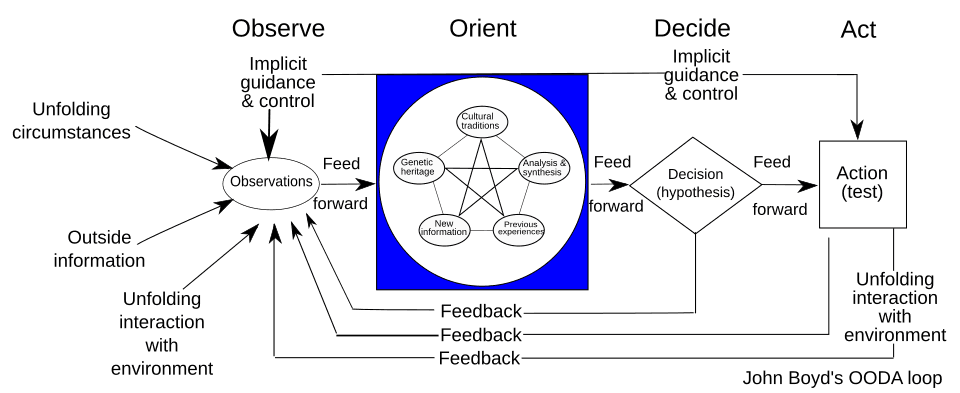
OODA Loop: Winning the Incident Response Race
The OODA loop (Observe, Orient, Decide, Act) is a model for making fast decisions under pressure. During an incident, the team that cycles fastest wins. It's used for triaging alerts and debugging live outages.
ClusterIP Service: Internal-Only Networking
A ClusterIP service is like an unlisted phone number for your pods, providing a stable internal IP for communication *within* the cluster. Use it for backend-to-backend traffic. The footgun is assuming it's reachable from the outside—it's not.
Managed Databases: Let the Cloud Handle Ops
A managed database is like leasing a car with a full-service plan instead of fixing it yourself; you trade control for convenience. This is the model for AWS RDS or GCP Cloud SQL.
We are hiring for this. Every open role lists the topics its interview covers, so you can prepare for the real thing rather than guessing.
See open roles