Advanced everything in DevOps & Cloud, page 13
Horizontal Pod Autoscaler (HPA): Scale on Demand
A Horizontal Pod Autoscaler (HPA) is a thermostat for your app's capacity, adding or removing pods based on load. It's used to handle traffic spikes by watching metrics like CPU, but a common footgun is setting aggressive thresholds that cause flapping.
Managed Kubernetes: Your Cloud's K8s Control Plane
A managed Kubernetes service (EKS, AKS, GKE) runs the complex K8s control plane for you, letting you focus on deploying apps, not managing infrastructure. Use it to run containers without the overhead of maintaining masters.
Cloud Native Buildpacks: No More Dockerfiles
Cloud Native Buildpacks turn source code into container images without a Dockerfile. This lets platform teams enforce security and best practices, while app developers just push code. The footgun is assuming they're simple; they're a full build system.
.ebextensions: Infrastructure as Code for Elastic Beanstalk
.ebextensions are config files for customizing the AWS resources in your Elastic Beanstalk environment. Use them to install packages, run commands on instances, or provision related AWS resources.
Immutable Deployments: Treat Servers Like Cattle, Not Pets
Treat servers like cattle, not pets. Instead of modifying live servers, you deploy updates by replacing entire server fleets with new, pre-baked images. This eliminates configuration drift and simplifies rollbacks.
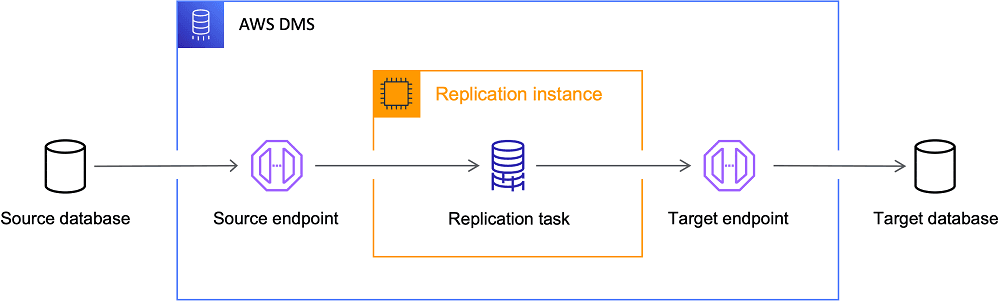
AWS DMS: Automating Database Migrations
AWS DMS automates moving data between databases, not just as a simple data pump. Use it for one-time migrations to the cloud or for continuous replication. The footgun is assuming DMS also converts your schema; for different engines, you must use the Schema…
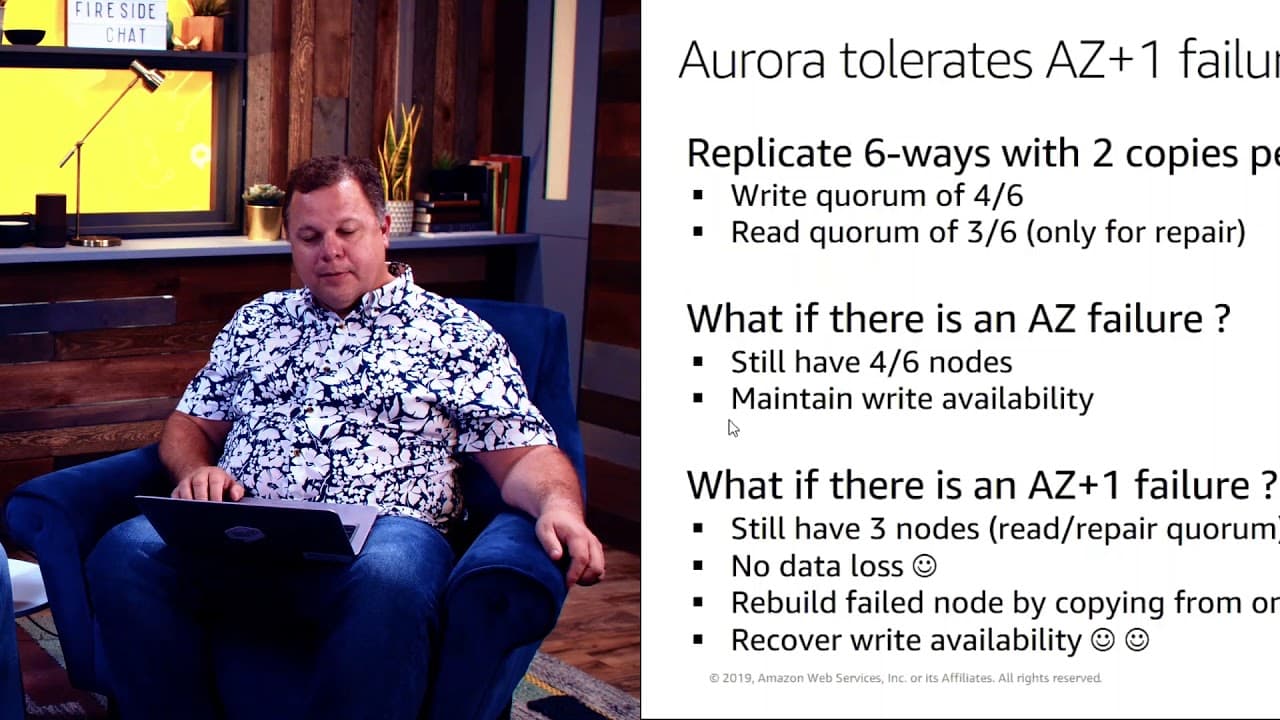
Global Database: One Logical DB, Multiple Regions
A global database is a single logical database that spans multiple geographic regions, providing fast local reads and disaster recovery. It's used for apps with a worldwide user base that must survive regional outages.
Managed Time Series Databases (TSDB)
A managed time series database is a hosted service optimized for data with a timestamp. It's used for application monitoring, IoT sensor data, and financial analytics. The main footgun is using a general-purpose database, which fails at high-volume writes.
Managed Graph Databases: When Relationships Are the Data
A managed graph database models data as nodes and edges, making relationship-heavy queries fast. Use it for social networks, fraud detection, or recommendations.
Cloud Data Warehouse: Analytics Without the Hardware
A cloud data warehouse is your company's analytical brain, but without the hardware headache. It separates storage and compute, letting you query massive historical datasets from sales, marketing, and ops.
Serverless Databases: Pay for Use, Not for Idle
A serverless database automatically scales compute and storage based on demand, from zero to massive, without you managing any servers. Use it for spiky, unpredictable workloads to avoid paying for idle capacity.
Cloud Compliance Frameworks: Security as a Standard
Think of a cloud compliance framework as a standardized rulebook for security. It translates broad security goals into specific, auditable controls, providing a checklist to prove your cloud environment is secure to regulators and customers.
Data Sovereignty: Your Data's Legal 'Citizenship'
Data sovereignty means data is subject to the laws of the country it's in; data residency is storing it there to comply. This is critical for apps in regions with strict laws like the EU's GDPR. The footgun is confusing residency with full legal compliance.
CSPM: A Single Pane of Glass for Cloud Security
A CSPM is a single pane of glass for your cloud security, continuously scanning all assets for misconfigurations. It unifies security data across multi-cloud environments, replacing disparate tools.
Zero Trust: Never Trust, Always Verify
Zero Trust assumes no user or device is safe by default, even on a 'trusted' corporate network. It's like needing a keycard for every door, not just the front gate. The biggest mistake is thinking you can buy a 'Zero Trust' product; it's a strategic.
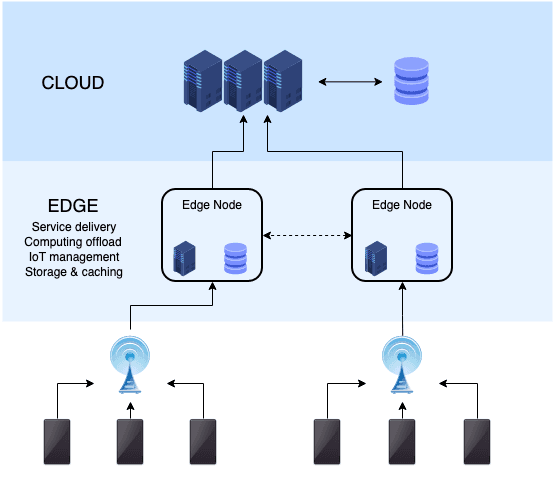
CDN Edge Computing: Code at the Cache
CDN Edge Computing runs your code at the network edge, not just caches files. It's for low-latency tasks like A/B testing or auth checks. The footgun is treating it like a full backend; it's stateless and resource-constrained.
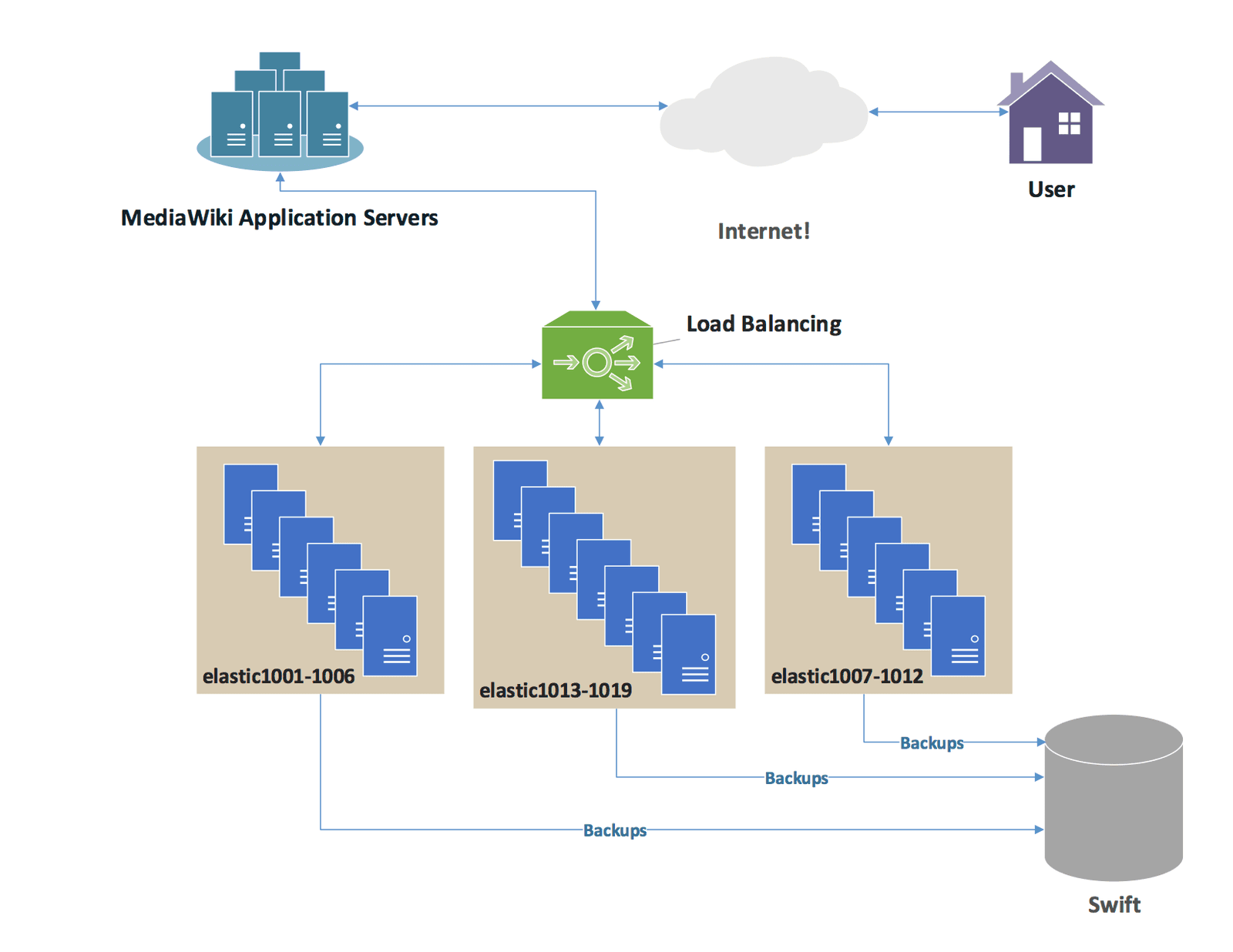
Global Server Load Balancing (GSLB): DNS for High Availability
Global Server Load Balancing (GSLB) uses DNS to route users to the best data center, not just the best server. It considers geography, health, and load to provide disaster recovery and lower latency.
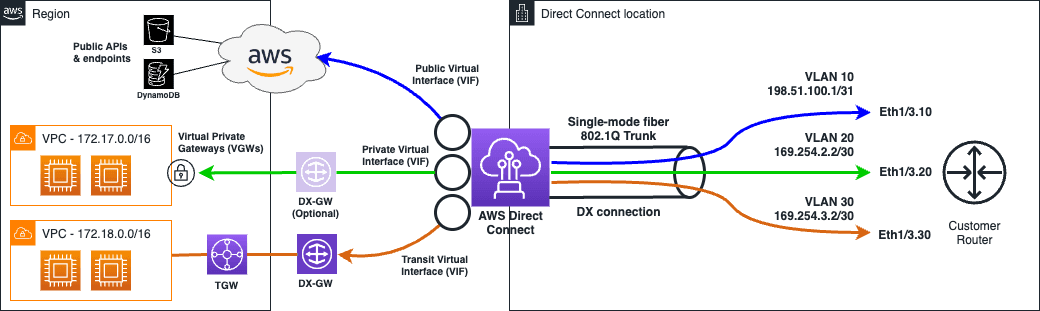
Cloud Direct Connect: A Private Lane to the Cloud
Think of Direct Connect as a private fiber-optic highway from your datacenter to the cloud, bypassing the public internet. It's for stable, high-bandwidth needs like large data transfers where public internet performance is too unpredictable or insecure.
DNS Routing Policies: Directing Traffic with Intention
DNS routing policies are a control plane for your domain, directing users based on location, latency, or server health. Use them for disaster recovery (failover) or canary releases (weighted). The footgun: confusing geolocation with latency-based routing.
Eventual Consistency: Availability Over Immediacy
Eventual consistency trades immediate correctness for high availability. It's used in distributed systems where being online is critical. The footgun is assuming "eventual" implies a specific timeframe; it only guarantees convergence if updates cease.
We are hiring for this. Every open role lists the topics its interview covers, so you can prepare for the real thing rather than guessing.
See open roles