Advanced concepts in Frontend Dev, page 5
Router History vs. Hash Mode: URL Style and Server Setup
Router history mode determines your SPA's URL style. History mode uses clean URLs (/users) but needs server setup, while hash mode uses a hash symbol (/#/users) and works out-of-the-box.
Vue Router: Controlling Scroll Behavior
In a SPA, the browser doesn't manage scroll position; scrollBehavior is your manual override. Use it to scroll to top on new pages or restore position on back/forward. The footgun is forgetting savedPosition, breaking native back-button behavior.
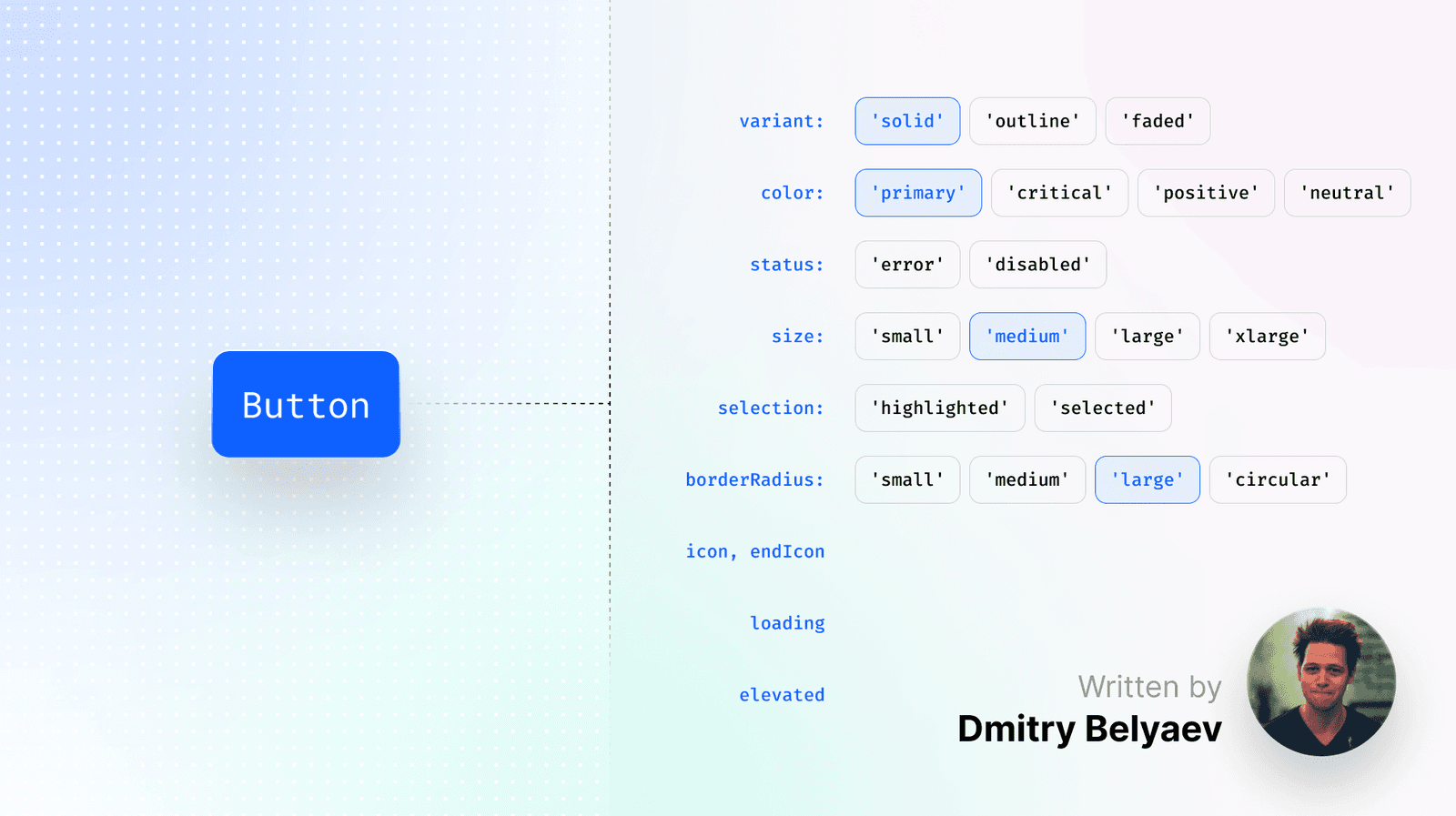
Designing Durable Component APIs
The best component API is often no API. Design from the user's perspective by first writing the ideal usage snippet, a "dream-driven" approach. This ensures intuitive components that boost design system adoption.
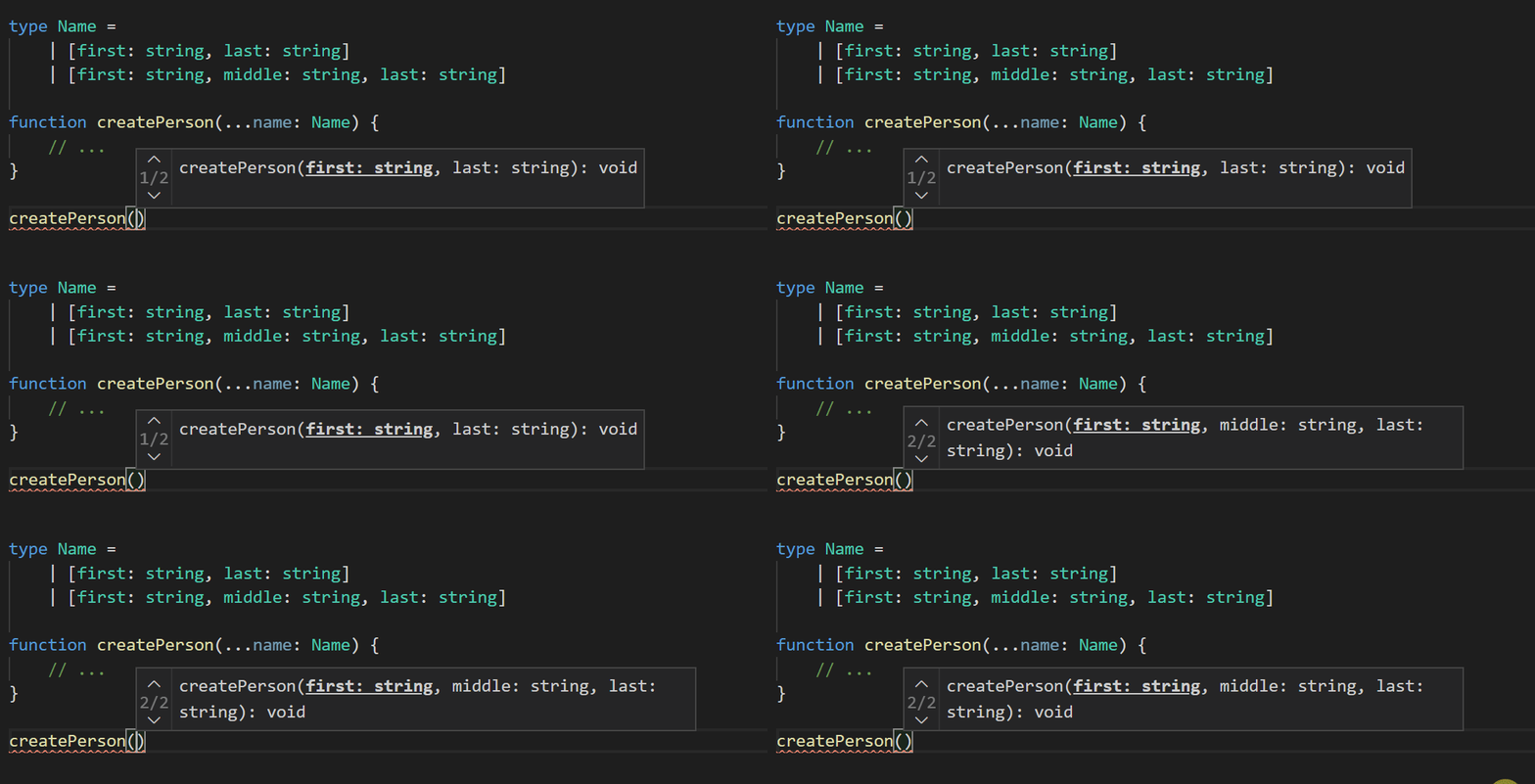
Variadic Tuple Types: Type-Safe Spreads for Tuples
Variadic tuple types let you use spread syntax (...) inside tuple type definitions, just like you do with array values. This is crucial for typing functions that manipulate tuples, like concat, without writing endless overloads or losing type information.
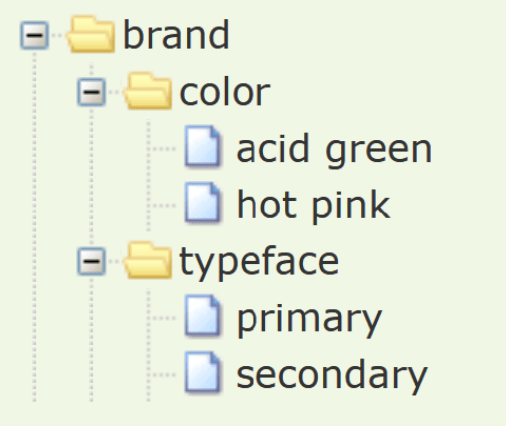
W3C Design Tokens: A JSON Standard for Design Systems
The W3C Design Tokens format is a universal translator for your design system's variables. It's a standard JSON structure that lets design tools and codebases speak the same language for colors and spacing.
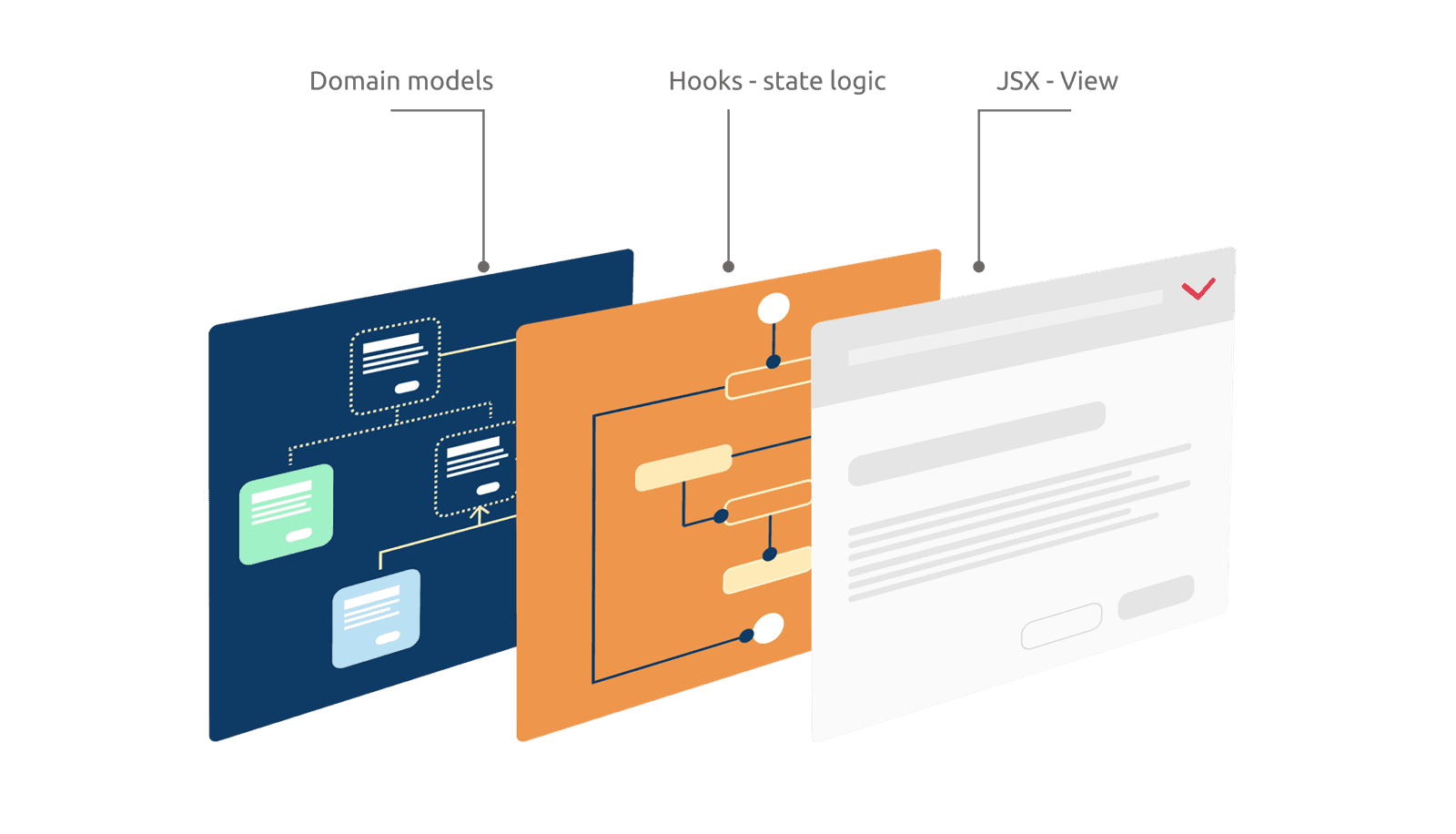
Headless Components: Separate Logic from UI
A Headless Component separates a component's logic from its UI, providing the 'brain' without the 'looks'. Use it for complex elements like dropdowns that need consistent behavior but different visual styles. The footgun is assuming it's a drop-in UI.
Next.js Caching: When and How to Revalidate Data
Next.js aggressively caches data by default. Revalidation is how you tell it the data is stale, either after a set time or on-demand after a mutation. The footgun is forgetting fetch is cached; use revalidatePath or revalidateTag to bust the cache.
Vue Render Functions: Trading Templates for JS Power
Render functions trade Vue's declarative templates for the full programmatic power of JavaScript. Use them for highly dynamic components where logic is too complex for templates. The footgun is losing template optimizations and readability for imperative code.
Next.js Parallel Routes: Multiple Pages in One View
Parallel Routes render multiple independent pages within a single layout, like a split-screen dashboard. This is ideal for complex UIs where different sections need to load and be managed separately.
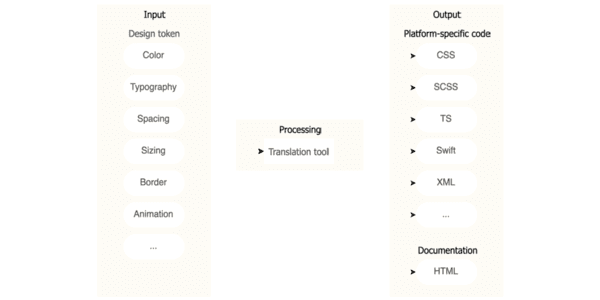
Design Tokens: Automating UI with a Build Pipeline
Think of design tokens as design decisions stored as data. A build pipeline consumes this data to auto-generate code for multiple platforms, ensuring consistency. The footgun is exposing all raw 'option' tokens instead of curated 'decision' tokens.
Vue Plugins: Add App-Wide Functionality
A Vue plugin packages reusable logic to add features across your entire app, like a global toolbox. Use them for routing, state management, or making custom functions globally available.
Next.js Intercepting Routes: Modals on Rails
Intercepting routes let you show one route's content inside another's layout, like a photo modal over a gallery feed. It's ideal for shareable modal URLs. The footgun: a page refresh or direct navigation bypasses the interception, rendering the full page.
Svelte Preprocessors: Write in Any Language
A Svelte preprocessor is a translator, converting code like TypeScript or SCSS into plain JS and CSS before compilation. This lets you use advanced tooling in .svelte files. The footgun is forgetting to configure it, leading to syntax errors.

IndexedDB Indexes: Fast Queries in the Browser
An IndexedDB index is like a book's index, letting you quickly find records by a specific property without scanning the entire dataset. It's essential for fast queries on non-primary keys, like looking up a user by email.

Angular's ChangeDetectorRef: Manually Triggering Updates
Angular's ChangeDetectorRef is your manual override for change detection. Use it when updates from outside Angular's zone (like third-party libraries) don't refresh the UI. The footgun is overuse, which can mask performance issues or cause lifecycle errors.
IndexedDB Cursors: Iterate Large Datasets Efficiently
An IndexedDB cursor is a pointer for walking through records one by one, avoiding loading a whole dataset into memory. Use it to efficiently process large browser databases.
Next.js Route Segment Config
Think of Next.js Route Segment Config as per-route dials for runtime, caching, and timeouts. Use it to run a specific API route on the Edge for speed or increase the timeout for a data-heavy page. The footgun: settings don't cascade to child routes.
Svelte's Legacy immutable={true} Optimization
The immutable={true} option was a contract with the Svelte 3/4 compiler: you promise to never mutate data, and it uses fast referential checks for updates. It was a performance boost for immutable patterns.
IndexedDB Versioning: The 'upgradeneeded' Gatekeeper
IndexedDB uses a version number to manage schema changes. Incrementing the version in indexedDB.open() triggers a special upgradeneeded event, which is the only context where you can create or modify object stores and indexes.
Partial Prerendering (PPR): Static Speed for Dynamic Pages
Partial Prerendering serves a static page shell instantly, then streams in dynamic parts. It's like getting a pre-built house frame immediately, with custom rooms delivered and slotted in as they're finished.
We are hiring for this. Every open role lists the topics its interview covers, so you can prepare for the real thing rather than guessing.
See open roles