Easy concepts in Growth & Experimentation, page 2
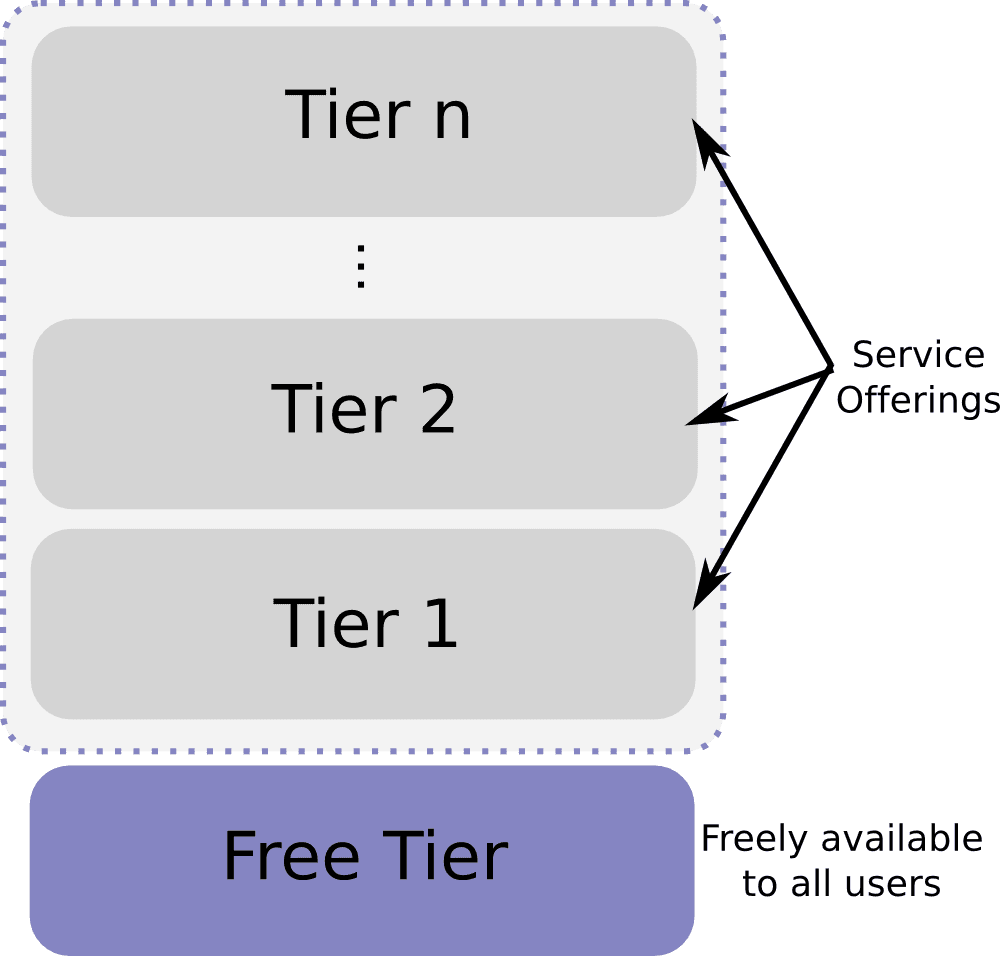
Freemium: Give Away the Basics, Sell the Upgrades
Freemium gives away a useful core product for free to attract a large audience, then sells premium features to a small subset of users. It's common in apps and games. The footgun is miscalibrating the free tier: make it too good and no one pays.
Subscription Business Model: Renting Access, Not Selling Products
A subscription model rents access to a product instead of selling it, creating predictable, recurring revenue. It's common for digital goods like streaming services or SaaS.
Average Revenue Per User (ARPU)
ARPU is the average revenue each user generates, a pulse check for a subscription business's health. It's used by media and SaaS companies to track if users are becoming more valuable, but it can be skewed by a few high-paying "whales."
The Self-Serve Funnel: Let Your Product Do the Selling
A self-serve funnel lets users discover, try, and buy your product without talking to a human, making the product the main sales driver. It powers rapid growth for companies like Slack. The main footgun is poor onboarding; if users get stuck, they churn.
Freemium Model: Free Forever, Pay for More
The Freemium model offers a basic product for free, charging only for premium features, services, or goods. This pricing strategy is common in software and video games (as "free-to-play").
Growth Accounting: What's Really Driving Your Growth?
Growth accounting splits your growth into two parts: adding more resources (like ad spend) and getting better with what you have. Use it to see if growth came from a bigger budget or a better product.
Linear Regression: Forecasting with a Straight Line
Linear regression forecasts the future by drawing a straight line through past data. It's used to predict outcomes like sales based on ad spend or energy use based on temperature.

ETL vs. ELT: When to Transform Your Data
ETL (Extract, Transform, Load) preps data before storage, like a chef prepping ingredients. ELT loads raw data first, transforming it inside the warehouse. Use ETL for structured reporting; use ELT for flexibility with raw data.
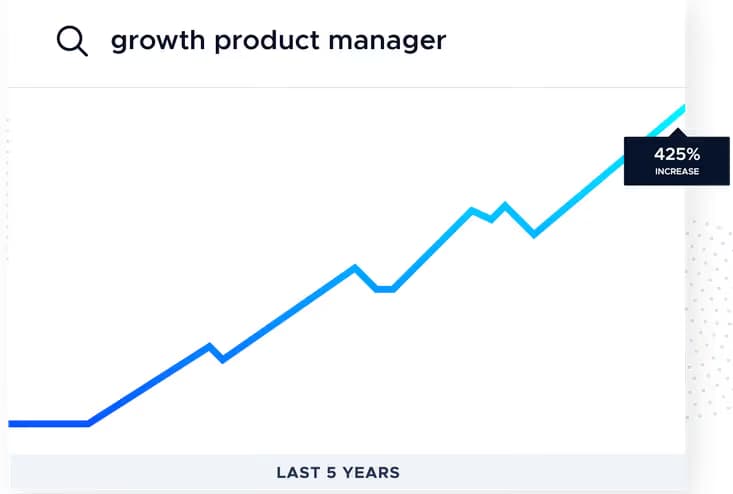
Growth Product Manager: Driving Metrics, Not Just Features
A Growth PM is a business optimizer for an existing product. They focus on moving a single metric like user activation or retention, often through rapid experimentation. This role is key in product-led companies where the product must sell itself.
Growth Meeting Cadence: Focus on Learnings, Not Updates
Run your weekly growth meeting like a learning synthesizer, not a status report. Focus on extracting insights from experiments to drive future impact. The biggest mistake is wasting time on "what" you're doing; handle status updates asynchronously.
We are hiring for this. Every open role lists the topics its interview covers, so you can prepare for the real thing rather than guessing.
See open roles