Intermediate concepts in Growth & Experimentation, page 2
Cost Per Mille (CPM): The Price of 1,000 Ad Impressions
CPM is the price for 1,000 ad impressions, a common metric for brand awareness campaigns. It's like buying billboard space online. The footgun is confusing low cost with high value; CPM measures exposure, not engagement or conversion.
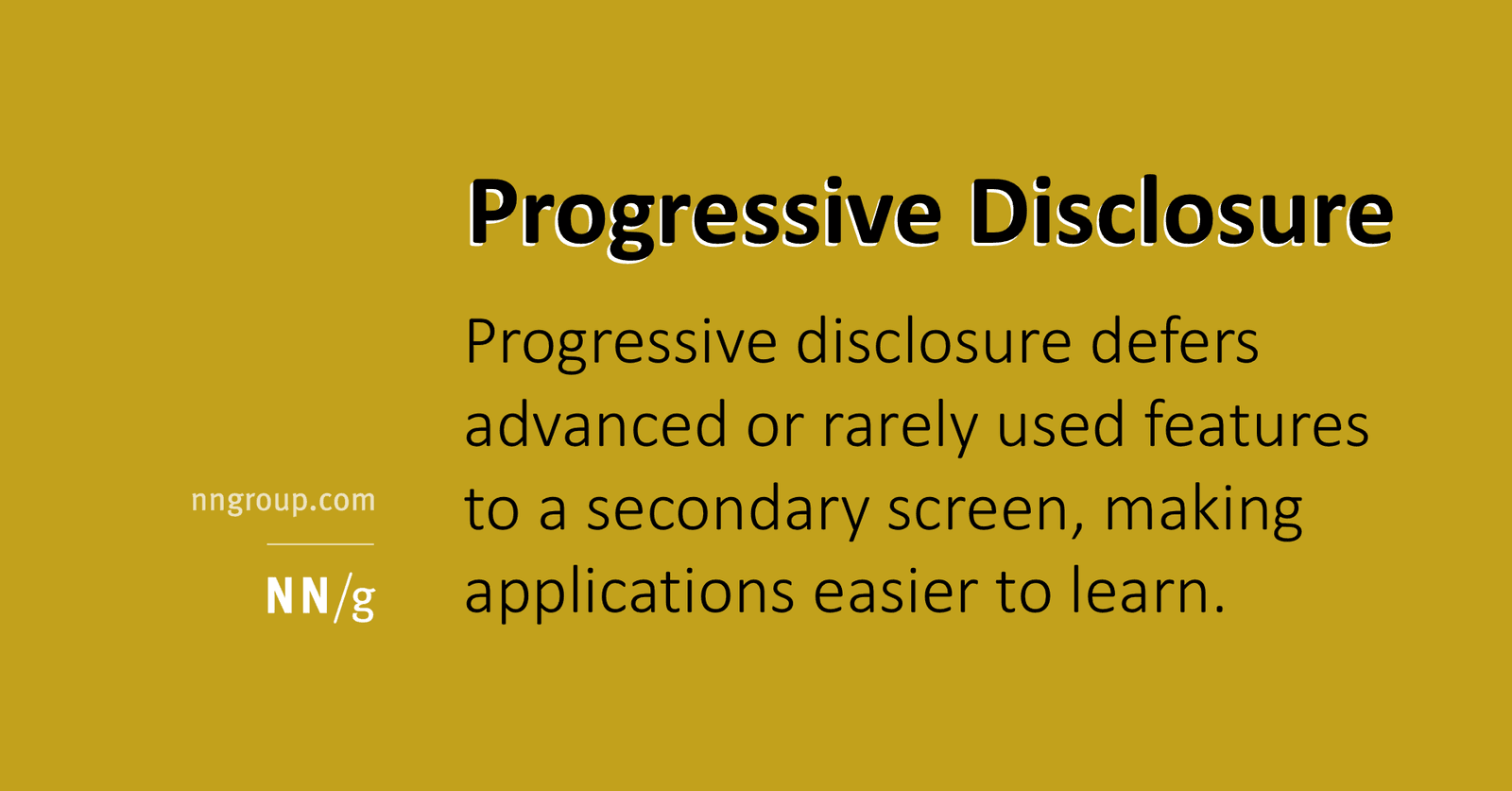
Progressive Disclosure: Show Less, Reveal More
Progressive disclosure manages complexity by showing only essential features upfront, like a "Read More" button for your UI. It's used in print dialogs and e-commerce specs to avoid overwhelming users.
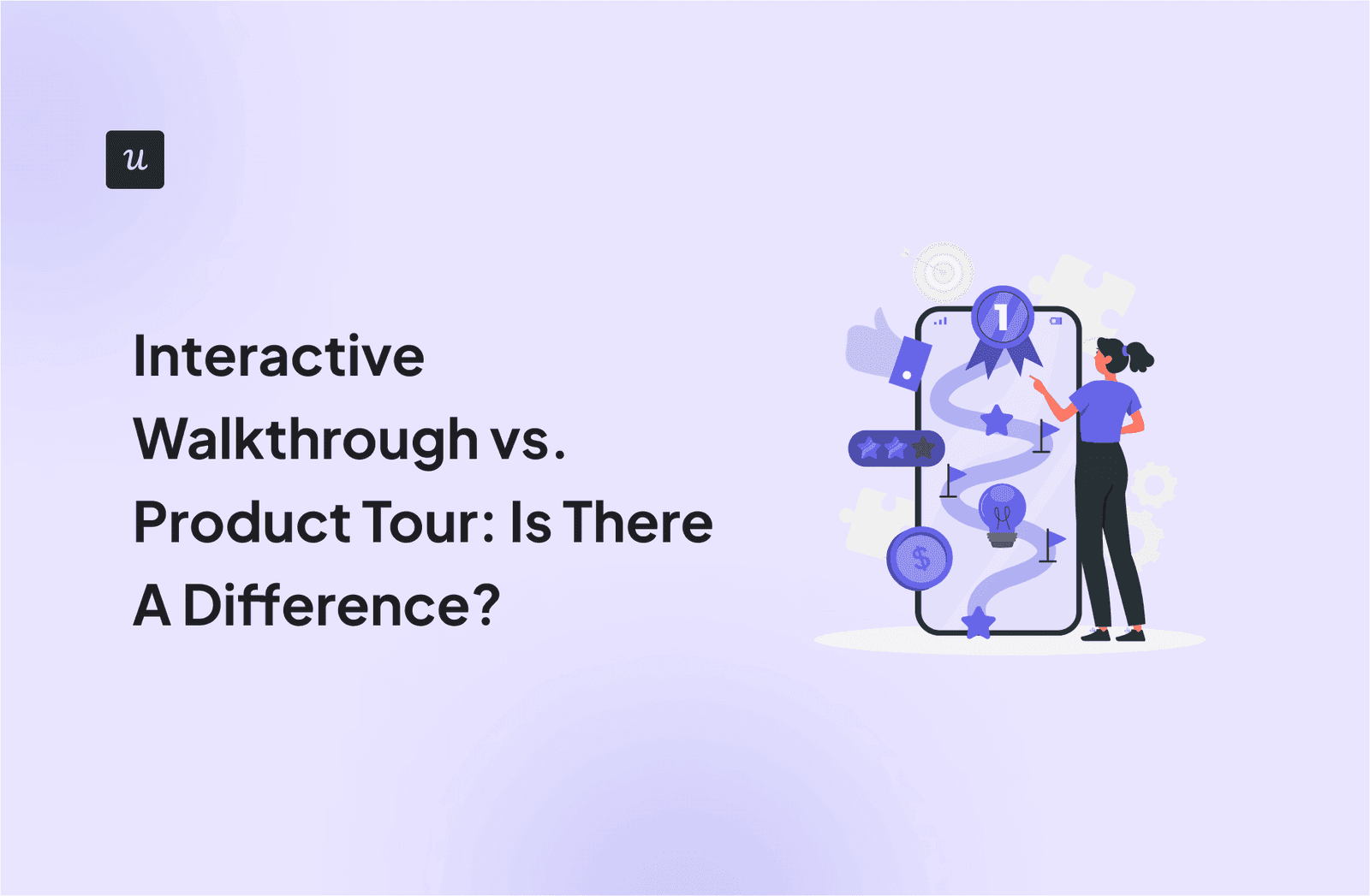
Interactive Walkthroughs: Learn by Doing, Not Just Seeing
An interactive walkthrough teaches by doing. Instead of clicking 'Next,' users must perform the actual task to advance. It's best for critical onboarding flows where learning a workflow is key to activation.
In-App Messaging: A Guide Inside Your Product
Think of in-app messages as a helpful guide inside your app, not an interruption. They appear based on user actions to provide timely context, unlike push notifications. Use them for onboarding or feature announcements.
Email Drip Campaigns: Automated User Nurturing
An email drip campaign is an automated conversation guiding a user from one state to another. It's used for onboarding new users or re-engaging inactive ones. The footgun is creating a rigid monologue that ignores user behavior instead of reacting to it.

Streaks: Engineering Identity Through Loss Aversion
Streaks convert effort into identity, making users fear losing progress more than they enjoy extending it. Apps like Duolingo use this for daily engagement, but the footgun is when the streak itself becomes the goal, trapping users in a loop of loss aversion.
Notification Preference Center: Granular Control to Reduce Churn
A notification preference center gives users granular control, not just a global unsubscribe. It lets them choose what (updates vs. reminders), where (email vs. push), and how often (real-time vs.

Tiered Pricing: One Product, Many Prices
Tiered pricing sells one product at multiple prices by packaging features for different customer needs. It's common in SaaS (Basic, Pro, Enterprise plans) and telecoms.

Usage-Based Pricing: Pay for Value, Not Seats
Usage-based pricing links cost directly to consumption, letting customers pay for what they use instead of a flat fee per user. It's common for cloud services (AWS) and APIs where value isn't tied to seats.

Reverse Trial Model: Freemium Reach, Free Trial Urgency
A reverse trial gives new users a time-limited taste of paid features before downgrading them to a free plan. It aims for the best of both worlds: freemium's user acquisition with a free trial's conversion urgency.

Product Bumps: Testing Prices with Temporary Increases
A product bump is a temporary price increase for an in-app purchase to test user price sensitivity. It helps you find the optimal price without permanently changing it for everyone. The footgun is misinterpreting statistical noise from small test groups.
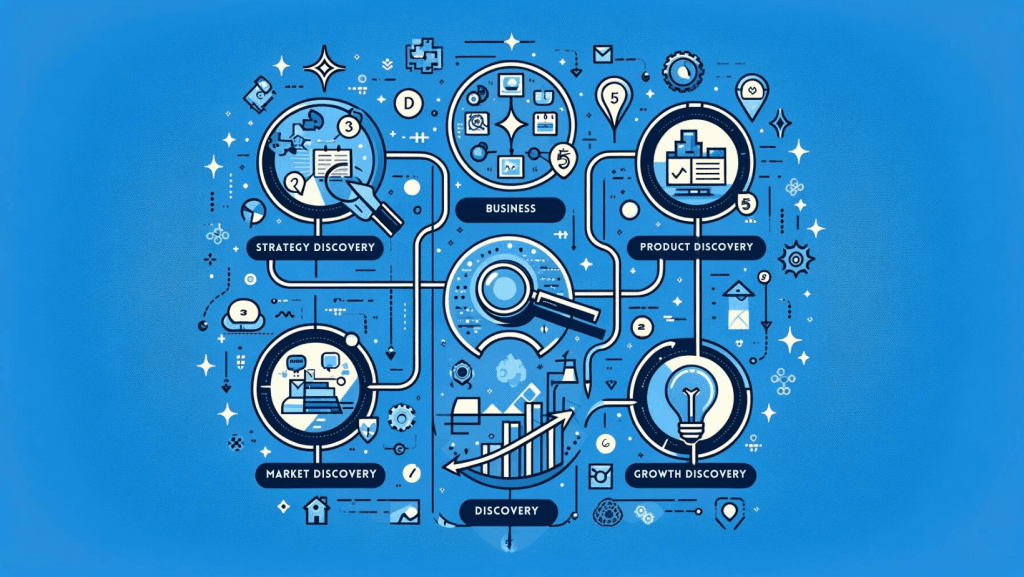
In-Product Discovery: Finding Growth Inside Your App
In-product discovery is finding your next growth lever by observing users within your live product, not just in pre-launch research. It's used to scale existing products via in-app experiments.
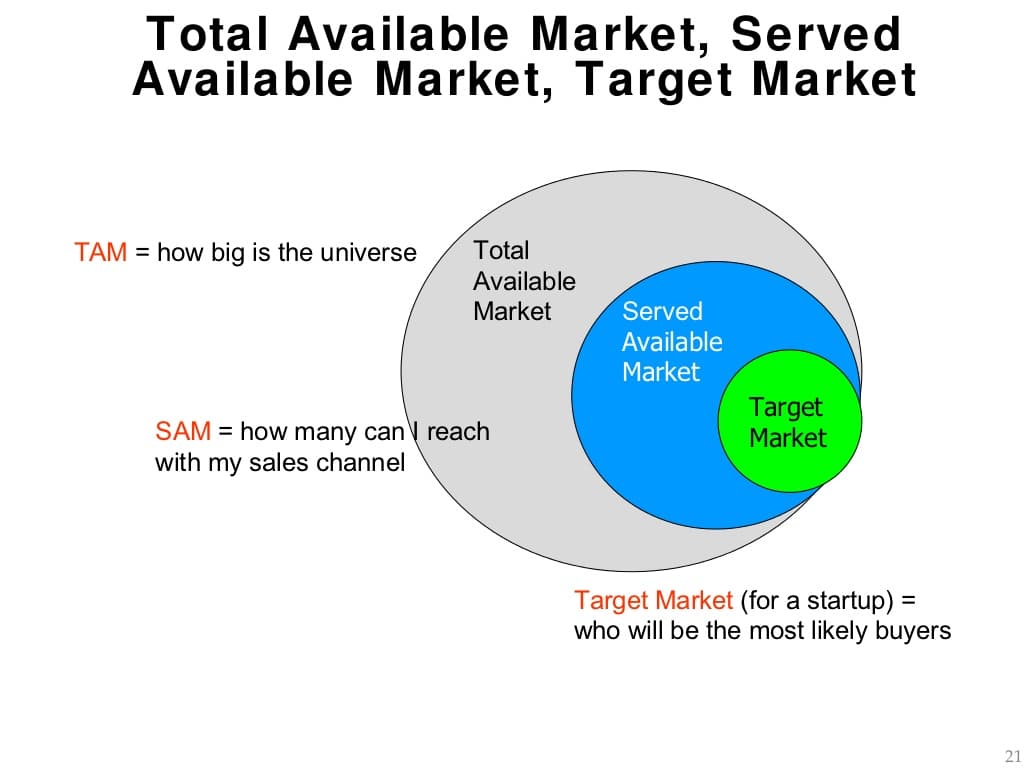
Market Sizing: TAM, SAM, and SOM for Realistic Planning
Market sizing is a funnel, not a single number. TAM is the total universe of customers, SAM is the segment you can reach, and SOM is who you can realistically win. It's crucial for business plans and investor pitches.
The Bass Diffusion Model: Innovators vs. Imitators
The Bass Diffusion Model splits product adoption into innovators who buy first and imitators who follow the crowd, creating the classic S-curve of growth. It's used to forecast sales for new products by modeling how word-of-mouth drives adoption.

Prophet: Time Series Forecasting for Seasonal Data
Prophet treats a time series as a sum of its parts: a long-term trend, seasonal cycles, and holidays. It's used for business forecasting, like predicting sales, when you have strong seasonal data. The footgun is using it for non-seasonal data.
Feature Management: Control Releases After You Deploy
A feature management platform decouples code deploys from feature releases. It centralizes control over who sees what, turning simple code toggles into a powerful system for canary releases, A/B tests, and targeted rollouts, all from a UI.

Server-Side Experimentation: Testing Your Backend Logic
Server-side experimentation renders A/B test variations on the server before sending the page. Use it for testing deep backend logic like search algorithms or to avoid the visual 'flicker' of client-side tests. The footgun: it requires developer cycles.
The Independent Growth Team Model
An independent growth team is a startup-within-a-company, given autonomy to run experiments across the funnel. Use it to break silos and accelerate learning. The main footgun is isolation, creating a rogue unit whose wins are difficult to integrate.
Experiment Knowledge Base: Don't Repeat Failed Tests
An Experiment Knowledge Base is your company's collective memory for A/B tests, centralizing hypotheses, results, and learnings. It prevents re-running old tests and surfaces past insights.

OKRs: Frame Growth Goals as Measurable Outcomes
OKRs separate your ambitious goal (Objective) from the measurable results that prove you're there (Key Results). Growth teams use this to align on what success looks like.
We are hiring for this. Every open role lists the topics its interview covers, so you can prepare for the real thing rather than guessing.
See open roles