More in Mobile Dev — page 65
WorkManager: Guaranteed, Deferrable Background Work
WorkManager is Android's smart to-do list for background tasks. It guarantees execution for deferrable work, like syncing data, even if the app closes or the device reboots. The footgun is using it for immediate tasks; it prioritizes system health over speed.
Android Foreground Services: Work the User Can See
A foreground service tells Android, "Don't kill this process; the user knows it's running." It's a contract for long-running work made visible by a persistent notification, used for music playback or navigation.
ViewModel: Surviving Android Configuration Changes
A ViewModel acts like a durable backpack for your UI's data, surviving the destruction and recreation of an Activity during a screen rotation. It holds UI state, like user input or fetched data, preventing data loss.

Android's Task and Back Stack Explained
Think of the back stack as a stack of plates (screens). A "Task" is the entire stack for a user's workflow. The system manages this stack, but you can control it for custom navigation. The biggest footgun is misusing launch modes, which breaks back button.
LiveData: Lifecycle-Aware Data Observation
LiveData is a data holder that only notifies active UI components. It connects your ViewModel's data to your UI, preventing crashes and memory leaks by respecting the Android lifecycle.
Android ViewModel: Survive Screen Rotations
A ViewModel is a lifecycle-aware data holder that separates your UI's state from its controller. It keeps data alive during configuration changes like screen rotations, preventing data loss and repeated network calls.
Android Services: Running Work Without a UI
An Android Service is a component for long-running background tasks, even when the user isn't in your app. Use it for tasks like playing audio or syncing data.
Broadcast Receiver: Responding to System-Wide Events
A Broadcast Receiver is your app's antenna for system-wide announcements. It listens for events like network changes or low battery. The main footgun is performing long tasks here; the system will kill it. Offload work to WorkManager.
Android's Activity Lifecycle: A Screen's Journey
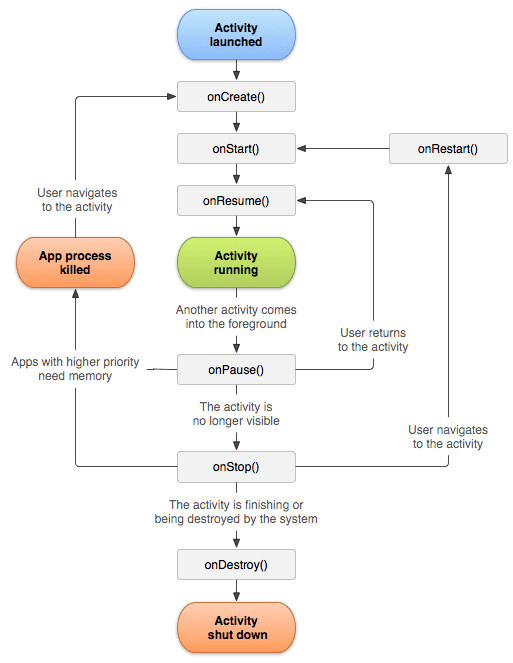
Think of an Activity's lifecycle as a stage play's script. Methods like onCreate() and onPause() are cues for your app screen to set up, appear, or hide. This manages state during interruptions like phone calls.

Android Intents: The App's Messaging System
An Intent is a message requesting an action from another app component. It's the 'glue' that lets you start new screens, launch background services, or ask other apps to open a URL.
Android Activity: A Single Screen in Your App
An Android Activity is the window for a single screen in your app where users interact with your UI. The OS manages a "back stack" of Activities; starting a new screen pushes one on, and pressing back pops it off.
R8: Shrinking and Obfuscating Android Code
R8 is a compile-time tool that shrinks and obfuscates your Android app. It removes unused code and renames classes to reduce APK size and deter reverse-engineering.
Layout Inspector: Debug Your UI Hierarchy
Layout Inspector is an X-ray for your app's UI, rendering a live 3D model of your component tree. Use it to debug visual glitches or find performance bottlenecks from deep layouts. The footgun is forgetting it has live updates to catch bugs during animations.
Android Studio Profiler: Find Your App's Bottlenecks
The Android Studio Profiler is your app's diagnostic dashboard, showing real-time CPU, memory, and network usage. Use it to hunt down UI jank, find memory leaks, and optimize battery-draining network calls.
Android Gradle Plugin (AGP): The Engine of Your Android Build
The Android Gradle Plugin (AGP) is the specialized toolkit that teaches Gradle how to build, test, and package Android apps. It's used in every project to handle tasks like compiling resources and signing your app.
Android Debug Bridge (ADB): A Developer's Remote Control
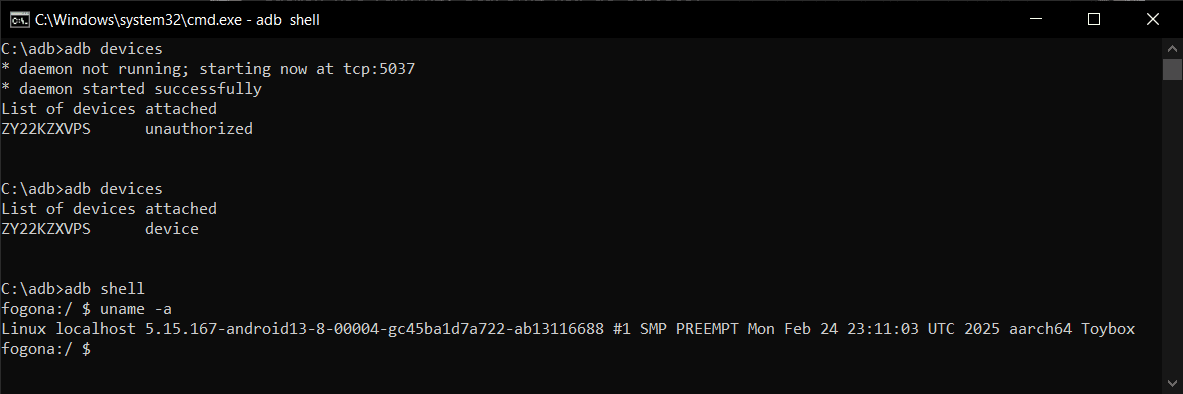
Android Debug Bridge (ADB) is a developer's universal remote for an Android device. This command-line tool lets you install apps, view logs, and run shell commands, bypassing the UI. It's used for debugging, file transfers, and automation.
Android Build Variants: One Codebase, Many Apps
Think of build variants as a matrix for your app builds, combining build types (like debug/release) with product flavors (like free/paid). This lets you manage different API endpoints or features for various versions from a single codebase.
Adding Build Dependencies with Gradle in Android
Gradle is the tool for adding build dependencies to your Android app. This allows you to integrate external libraries like Jetpack, Compose, or Google Play Services, which are essential for building modern applications.
Logcat: The `tail -f` for Android Apps
Think of Logcat as `tail -f` for your Android app, streaming system and application messages from a device in real-time. It's your primary tool for debugging crashes, tracking execution flow, and inspecting variable values as your app runs.
Android App Development: Core Languages and Tools
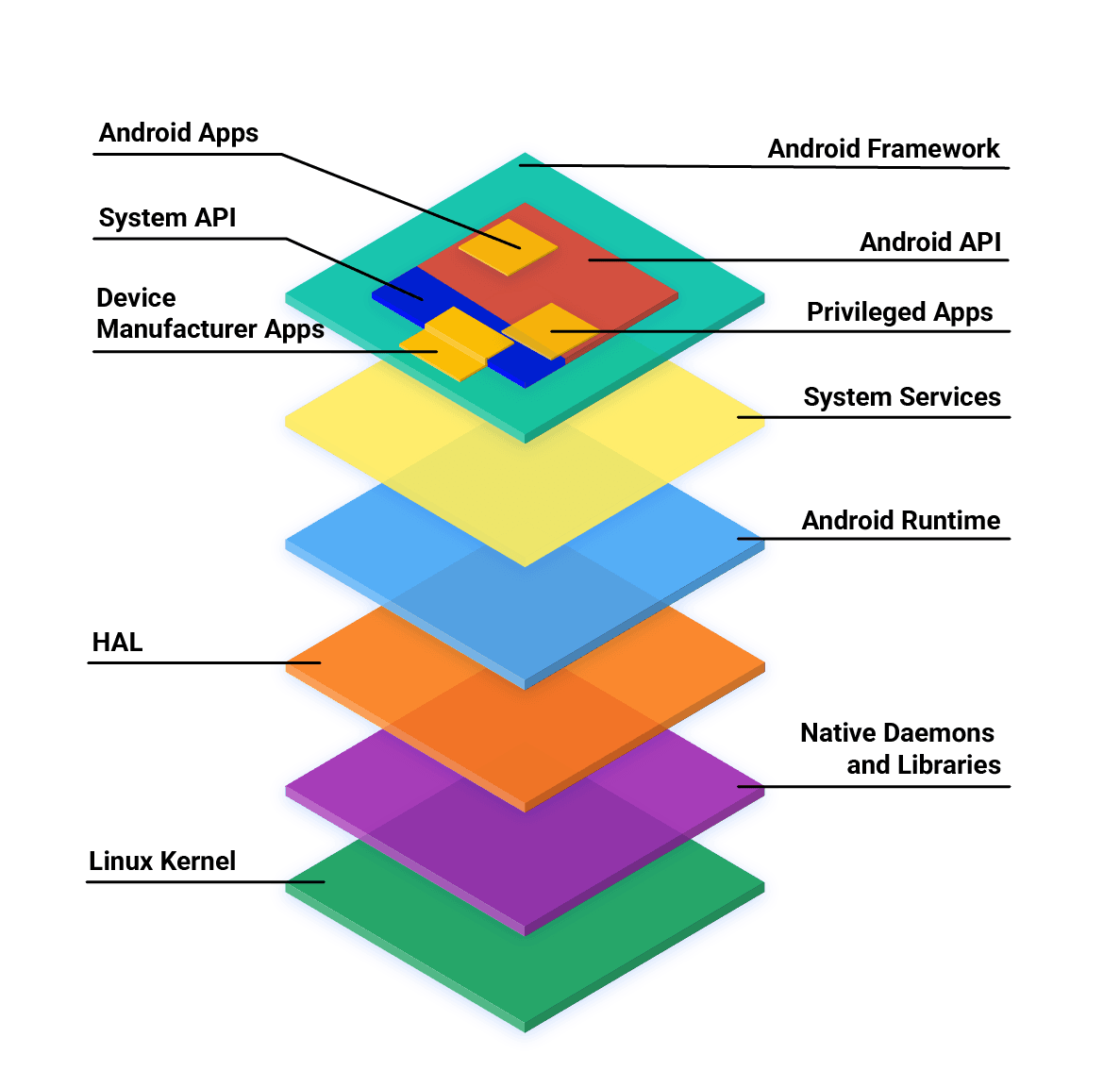
Android apps are primarily built with Kotlin, Java, and C++ using the official SDK. While other languages are possible, they often need 'glue' code to work and may have restricted API access. The main footgun is assuming any language has first-class support.