Advanced everything in Product Management, page 12
Apply Little's Law to a Kanban system to optimize flow
Tests applying queuing theory to software delivery. Define Little's Law as WIP = Throughput × Cycle Time. Explain how reducing WIP limits directly shortens cycle time for a stable throughput.
Design an Upstream Kanban for Product Ideas
Tests managing work before commitment. A good answer defines the commitment point, visualizes options on a board, and applies triage discipline to refine ideas. A red flag is describing a simple 'to-do' list without a structured filtering and decision process.

CFD shows a widening 'Testing' band. What does it mean?
This tests your ability to interpret process metrics and propose data-driven solutions. First, define the bottleneck: work enters testing faster than it leaves. Then, propose experiments to diagnose the cause before suggesting solutions.
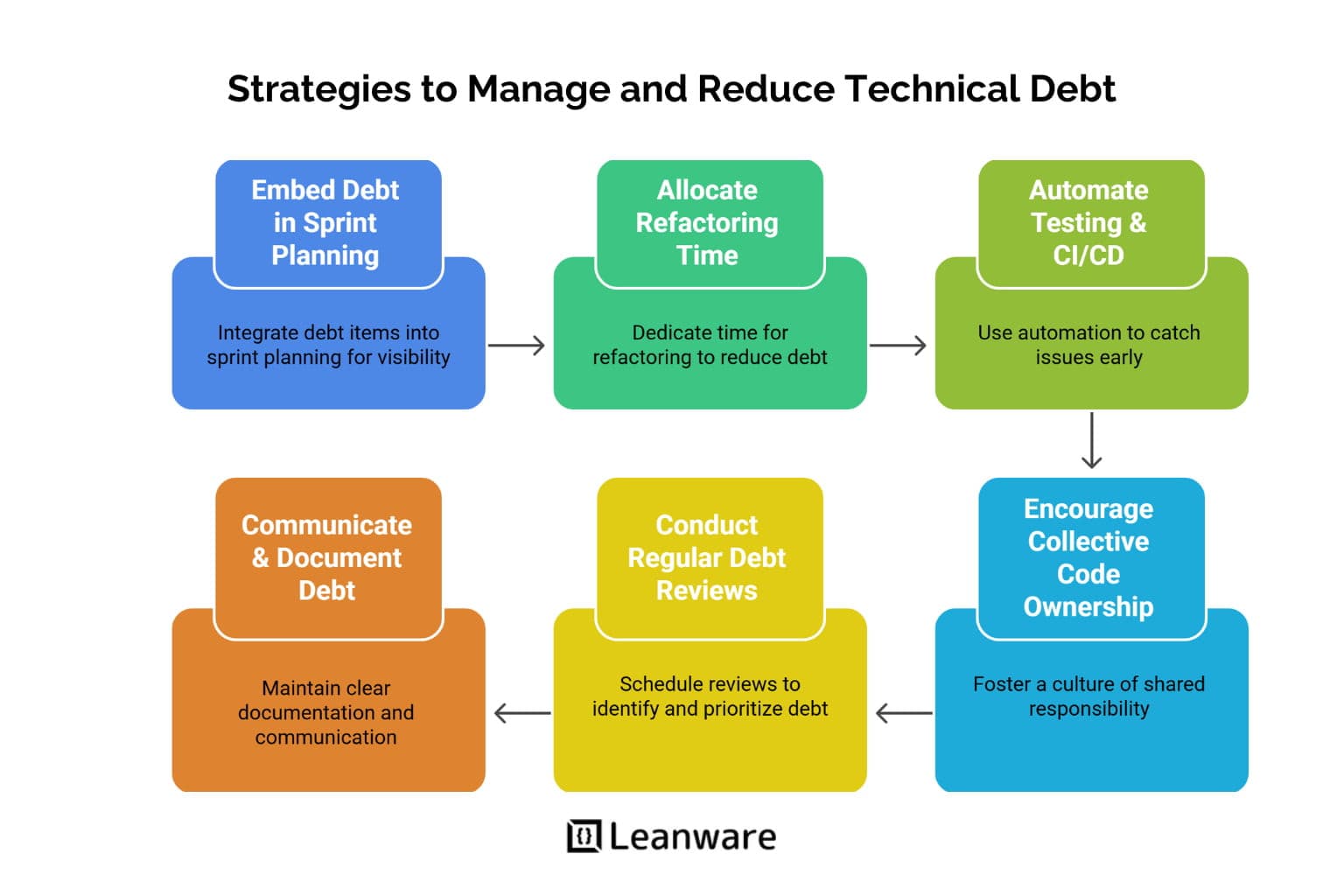
Describe your framework for managing tech debt in product discovery.
Tests your strategic view of tech debt. A good answer frames debt as a tool, describes a framework for categorizing and tracking it, and explains how to tie repayment to product milestones. A red flag is viewing all debt as bad or lacking a concrete.
Handling a High-Cost, Low-Value Feature Request
Tests your ability to influence product using data and lean principles, not just technical objections. Quantify cost in engineer-weeks, ask for value metrics, then propose cheaper experiments (e.g., a fake door test).
Shared Solution vs. Duplication for Cross-Cutting Concerns
Tests your judgment on trade-offs between duplication, coupling, and velocity. A good answer weighs the cost of premature abstraction against future refactoring, using triggers like the 'Rule of Three' and evaluating the concern's volatility.
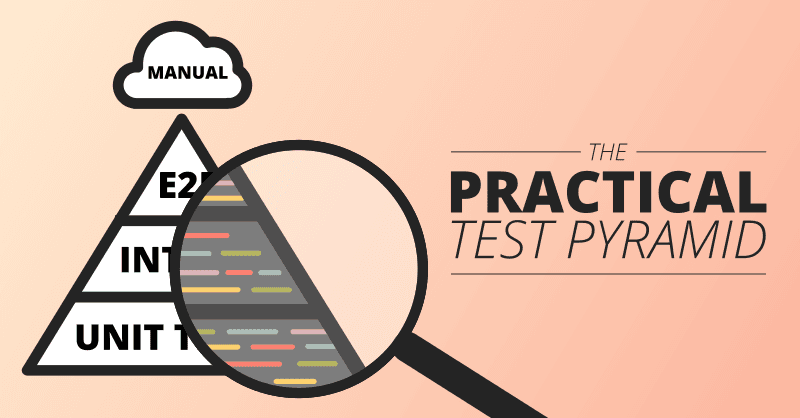
How would you refactor an inverted test pyramid?
This tests your ability to create a pragmatic, multi-sprint strategy for tech debt. A good answer includes analyzing the suite, quarantining flaky tests, enforcing new coverage standards, and incrementally refactoring. A red flag is proposing a total rewrite.

Trunk-Based Development vs. GitFlow for High-Frequency Releases
This tests your grasp of modern CI/CD trade-offs. A great answer explains how TBD's frequent merges to main, decoupled from release by feature flags, enable velocity. Then, contrast this with GitFlow's complexity.
How to Handle Poor Quality with Happy Stakeholders?
This tests your commitment to Scrum's Transparency pillar. A great answer involves being honest about unsustainable quality in the Sprint Review, proposing a plan (e.g., 20% capacity for tech debt), then using the Retrospective to fix the root cause.
Team delivers features, but stakeholders are unhappy. Why?
This tests your focus on outcomes over outputs. A strong answer diagnoses weak feedback loops, citing ineffective Sprint Reviews, a vague Product Goal, and a disconnected Product Owner.
Your team can't meet the mandated Definition of Done. What's your plan?
This tests your pragmatism and ability to manage risk. A strong answer makes the gap transparent, proposes a temporary aspirational DoD, and creates a concrete plan to close the gap. A red flag is ignoring the DoD or asking for a permanent exemption without a.
How do you fix a 200-item unmanageable product backlog?
Tests strategic thinking and Agile leadership. A strong answer proposes a collaborative workshop, re-anchors on the Product Goal, ruthlessly triages items, and establishes a new refinement process.

How do you fix a team that consistently overcommits?
This tests diagnosing systemic process failures. A great answer investigates root causes like stakeholder pressure, then proposes using historical velocity, tracking actual capacity, and improving backlog refinement.

How does a team handle strong technical disagreements?
This tests your ability to facilitate productive conflict. A great answer frames disagreement as healthy, then outlines structured techniques like timeboxing dialogue or multi-voting with reasoning.
Strategy for Changing a Stage-Gated Release Process
This tests your ability to influence organizational change. A great answer diagnoses the problem with data, understands stakeholder concerns, proposes a small pilot, and scales success. A red flag is complaining or proposing a purely technical fix.
Accountability When an Increment Fails the User Problem
This tests your understanding of shared accountability versus blame culture. A great answer frames this as a whole-team process failure and proposes specific improvements to backlog refinement and in-sprint feedback loops, rather than blaming the Product…
How do you separate the 'what' from the 'how' with a Product Owner?
This tests your ability to influence and uphold Scrum roles. A great answer focuses on understanding the PO's goal, framing your simpler solution in terms of business value (cost, risk), and collaborating on the path forward.
How do the Sprint Retrospective and Definition of Done support empiricism?
This tests connecting Scrum theory to practice. Answer by linking the Definition of Done (Transparency) to the Retrospective, where the team Inspects process effectiveness and Adapts by improving the DoD itself. Red flag: defining terms in isolation.
How does the Sprint container enable empiricism and protect developers?
Tests if you see the Sprint as a time-box for empirical control. A good answer explains how the fixed duration and Sprint Goal create a cadence for inspection and protect developers from shifting priorities.

How would you implement an Andon Cord for a software team?
Tests your understanding of CI, team ownership, and balancing speed with quality. Define a trigger (broken main build), an action (halt merges/deploys), and a team response (swarming to fix). Red flag: scheduling the fix or blaming an individual.
We are hiring for this. Every open role lists the topics its interview covers, so you can prepare for the real thing rather than guessing.
See open roles