Advanced everything in Product Management, page 16

Variable Rewards: The Engine of Habit
Variable rewards make products sticky by creating unpredictable payoffs, like a slot machine. This drives repeat actions in social feeds or games. The footgun is that overuse can feel manipulative and lead to user burnout or accusations of addictive design.
Nudge Theory: Shaping Choices Without Forcing Them
Nudge theory influences behavior by subtly redesigning the environment where choices are made. It's used in product design to guide users toward desired actions, like setting smarter defaults.
Schema-on-Read vs. Write: Pay for Structure Now or Later?
Schema-on-Write pays to structure data upfront for fast, consistent reads. Schema-on-Read defers this cost to query time for flexible ingestion. This choice underpins relational databases (write) vs. data lakes (read). The footgun is creating a data swamp.
Attribution Modeling: Who Gets Credit for a Conversion?
Attribution modeling decides how to credit different marketing channels for a conversion. It's like splitting a sales commission: does the first call, the final meeting, or everyone involved get credit? The footgun is using a simplistic model like last-touch.
Identity Resolution: Stitching User Profiles Together
Identity resolution stitches together scattered user data into a single profile. It's like a detective matching a phone number from your CRM and a cookie from your website to the same person.
RARRA Framework: Retention Over Acquisition
The RARRA framework flips the classic AARRR funnel, prioritizing Retention over Acquisition. In crowded markets, it's cheaper to keep a user than to find a new one. Use it when acquisition costs are high.
Customer Lifetime Value (LTV): A Customer's Future Net Profit
LTV predicts the total net profit a customer will generate over their entire relationship. It's used to set marketing budgets and prioritize features for high-value users.
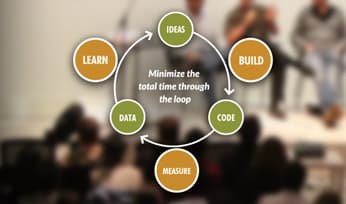
The Pivot: A Structured Change in Strategy, Not Vision
A pivot is a structured course correction, not a restart. You change strategy based on validated learning from your MVP when data shows your initial hypothesis was wrong. The footgun is pivoting on a whim instead of data, or failing to pivot despite it.
Data Ethics: Beyond 'Can We?' to 'Should We?'
Data ethics is the moral framework for handling data, especially personal data. It applies when building systems that collect user info or make automated decisions.
The Chief Data Officer: Turning Data into a Business Asset
The CDO is an executive who treats company data like a financial asset, not just a technical resource. They drive strategy in data-heavy firms, overseeing governance and analysis to create value.

User Journey Orchestration: From Map to Reality
User Journey Orchestration is the conductor for your customer's experience, ensuring every team and channel plays in harmony. It translates a static journey map into a live, consistent experience by coordinating actions across touchpoints.
Customer Resurrection Rate: Winning Back Lost Customers
Customer Resurrection Rate measures how many "lost" customers you win back. It's crucial for subscription or e-commerce businesses running re-engagement campaigns. The footgun is a vague definition of "churned"—without a clear line, the metric is meaningless.
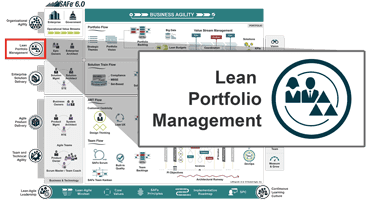
Lean Portfolio Management (LPM): Connecting Strategy to Execution
LPM connects strategy to execution by applying Lean thinking to funding and governance. It manages a portfolio of development value streams—like an e-commerce site—to ensure work aligns with business goals.
Databricks: The Unified Platform for Data and AI
Databricks unifies your data warehouse and data lake into a single 'Lakehouse' platform. It's used for building ETL pipelines, training ML models, and running BI queries on the same data. The main footgun is cost: its power can lead to surprise bills.
Apache Spark: A Unified Engine for Big Data
Think of Apache Spark as a general-purpose engine for large-scale data analytics. It lets you program an entire cluster of machines as one, automatically handling data parallelism and fault tolerance so you can focus on the analysis itself.
Snowplow: A Private Pipeline for Event Data
Think of Snowplow not as an analytics tool, but as a private pipeline you own for creating high-quality event data. It collects raw events, validates them against schemas, and loads them into your warehouse. The footgun is expecting turnkey dashboards.
Apache Kafka: A Distributed Log for Data Streams
Think of Kafka as a durable, append-only log for events, not just a temporary message queue. It excels at handling high-throughput, real-time data feeds for analytics or log aggregation. The footgun is treating it like a simple broker, leading to data loss.
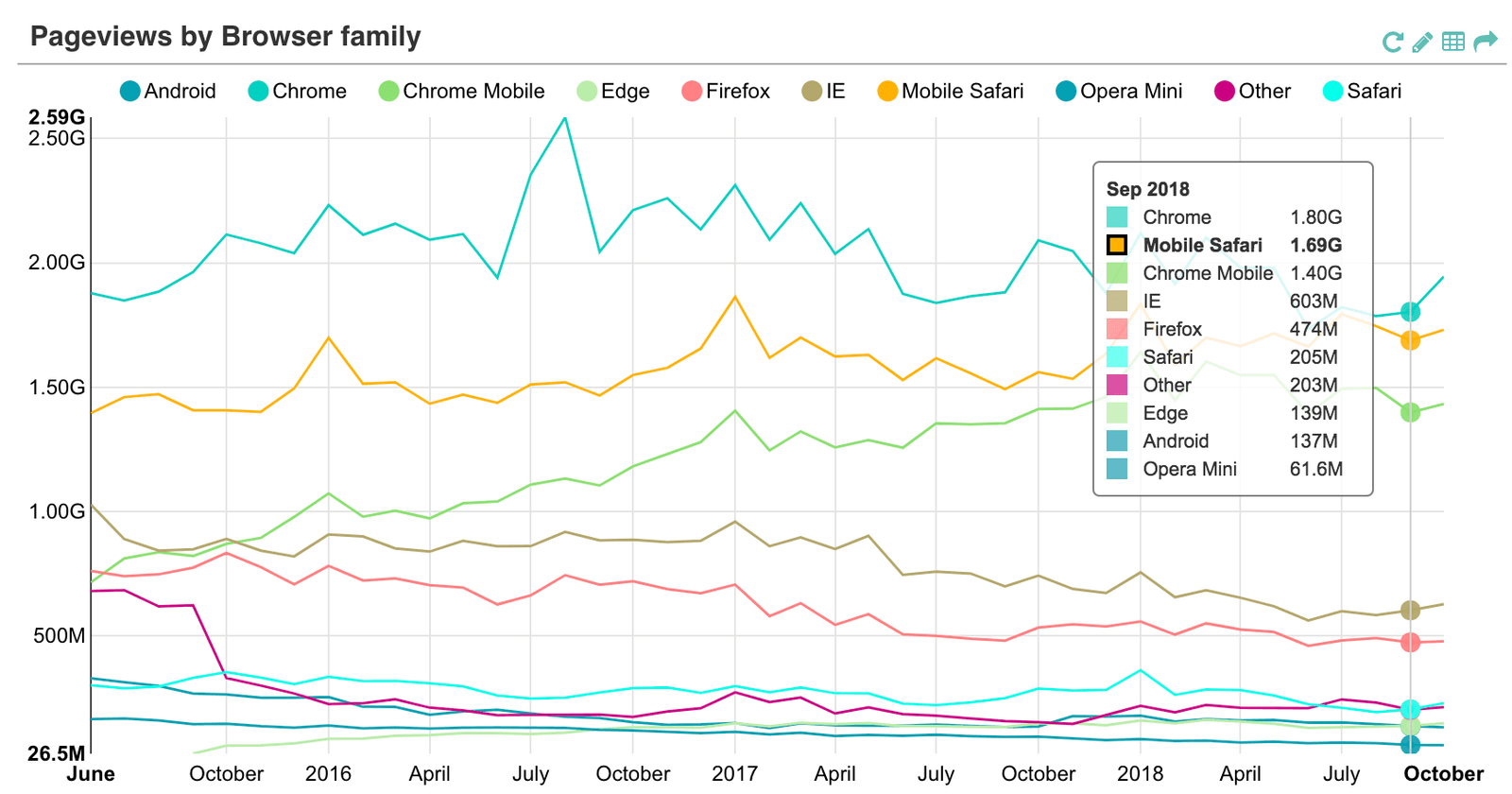
Workforce Analytics: Data-Driven People Decisions
Workforce Analytics applies systematic data analysis to people-related decisions, moving beyond gut feelings for hiring and promotions. It's used to predict turnover or measure training ROI.
Business Analytics vs. Business Intelligence
Business Analytics predicts the future and prescribes actions, while Business Intelligence describes the past. BI reports last month's sales; BA forecasts next month's demand.
Marketing Mix Modeling (MMM): Isolating Marketing's Impact on Sales
Marketing Mix Modeling (MMM) statistically links aggregate marketing efforts to sales outcomes over time. It's used to determine the ROI of past campaigns, like a TV ad blitz. The main footgun: the model is only as good as the historical data you feed it.
We are hiring for this. Every open role lists the topics its interview covers, so you can prepare for the real thing rather than guessing.
See open roles