Easy everything in Product Management, page 5
How do you handle 10% nulls in a key numerical column?
Check MCAR/MAR/MNAR; prefer median or mean imputation; add an "is_missing" indicator.

Explain data warehouse purpose and how it differs from OLTP
This tests whether you know the OLTP versus analytics split. A great answer contrasts OLTP row-level writes and normalized schemas with warehouse denormalized schemas and BI reads. A red flag is calling a warehouse just a bigger OLTP database.
Outline an automated pipeline to load a daily CSV into a database
Event trigger on drop, schema validation, idempotent load, and observability.

Differences between ETL and ELT, and when to choose each
ETL transforms before loading for structured data; ELT loads raw first and transforms in the warehouse for scale.

How do you translate increase user engagement into a technical measurement plan?
Align with PM to define engagement, map touchpoints for events, pick a north star and guardrails, then draft technical schema.
MRR: The Subscription Heartbeat
MRR is the monthly pulse of a subscription business. SaaS teams use it to forecast growth and measure churn. Counting one-time fees or annual contracts without proration inflates the metric and misleads stakeholders.
PII: Data That Identifies a Real Person
PII is any data that can identify a real person. Email addresses, IP addresses, and device IDs all count, so analytics systems must mask or hash them before storage. A leaked salt can still expose a hashed email, so do not assume hashing removes PII.
Ward Cunningham: Ship Early, But Repay Technical Debt
Ward Cunningham, who coined "technical debt," said shipping early to learn is like a loan: valuable only if you repay fast. Teams that never refactor see progress drop to zero as all effort goes to interest. Use debt to buy learning time, then refactor.
From Scrum Master to $200K AI Governance Officer
AI Governance roles hit $200K+, with Scrum Masters as top candidates under the EU AI Act. Like GDPR created the DPO, this mandates owners for AI inventory and risk, not lawyers.
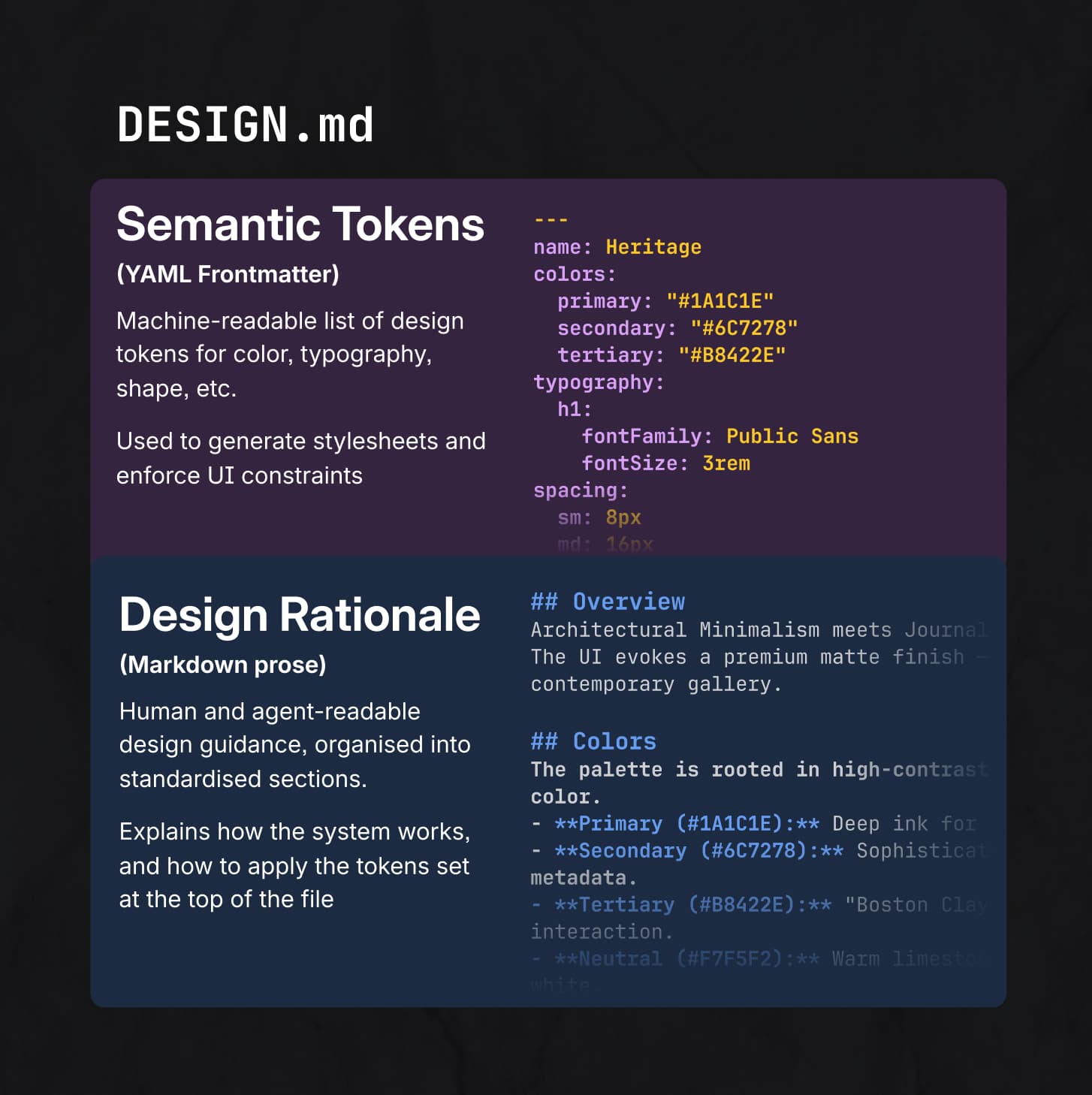
Atlassian: DESIGN.md trades depth for portability
Google's DESIGN.md cuts AI slop by giving agents portable brand context, but Atlassian found portability costs token efficiency and sophistication versus structured models. Weigh portability against depth for AI design workflows.
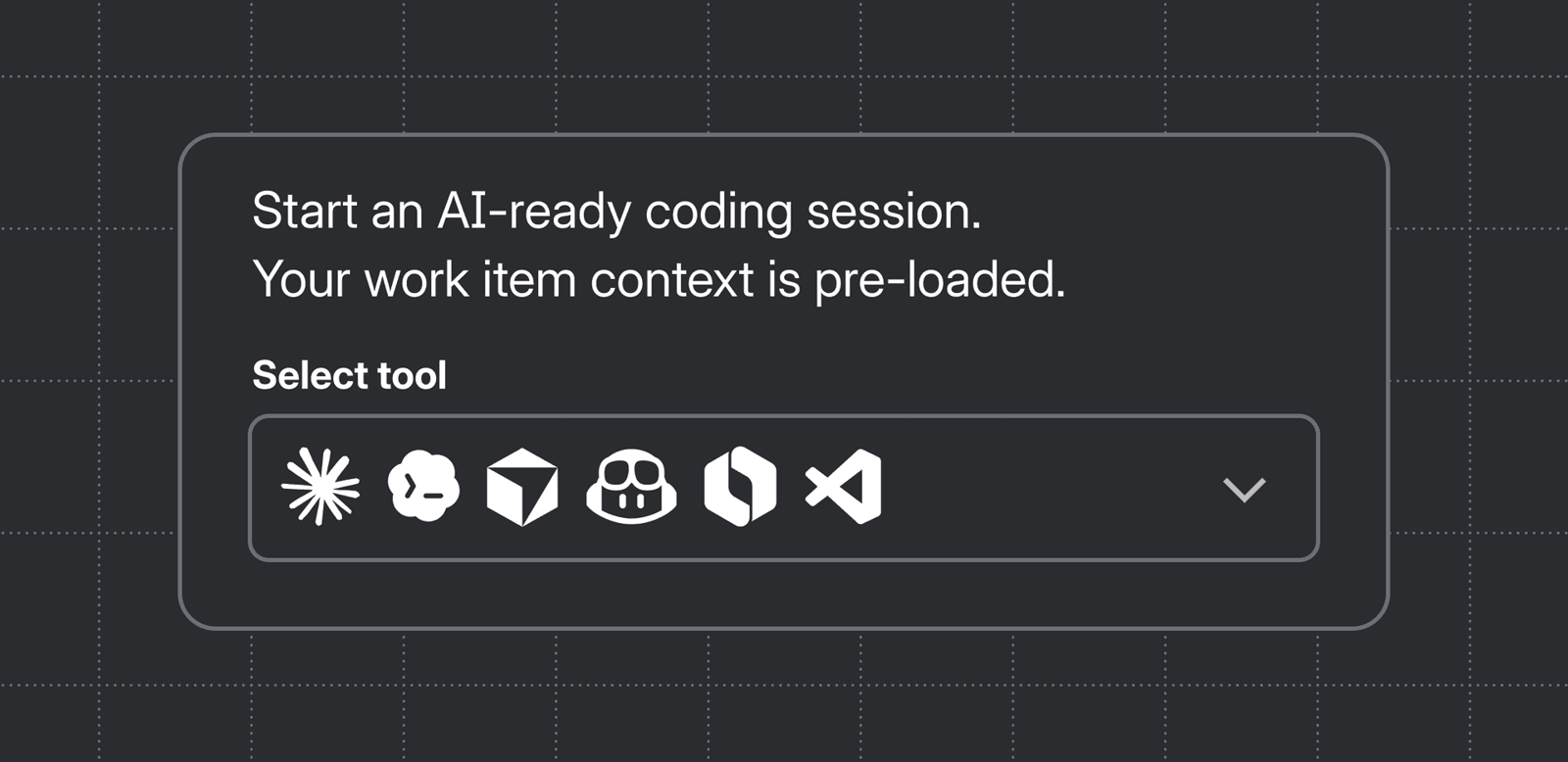
Jira adds one-click links to six AI coding agents
Jira now deep-links to six AI coding agents including Claude Code and Cursor, auto-filling work item context via Atlassian MCP to eliminate copy-paste. This removes the prompt-prep tax on every ticket for teams using Jira. Find it in the Development panel now.
Bitbucket beta adds live deployment status to PR lists
Bitbucket beta adds a Deployment column to PR lists showing live environment status per commit, cutting context switches to pipeline UIs during incidents. Existing Pipelines users get it automatically; others enable it by adding a deployment step to…
Describe the difference between feature and component teams
Tests your grasp of how team structure affects value flow. A strong answer contrasts vertical slices with component ownership, noting feature teams shorten feedback while component teams create handoffs. Red flag: treating either as universally better.
How can developers support the Product Owner in backlog refinement?
Developers surface risks, sizing, and dependencies; co-create trade-offs; and split items early.
What is a Scrum of Scrums purpose and what technical info is shared?
Multi-team sync for blockers, dependencies, API changes, integration risks; not a status meeting.

Lead Time vs Cycle Time in Kanban and measuring Cycle Time
Tests whether you distinguish customer wait time from active work. Strong answer: Lead Time is request-to-delivery with queues; Cycle Time is active start-to-finish measured from In Progress to Done. Red flag: treating them as synonyms or ignoring wait states.

Describe the initial columns for a new Kanban board and their purpose
Tests whether you understand Kanban as a flow visualization tool. A strong answer names Backlog, To Do, In Progress, and Done, explaining each as a handoff or state change. Red flag: adding too many columns upfront or conflating the board with Scrum.
Describe your role as an engineer in story refinement
Mention feasibility probes, acceptance criteria checks, and splitting for forecast clarity.

What user story details reveal the customer problem?
This tests if you see stories as problem placeholders, not specs. A strong answer asks for user role, action, 'so that' value, and confirmation criteria while demanding conversation. Red flag: listing technical tasks without mentioning the customer problem.
Describe the Red-Green-Refactor cycle in TDD. What is each step's purpose?
This checks if you understand TDD as a design discipline, not just testing. A strong answer maps Red to a failing test defining the interface, Green to minimal passing code, and Refactor to cleaning both codebases without changing behavior.
We are hiring for this. Every open role lists the topics its interview covers, so you can prepare for the real thing rather than guessing.
See open roles