Intermediate concepts in Product Strategy, page 3
Brand Architecture: Your Company's Brand Family Tree
Brand architecture is a family tree for a company's products, organizing how the main corporate brand relates to its sub-brands. It dictates whether a new product gets the parent's name or a standalone identity, maximizing value across the portfolio.
API-as-a-Product: Your API Is Your Business
Treat your API as a core product with developers as your customers, not just a technical integration. This mindset is crucial when exposing data to partners or building a developer ecosystem, like Stripe or Twilio do.
Open vs. Closed Platforms: Walled Garden or Public Park?
An open platform is a public park, inviting others to build on it; a closed one is a walled garden with total control. This choice defines growth: via a third-party ecosystem (Android) or tight integration (Apple).
SDKs: A Strategy to Make Your Platform the Default
An SDK is a strategic tool to drive adoption. By bundling compilers and frameworks, you make it easy for developers to build for your platform or integrate your service, making your ecosystem the path of least resistance.
Developer Evangelism: Building a Movement for Your Tech
Developer evangelism builds a movement for a technology, aiming to make it a standard through network effects. It's used to drive adoption for new platforms, APIs, or frameworks by inspiring developers, not just selling to them.
Managing Up: Be the Co-Pilot, Not Just a Passenger
Managing up isn't flattery; it's making your manager more effective by aligning your work with their goals. This is key for getting projects resourced and ensuring your priorities align with the organization's, preventing wasted effort.
Strategic Narrative: Your Company's Source Code for Story
A strategic narrative is the source code for your company's story, defining its unique value. It's the blueprint for marketing, sales, and internal decisions, ensuring everyone tells the same story.
Force-Field Analysis: Map the Tug-of-War of Change
Force-Field Analysis visualizes a decision by mapping 'driving forces' (pros) against 'restraining forces' (cons). Use it to gauge the viability of a change, like a new project. The main footgun is listing forces without scoring their relative strengths.
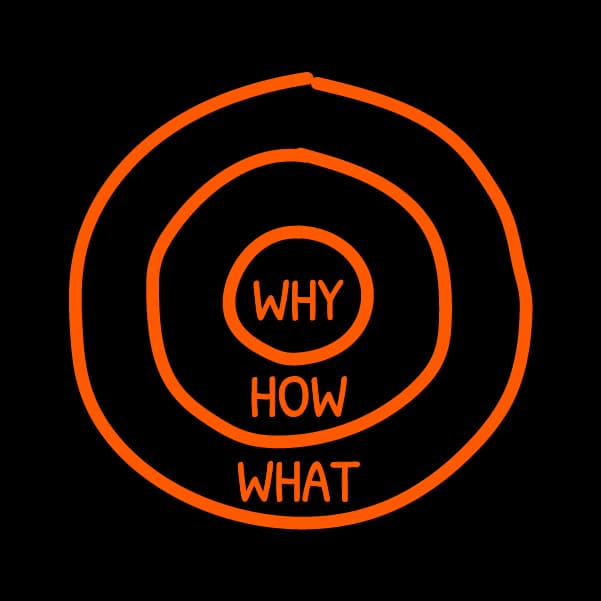
The Golden Circle: Leading with Why
The Golden Circle is a framework for inspiring action by communicating from the inside out: starting with your purpose (Why), then your process (How), and finally your product (What). It's used to build loyalty by connecting on belief, not just features.
Working Backwards: Start with the Press Release
Start product development by writing the press release for its launch. This forces you to define the customer benefit first, ensuring a new idea is customer-obsessed before you build. The footgun is starting with tech capabilities, not customer needs.

Strategic Intent: Winning with Resourcefulness, Not Resources
Strategic Intent is a long-term goal that outstrips your current resources, forcing resourcefulness. Instead of matching resources to opportunities, you set an ambitious target like 'Beat Xerox' and rally the organization to close the gap.
Brand Positioning: Owning a Spot in Your Customer's Mind
Brand positioning is about owning a specific idea in your customer's mind. It's achieved through product differentiation and advertising to make your brand the default answer for a specific need, like Volvo for 'safety.'
Category Design: Don't Compete, Create the Game
Instead of fighting for a slice of the pie, bake a new one. Category design creates a new market you can dominate, rather than competing in an existing one. The footgun is thinking a new feature makes a new category; it requires teaching the market.

Repositioning: Changing Minds, Not Just Products
Repositioning changes how customers perceive your existing product. Netflix did this by moving from DVDs to streaming to meet new demand. Don't mistake it for rebranding—repositioning alters the core promise, not just the logo or colors.

MRR and ARR: Two Lenses on Recurring Revenue
MRR and ARR are two lenses on recurring revenue. MRR tracks short-term movement and immediate performance while ARR shows long-term scale. SaaS companies need both to guide present tactics and future strategy.
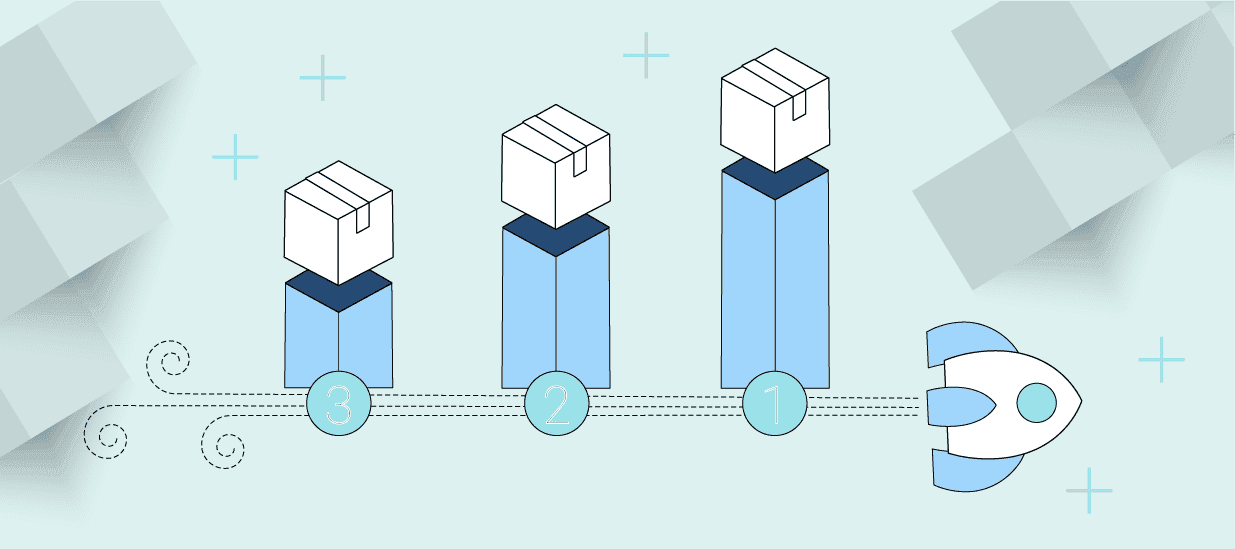
Product Launch Tiers: Right-Sizing Your Go-to-Market
Product launch tiers match marketing effort to business impact. Instead of a one-size-fits-all approach, you classify releases to allocate resources rationally, preventing burnout on minor updates while focusing big efforts on major products.
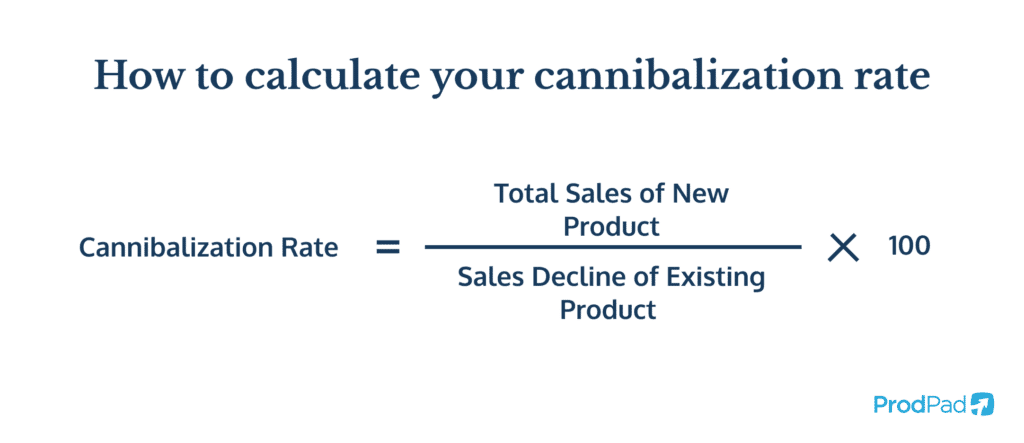
Product Cannibalization: Eat Your Own Lunch
Product cannibalization means competing with yourself before someone else does. Apple famously did this with the iPhone, knowing it would kill the iPod. The footgun is accidentally shrinking your total market share instead of growing it with new offerings.

Platform Governance: Enabling Scale Without Chaos
Platform governance provides guardrails for internal tools, letting teams build safely and quickly. It's crucial when a platform's growth creates security risks or duplicated effort. The footgun is reactive governance—only making rules after an incident.

Influence Without Authority: Earn Your Influence Capital
Influence isn't rank; it's 'influence capital' you earn. Product managers use this to lead teams they don't manage by building expertise, strong relationships, and compelling data. The footgun is trying to make big asks before you've made these deposits.

Objection Handling: Turning Customer 'No's into Trust
Objection handling turns customer feedback into trust, even when you say 'no.' Instead of just rejecting a feature request, you explain the 'why' behind your roadmap.
We are hiring for this. Every open role lists the topics its interview covers, so you can prepare for the real thing rather than guessing.
See open roles