Interview questions in Product Strategy, page 3
What architecture makes secure real-time collaboration a defensible moat?
Tests turning marketing claims into technical differentiation. Covers defense in depth, zero-trust networking, client E2EE with user keys, verified components, and compliance automation. Red flag: generic tool lists without explaining replication difficulty.

How would you pivot system architecture from enterprise to startups?
Mapping a business pivot to tech tradeoffs across systems, features, and ops. Cut bloat for speed; shift to self-serve multi-tenant SaaS; automate ops and swap high-touch support for self-serve signup. Calling it simple scale-down not value-chain redesign.
Find a novel value proposition from a recent technology breakthrough
Tests translating a technical breakthrough into product strategy: name an underserved market, quantify economic value, map a minimal build. Pick one tech, define pricing power, list 3-4 parts. Red flag: solution seeking a problem or feature lists sans value.

Top three technical risks when becoming a platform and API mitigations
Tests platform architecture and API governance maturity. A strong answer cites backward compatibility, multi-tenant security, and domain leakage; it proposes versioning, OAuth with rate limits, and facade APIs.
How would you design the backend check for a report quota?
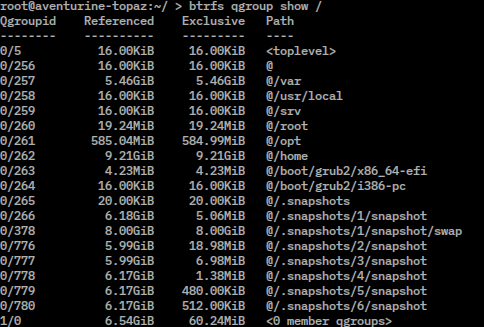
Tests reliable quota enforcement without race conditions. A strong answer uses atomic counts or DB constraints, validates at the service layer, and surfaces a clear 4xx. A red flag is a non-atomic SELECT-then-INSERT pattern.
Move from flat to usage-based billing
Reliable usage capture, idempotent aggregation into billing periods, and reconciliation with the provider.

Design a pricing-page A/B test for $10 vs $15 plans
This tests sticky bucketing and revenue attribution. Hash user IDs to lock variants, persist assignments server-side, and join experiment logs to subscriptions via shared IDs. Red flag: client-side randomization that flickers or breaks billing context.

How would you detect and mitigate free trial abuse?
Device fingerprinting, rate limits, progressive verification, and behavioral scoring; weigh precision vs false positives and effort.

Propose a scalable entitlement architecture for complex rules
Tests separation of hot-path reads from async policy work. Great answers: edge-cache plan tokens; stream quota usage async; isolate rules in a microservice. Red flag: doing a DB lookup or sync quota check per request.

Design real-time usage-based billing data architecture
Tests whether you can guarantee exactly-once billing at scale without data loss. Strong answers cover idempotent Kafka ingestion, ClickHouse aggregation, reconciliation, and audit trails. Red flag: claiming exactly-once instead of at-least-once dedup.

Architect dynamic region-specific pricing for a global SaaS product
One SKU with currency-specific rate charges; jurisdiction tax engine; immutable checkout snapshot; amendment for moves.

KPIs for a new registration form and technical instrumentation
Tests pairing outcomes with instrumentation. Pick a conversion KPI and a field-level friction KPI, then explain client-side events correlated with server logs while scrubbing PII. Red flag: relying solely on frontend analytics or vanity metrics.

Describe leading vs lagging indicators with technical performance examples.
Tests your ability to distinguish predictors from outcomes. A strong answer defines causality, offers a leading metric like cache hit rate, and a lagging metric like P99 latency. Red flag: offering only business metrics or confusing activity with outcomes.
User session length dropped 15%: what technical issues and data to check?
Tests structured incident response. Outline: check exposure traffic, deployments, platform splits, and instrumentation bugs like dupes or bots. Red flag: blaming users before ruling out data quality or deployment changes.

Monitor p99 improvement from 500ms to 200ms and side effects
Tests systems-thinking on tail-latency instrumentation and metric tradeoffs. Strong answers cover histogram metrics, distributed tracing for fan-out bottlenecks, and guarding error rates, cost.
Design quantifiable proxy metrics for a microservices velocity claim
Use DORA velocity and stability metrics plus leading indicators like build and PR cycle time.

How do outcome-oriented goals change implementation and testing?
Tests whether you engineer for measurable behavioral change, not just shipping. Strong answers cover baselining, telemetry, small experiments, and user-data validation. Red flag: treating the goal as a PM issue and focusing only on on-time delivery.
What questions assess strategic alignment before estimating effort?
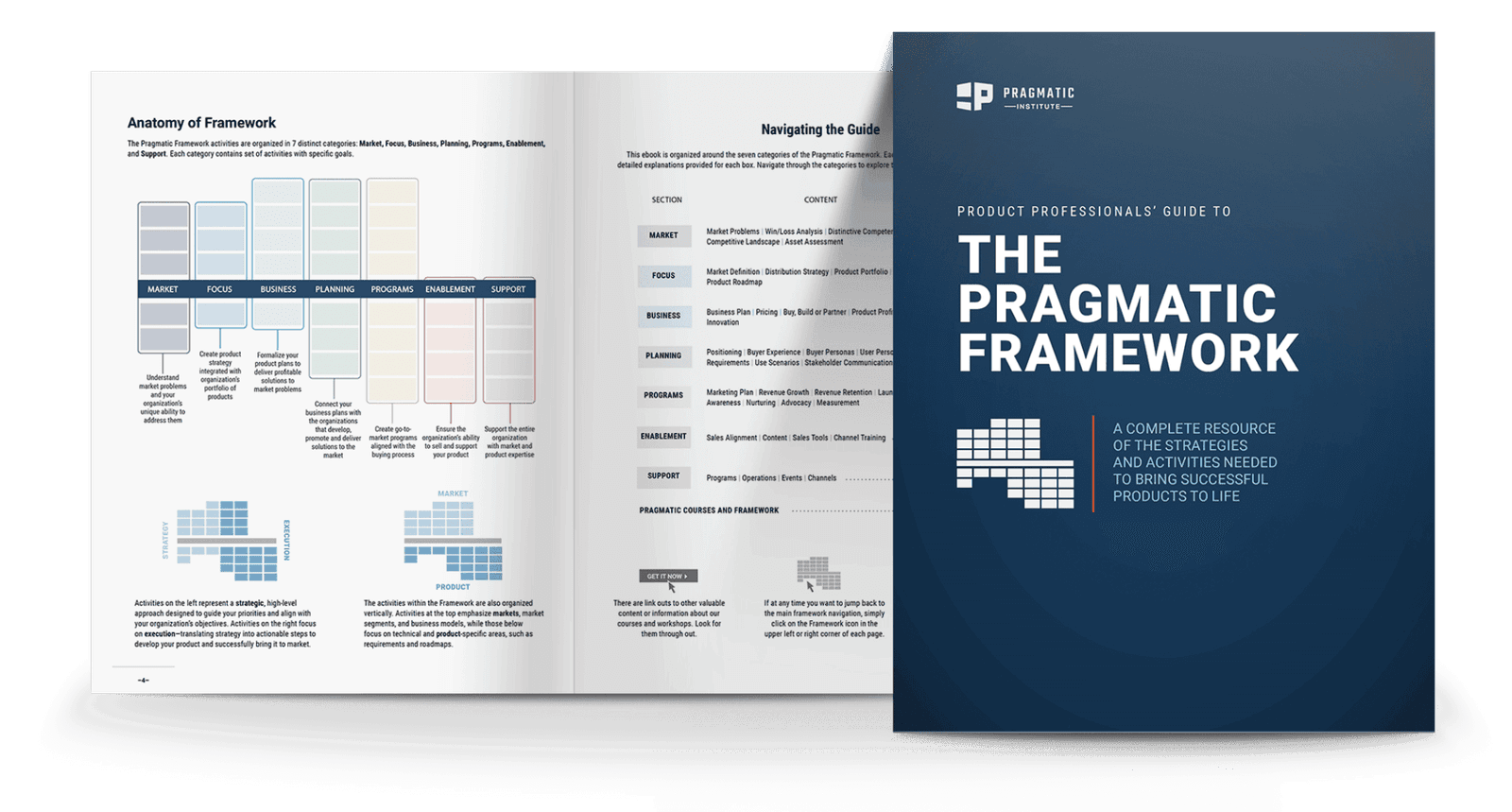
This tests whether you validate business context before scoping. Ask: what market problem is solved, which company competency or asset is leveraged, and what metric proves success. Red flag: estimating before confirming strategic fit.
What artifacts and processes mitigate cross-team API dependency risks?
This tests de-risking external API dependencies via contracts. A strong answer proposes an OpenAPI spec as the source of truth, mock servers for parallel work, and automated CI validation.
Your feature launches but engagement doesn't move. What's engineering's role in diagnosis?
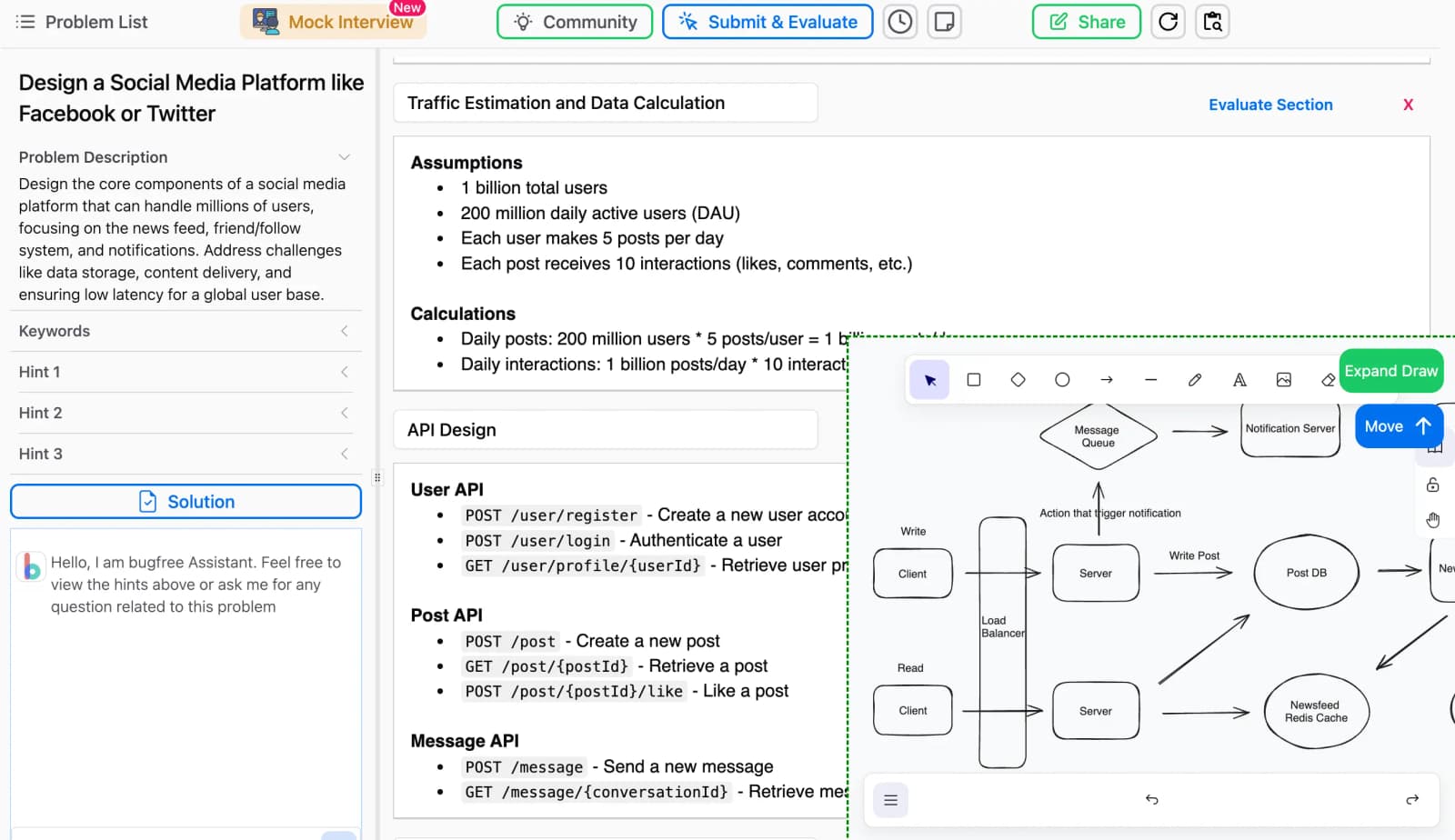
Validate data, segment users, test tech and behavioral hypotheses, propose experiments.
We are hiring for this. Every open role lists the topics its interview covers, so you can prepare for the real thing rather than guessing.
See open roles