Intermediate interview questions in Python & FastAPI, page 3
How can you provide a Swagger UI example for a Pydantic body?
Tests whether you know FastAPI generates OpenAPI schema from Pydantic metadata. A strong answer names Field(example=...) for per-field samples and Body(example=...) for the full payload.
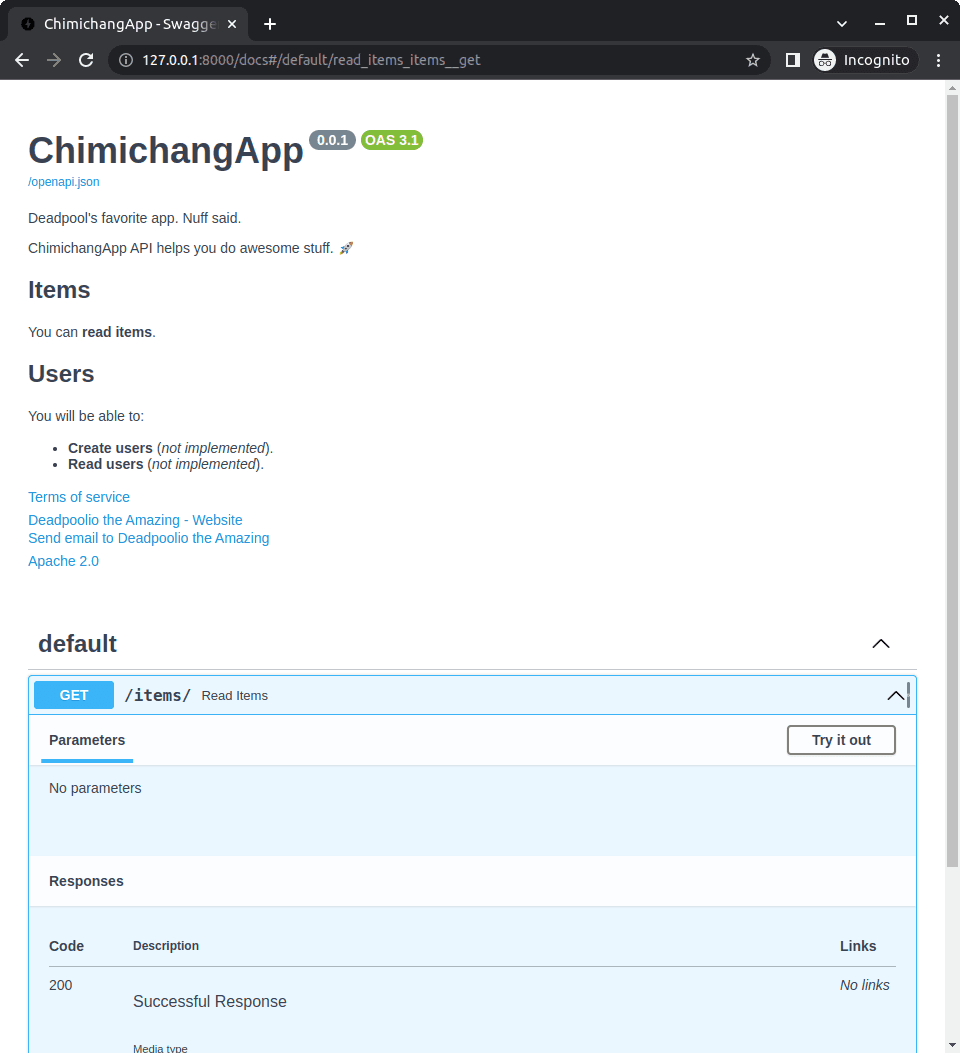
How do you group FastAPI endpoints under tags and describe groups?
Tests FastAPI's two-step tag system: decorators label routes, and openapi_tags supplies group descriptions. Good answers cover tagging paths with tags=["users"], then defining metadata in FastAPI(openapi_tags=[...]) with matching names.
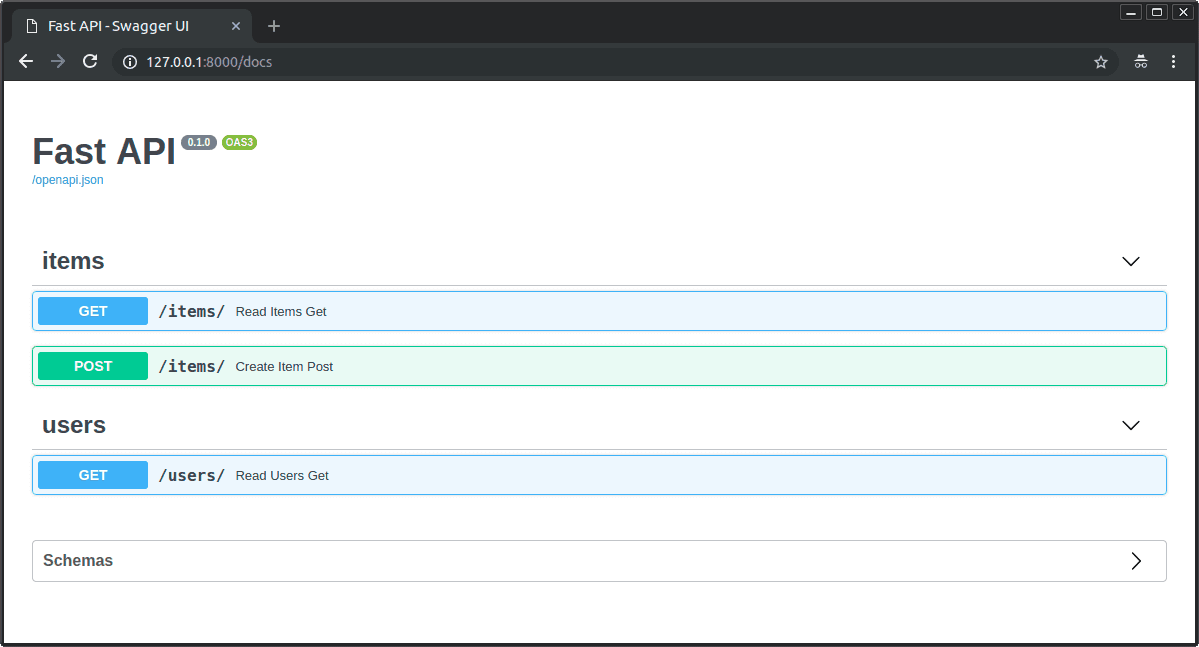
How do you mark a FastAPI endpoint as deprecated?
This tests decorator-level OpenAPI configuration in FastAPI. Pass deprecated=True to the path operation decorator, e.g. @app.get("/old", deprecated=True), so Swagger UI shows a strikethrough. Red flag: burying a deprecation warning in the docstring instead.
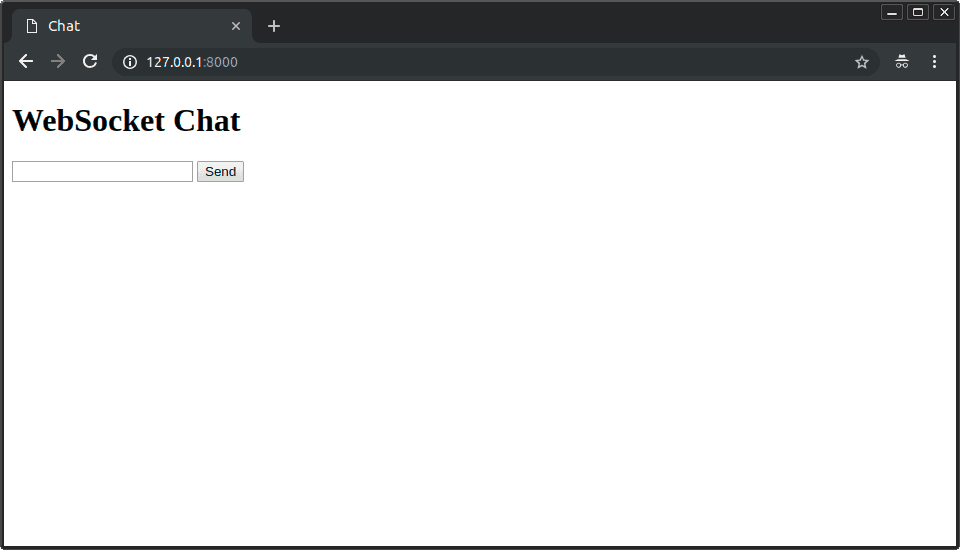
How do you handle a WebSocket client disconnect in FastAPI?
Cite installing websockets, Handling disconnections and multiple clients pattern, and Depends.
Use startup events to initialize a database pool and inject it
This tests FastAPI lifespan hooks and dependency injection for shared state. A strong answer creates the pool in an async startup handler, stores it on app.state, and accesses it via a dependency in routes. A red flag is creating a fresh pool per request.
How do you authenticate a FastAPI WebSocket connection?
This tests WebSocket limits and FastAPI dependency injection. Pass the JWT via query parameter or cookie at handshake, validate it with Depends, and reject with HTTP 403 or 1008 close.
WebSocket connection manager and broadcast
A manager class holding a list of active connections, connect accepts and appends, disconnect removes, broadcast iterates sending to each, all wrapped in try/finally to handle disconnects.
What are the key responsibilities for Nginx versus Uvicorn?
This tests the reverse-proxy versus ASGI-server boundary. A strong answer gives Nginx TLS termination, static files, buffering, and load balancing, while Uvicorn runs the Python app and async workers.
How do you manage configuration and secrets for a containerized FastAPI app?
Tests 12-factor config separation and Docker secret hygiene. A strong answer uses pydantic-settings with runtime env vars, lru_cache, and keeps .env out of the image. Red flag: baking credentials into Dockerfile layers or committing .env files.
Explain multi-stage Docker builds for Python and builder vs runtime
Tests separation of build-time and runtime concerns. A strong answer contrasts the builder stage (gcc, headers, wheels) with the runtime stage (slim base, copied artifacts, no compiler). Red flag: citing size alone while ignoring security and caching.
Secure refresh token flow for access renewal
Short-lived access token, longer-lived refresh token stored server-side, a refresh endpoint that validates and rotates the refresh token issuing a new pair.
Testing a DB endpoint via dependency override
Use app.dependency_overrides to swap the real get_db for one yielding a test database session, run against a disposable SQLite or test Postgres, and assert through TestClient.
Pydantic BaseModel vs dataclasses in FastAPI
BaseModel validates and coerces data at runtime, parses and serializes JSON, integrates with OpenAPI schema generation, and supports rich validators; dataclasses only store data with no validation.
Mapping camelCase JSON to snake_case Pydantic fields
Set an alias_generator (to_camel) plus populate_by_name in model config, accept aliases on input, and serialize with by_alias=True so responses come out camelCase.
Pydantic computed fields in response models
A @computed_field decorated property is excluded from input and validation but included in serialization and the OpenAPI schema, ideal for values like full_name derived from other fields.
Streaming large file downloads efficiently
Use StreamingResponse with a generator that yields chunks (or FileResponse for an on-disk file), set media_type and a Content-Disposition header, so memory stays flat regardless of file size.
Feature-based vs layer-based project structure
Layer-based groups by technical role and is simple early but scatters a feature across folders; feature-based groups by domain, improving cohesion and ownership at the cost of some duplication and…
selectinload vs joinedload for eager loading
Use eager loading options to avoid lazy N+1; joinedload uses a single JOIN (good for many-to-one) but can fan out rows on collections; selectinload issues a second IN query (better for one-to-many).
OAuth2 social login with your own JWT
A login endpoint redirects to the provider with a state param, a callback exchanges the code for the provider token, you fetch the user profile, upsert the local user, then mint your own JWT.
Reading the full response body in middleware
Responses stream as multiple body messages and headers go first, so you cannot add a header after seeing the body; you must buffer all chunks, compute the hash, set the header, then resend.
We are hiring for this. Every open role lists the topics its interview covers, so you can prepare for the real thing rather than guessing.
See open roles